

Updated on: 2026-04-24
If you are choosing a Scotch for a young palate, age matters as much as style. A 12 year old Scotch often provides a softer balance of oak, sweetness, and gentle spirit character. It can be a suitable reference point for learning whisky flavours, especially when served responsibly. This guide explains how to assess quality, how to serve it well, and how to avoid common buying mistakes.
Table of Contents
1. Step-by-Step Guide
2. Tips
3. FAQs
4. Wrap-up & Final Thoughts
5. About the Author
1. Step-by-Step Guide
Selecting a 12 year old Scotch is easier when you follow a clear process. Age is only one signal, so it is best to combine it with cask influence, producer consistency, and service method. The steps below help you make a well-informed choice for taste education and enjoyable sipping.
-
Confirm the style you want. A 12 year old Scotch can express itself differently depending on whether it is single malt, blended Scotch, or a regional style. Single malt Scotch whisky usually highlights fruit, grainy sweetness, and oak texture in a more focused way.
-
Check the maturation cask type and expected flavour direction. Oak ageing shapes vanilla, toffee, spice, dried fruit, and nut notes. If you prefer sweetness and richer fruit character, look for releases associated with sherry or wine cask profiles. If you prefer drier, more classic oak expression, bourbon cask styles often provide a cleaner vanilla and cereal backbone.
-
Evaluate strength and how it will taste when diluted. Many 12 year old Scotch bottlings are bottled at 40% alcohol by volume, which typically delivers a balanced texture without excessive heat. If you plan to taste slowly, you can use a small amount of water to open aromatics and soften edges.
-
Assess the producer and quality signals. Look for reputations for consistent fermentation, distillation, and maturation management. Established producers often deliver a more reliable flavour structure. For whisky education, consistency helps you recognise what the casks and age add to the spirit.
-
Decide how you will serve it. Flavour perception changes with temperature and glassware. A small glass, light swirling, and a short rest after pouring can improve aroma clarity. Serve neat if the spirit feels approachable; consider a few drops of water if aromas appear muted.
-
Compare against related ranges. Use category comparisons to learn. Browse single malt Scotch whisky selections and compare how different regions and cask programmes influence flavour. You can also compare with other whiskies to understand sweetness, smoke, and oak impact.
For an example of a classic approach, consider exploring single malt Scotch options. If you want a broader view, you can start with single malt Scotch whisky and compare styles by maturation and profile.

Illustrated glass, aroma swirls, and oak cask tones
When you taste, focus on structure rather than labels alone. Notice how the nose develops first, then how sweetness and oak texture appear on the palate. With age, the spirit often feels smoother and more integrated, but cask selection remains the main driver of specific flavours.
-
Set tasting expectations for a 12 year old Scotch. At this age, many bottlings show matured oak influence while retaining a youthful freshness. Typical impressions include vanilla, soft spice, toasted oak, gentle fruit, and a rounded finish. If you detect harshness, it may be more about strength, temperature, or glass shape than about age.
-
Look for credible finishing notes. Some whiskies are finished in secondary casks, which can lift fruit character or add deeper sweetness. If you enjoy dried fruits, spices, or richer sweetness, explore cask programmes by browsing sherry cask whisky or wine cask whisky.
-
Choose a bottle that fits your occasion. If your goal is learning, select a reliable classic release and take notes. If your goal is entertaining, select a profile that is approachable to a range of tastes. Either way, a 12 year old Scotch can serve as a reference point because it is often matured long enough to deliver harmony.
-
Embed responsible tasting into your routine. Whisky is an alcoholic product, and the right approach is to enjoy it responsibly. Taste in small measures, avoid combining with unsafe behaviour, and keep serving and storage compliant with local regulations. If you are planning a gift, ensure the recipient is of legal drinking age.
Product recommendation, embedded for reference:
Dalmore 12 Year Old Highland Single Malt Scotch Whisky - 70cl 40%, 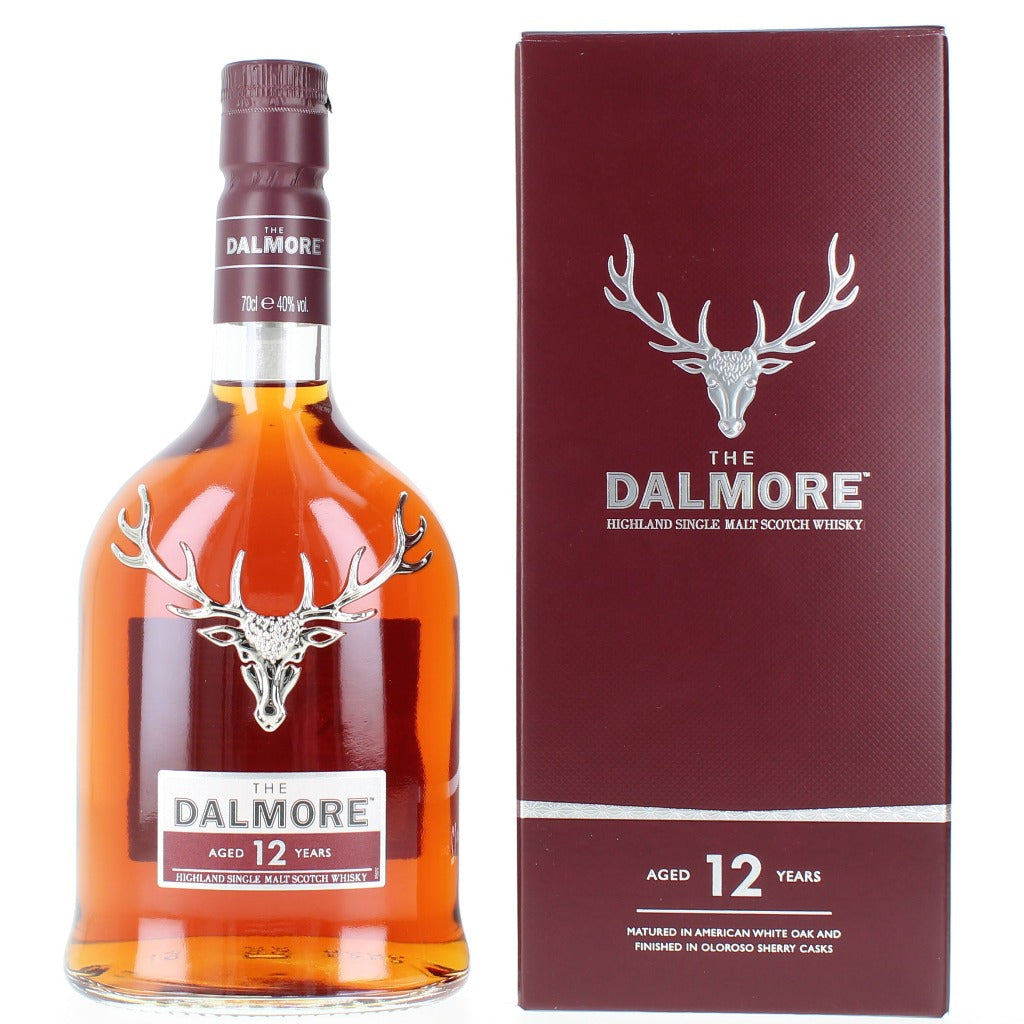 Dalmore 12-year-old-70cl-40
2. Tips
- Use water strategically. Add a few drops at a time. This can lift aroma and improve balance without losing the whisky character.
- Keep notes simple. Record aroma categories such as vanilla, dried fruit, spice, and oak, then record palate impressions such as sweetness level and finish length.
- Compare one variable at a time. If you switch from bourbon cask to sherry cask, do not also change glassware and temperature. One change makes learning clearer.
- Prefer approachable bottlings. A 12 year old Scotch at standard strength often suits casual tasting because the flavours are usually less aggressive than higher cask strength examples.
- Explore broader whisky styles. If you want context, compare Scotch with other categories. A useful starting point is our finest scotch to understand how different profiles compare in sweetness, oak, and texture.
- Do not ignore glassware. A tulip-shaped or small nosing glass concentrates aromatics. That helps you identify oak-driven sweetness and spice.
3. FAQs
What does a 12 year old Scotch typically taste like?
A 12 year old Scotch often tastes balanced, with oak integration and a smoother mouthfeel. Many expressions show vanilla, soft spice, toasted oak, and mild dried fruit. The exact profile depends on whether the whisky is finished in different casks or matured primarily in one oak type.
Is 12 years considered a good age for learning whisky flavours?
It can be a strong starting point. A matured whisky at around this age usually provides clear oak influence and a more coherent flavour structure than younger spirit-led releases. This makes it easier to identify sweetness, spice, and finish character without the whisky being overly raw.
How should I serve it to get the best aromas?
Serve in a suitable small glass, allow a short rest after pouring, and swirl gently. Taste neat if it feels approachable, and then consider a few drops of water to open aromatics. Keep temperature consistent so that sweetness and spice do not fluctuate between pours.
What is the difference between single malt and blended Scotch at similar ages?
Single malt Scotch typically concentrates flavours from one distillery and one set of production choices. Blended Scotch can combine multiple malts and sometimes grain whisky, which may create a smoother, more uniform flavour. Even at similar ages, the blend structure can affect how fruit notes, oak texture, and finish develop.

Simple tasting cards, aroma labels, and small water drops
4. Wrap-up & Final Thoughts
A 12 year old Scotch is often a practical choice for those who want a balanced whisky experience with recognisable oak integration. Age can guide expectations, but the maturation cask and serving method determine the final outcome. If you focus on aroma first, then texture and finish, you will learn faster and enjoy more in each tasting.
If you want to build confidence, compare styles across your collection. Start with established Scotch categories such as single malt Scotch whisky, then explore cask-driven groups like sherry cask whisky. This approach helps you understand what you enjoy and why.
About the Author
The content is written by a member of the team at The Really Good Whisky Company , with expertise in whisky education and consumer guidance. The focus is on clear tasting concepts, dependable purchasing logic, and responsible enjoyment. If you use this guide to compare styles and take simple notes, you will be able to select a 12 year old Scotch that fits your preferences with greater confidence. Thank you for reading, and enjoy your next guided tasting.
Disclaimer: This article is for general information and does not provide medical, legal, or financial advice. All whisky is an alcoholic product, and you should consume it responsibly and only where permitted by law and applicable age requirements. Flavour experiences vary by individual preference and serving conditions.
0 comments