

Updated on: 6th March 2026
Highland single malt Scotch represents one of the world's most prestigious whisky categories, renowned for its diverse flavour profiles and exceptional craftsmanship. This comprehensive guide explores what distinguishes these whiskies, how to select the perfect bottle for your palate, and the key characteristics that define this celebrated spirit. Whether you are a seasoned collector or a curious newcomer, understanding the nuances of Highland expressions will enhance your appreciation and purchasing decisions.
Table of Contents
- What Defines Highland Single Malt Scotch?
- Key Characteristics and Flavour Profiles
- The Buyer's Checklist
- Step-by-Step Selection Guide
- Frequently Asked Questions
- Closing Thoughts and Next Steps
What Defines Highland Single Malt Scotch?
Highland single malt Scotch whisky originates from Scotland's largest whisky-producing region, a vast geographical area that stretches across the northern mainland. The Highland region encompasses distilleries from the central belt near Stirling to the remote reaches of the north coast, creating remarkable diversity within this classification. Unlike their Islay cousins, which are celebrated for peat-heavy characteristics, Highland expressions showcase a broader spectrum of flavours shaped by local terroir, water sources, and production methodologies.
The term "single malt" signifies that the whisky comes from a single distillery and is produced entirely from malted barley. This distinction ensures authenticity and allows consumers to experience the unique character of each producer's craft. The Highland region's status as Scotland's largest whisky-producing area means it encompasses numerous distilleries, each contributing its own signature style to the category.
Geographically, the Highlands occupy a region bounded by the Midland Valley to the south and extending northward to John o' Groats. This expanse creates microclimates and geological variations that profoundly influence the final spirit. Distilleries positioned near coastal areas may experience different environmental pressures compared to inland operations, affecting everything from fermentation rates to maturation characteristics.

Rolling moorlands and misty mountains defining the Highland whisky landscape.
Key Characteristics and Flavour Profiles
Highland single malt Scotch exhibits remarkable versatility in flavour, ranging from fruity and floral notes to rich, spiced, and occasionally peaty expressions. This diversity stems from the region's size and the individual approaches taken by different distilleries. Northern Highland distilleries often produce lighter, more delicate spirits, whilst central and southern producers may craft fuller-bodied expressions with greater complexity.
Common tasting notes include orchard fruits such as apple and pear, heather honey, vanilla, oak spice, and subtle smokiness. Many Highland expressions develop honey and caramel notes during maturation in ex-bourbon or sherry casks. The water sources feeding these distilleries—often sourced from peaty moorlands—introduce mineral qualities that enhance complexity without overwhelming the spirit with aggressive peat character.
Maturation plays a crucial role in shaping the final profile. Younger expressions, typically aged 10 to 15 years, showcase vibrant fruit characteristics and the distillery's core identity. Older releases reveal layered complexity, deeper colour, and integrated wood influence. Cask type significantly impacts flavour: ex-bourbon casks impart vanilla and wood spice, whilst sherry casks contribute rich, dried fruit, and chocolate notes.
The water composition in Highland distilleries contributes distinctive mineral qualities. Soft water, common in many Highland locations, produces lighter spirits, whilst harder water sources may yield fuller bodies and greater flavour intensity. Fermentation duration also varies between distilleries, with longer fermentations producing fruity esters that define many celebrated Highland expressions.
The Buyer's Checklist
Before purchasing Highland single malt Scotch, consider these essential factors to ensure your selection aligns with your preferences and budget:
- Determine your preferred flavour profile: fruity and floral, rich and spiced, or lightly peated
- Establish a budget range, recognising that age statements and rarity influence pricing
- Identify preferred cask types and their influence on flavour characteristics
- Research distillery reputation and consistency in quality and style
- Consider bottle age statements and understand their significance for maturation
- Check alcohol by volume (ABV) levels, as higher percentages often indicate fuller flavour expression
- Review tasting notes from reliable sources to gauge compatibility with your palate
- Verify authenticity through official retailers and proper bottle labelling
- Explore independent bottlings if you seek unique variations and expressions
- Assess value for money by comparing quality metrics against price points

Copper pot stills and wooden casks representing traditional Highland distillation methods.
Step-by-Step Selection Guide
Step One: Define Your Flavour Preferences
Begin by identifying which flavour categories appeal to you. Highland expressions span a broad spectrum, so determining whether you favour bright, fruity notes or deeper, richer profiles will narrow your options considerably. Consider exploring single malt Scotch whisky collections to discover diverse expressions that suit your taste.
Step Two: Research Specific Distilleries
Once you understand your preferences, research distilleries known for matching styles. Northern Highland distilleries like Talisker produce distinctive expressions, whilst Speyside producers within the Highland region craft elegant, fruity spirits. Reading reviews and tasting notes from established critics provides valuable insight into each distillery's character.
Step Three: Examine Age Statements and Cask Types
Age statements indicate minimum maturation periods, offering guidance on flavour complexity. Younger expressions deliver fresh, vibrant characteristics, whilst older releases reveal integrated oak and greater sophistication. Investigate cask types used in maturation—sherry cask whisky offers different qualities compared to bourbon barrel aged spirits.
Step Four: Compare Pricing and Value
Evaluate bottles within your budget, comparing age statements, cask quality, and bottling quantity. Limited editions command premium prices, but standard releases offer excellent value. Consider whether independent bottlings provide superior value compared to official distillery releases.
Step Five: Purchase from Reputable Retailers
Buy exclusively from established, authorised retailers ensuring authenticity and proper storage conditions. Reputable merchants like our finest Scotch collection guarantee genuine products and knowledgeable customer service. Avoid suspiciously discounted bottles from questionable sources.
Step Six: Sample Before Committing to Large Purchases
If possible, sample expressions at whisky bars or tastings before investing in full bottles. This approach prevents costly mistakes and helps refine your palate. Many retailers offer sample sets allowing exploration of multiple expressions affordably.
Step Seven: Document Your Discoveries
Maintain tasting notes recording bottles sampled, flavour observations, and satisfaction levels. This practice helps identify patterns in your preferences and guides future purchases. Over time, you will develop confidence in selecting expressions aligned with your established taste profile.
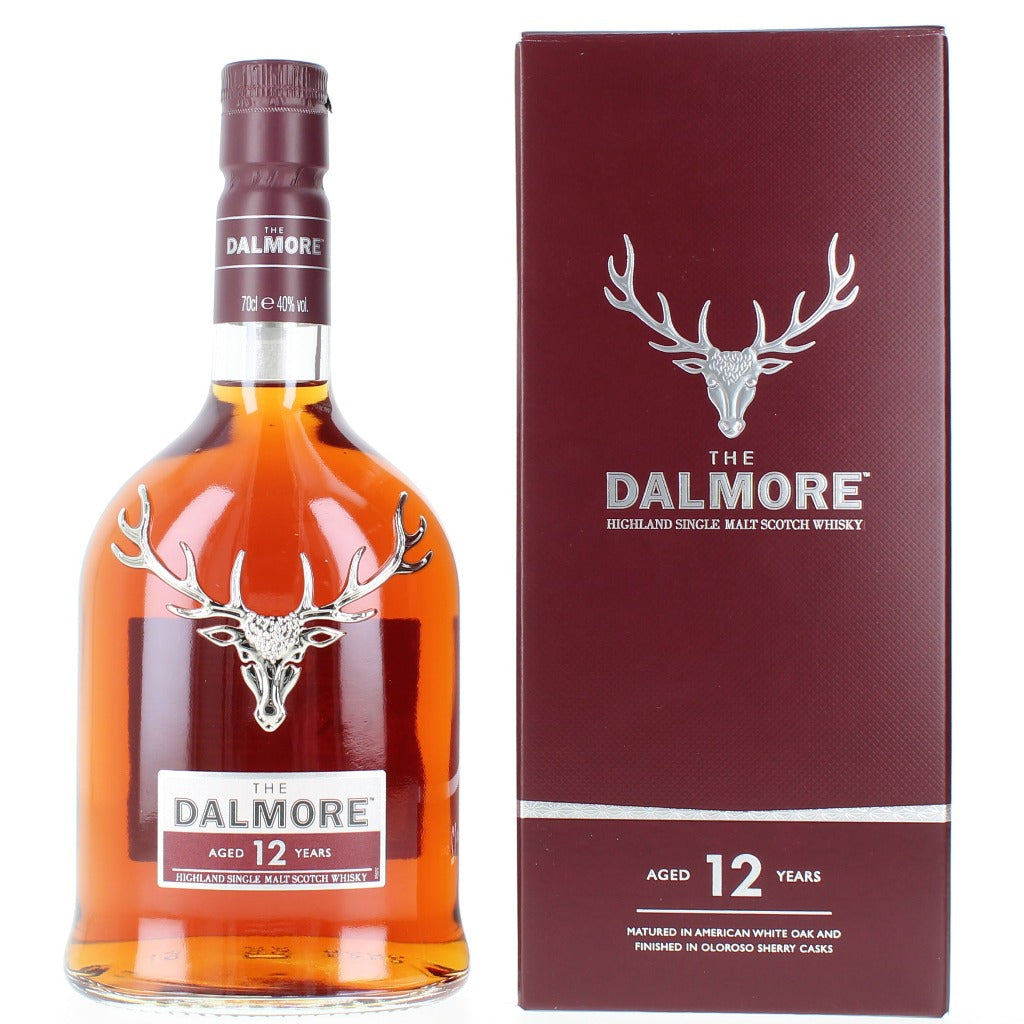
Featured Product: Dalmore 12 Year Old Highland Single Malt Scotch Whisky
Dalmore 12 Year Old exemplifies classic Highland single malt Scotch craftsmanship, delivering a harmonious balance of fruit, spice, and subtle wood influence. This expression has earned widespread recognition for its approachable character and consistent quality, making it an excellent choice for both established enthusiasts and those beginning their Highland whisky journey.
Frequently Asked Questions
What distinguishes Highland single malt Scotch from other Scottish whisky regions?
The Highland region's geographical expanse creates remarkable diversity in flavour profiles, ranging from delicate and fruity to rich and complex. Unlike Islay whiskies, which typically emphasise peat and smokiness, Highland expressions showcase broader flavour spectrums influenced by local water sources, climate variations, and individual distillery techniques. The region's size encompasses numerous distinct microclimates, allowing for diverse production approaches that other, smaller regions cannot replicate.
How should Highland single malt Scotch be tasted and appreciated?
Begin by observing the spirit's colour, which indicates maturation duration and cask type. Nose the whisky gently, allowing volatile compounds to dissipate before deeper inhalation. Add a small amount of water, which opens additional flavour compounds and reduces alcohol burn. Sip slowly, allowing the liquid to coat your palate and reveal layered complexity. Take notes on initial impressions, mid-palate characteristics, and finish. Repeat this process regularly to develop tasting confidence and refine your palate.
What is the significance of age statements on Highland whisky bottles?
Age statements indicate the minimum number of years the whisky matured in oak, with the youngest spirit in the blend determining the declared age. Older expressions typically exhibit greater complexity, deeper colour, and more integrated wood influence, though age alone does not guarantee superior quality. Younger, well-crafted expressions can offer exceptional value and vibrant character. The relationship between age, price, and personal preference varies considerably, so older does not automatically mean better for every drinker.
Are independent bottlings of Highland single malt superior to official distillery releases?
Independent bottlers source casks from distilleries and bottle the spirit under their own labels, often offering higher alcohol percentages and unique cask selections unavailable from official producers. Independent bottlings can provide excellent value and distinctive expressions, though quality varies between producers. Official distillery releases ensure consistency and carry the full backing of the producing distillery. Both categories merit exploration, as excellence exists within each approach.
How should Highland single malt Scotch be stored to preserve quality?
Store bottles upright in cool, dark conditions, away from direct sunlight and temperature fluctuations. Ideal storage temperature ranges between 10 and 15 degrees Celsius. Keep bottles sealed and away from light sources, which can degrade colour and flavour compounds over extended periods. Properly stored bottles maintain their character indefinitely, though opened bottles gradually oxidise and may fade in complexity if left unsealed for prolonged periods.
Closing Thoughts and Next Steps
Highland single malt Scotch offers remarkable diversity, accessibility, and quality across numerous price points, making it an ideal category for exploration and collection building. Whether you favour delicate, fruity expressions or richer, more complex spirits, the Highland region's extensive producer base ensures options aligned with every preference and budget.
Begin your journey by identifying your flavour preferences and exploring entry-level expressions from established producers. Progress gradually to older vintages and specialised bottlings as your palate develops and confidence increases. Consider joining whisky clubs or attending tastings to expand your knowledge and discover new favourites within the expansive Highland category.
For those seeking curated selections and expert guidance, LaKeith Noirée Trading Company offers perspectives on exceptional spirits across diverse categories. However, for dedicated Highland single malt Scotch expertise and comprehensive collections, explore our world whiskies selections to discover your next favourite bottle today.
About the Author
The Really Good Whisky Company specialises in curating exceptional spirits from Scotland, Ireland, Japan, America, and beyond. With extensive expertise in Highland single malt Scotch and whisky classification, our team provides knowledgeable guidance to collectors and enthusiasts at all experience levels. We remain committed to sourcing authentic, high-quality bottles and delivering authoritative insights that enhance whisky appreciation and purchasing confidence. Explore our collections today and discover expressions that resonate with your discerning palate.
0 comments