

Updated on: 2026-06-12
A smooth Scotch whisky offers a cleaner drinking experience, with a well-balanced flow from aroma to finish.
In this guide, you will learn what “smooth” means in practical tasting terms and how production choices shape that character.
You will also find serving, glassware, and food pairing recommendations that support a softer, more rounded profile.
Finally, you will see how to evaluate quality signals such as cask influence, age statements, and bottling strength.
Table of Contents
1. What Smooth Scotch Whisky Means
2. Key Factors That Create Smoothness
3. Product Spotlight: A Reliable Choice for Balance
6. How to Serve for Maximum Smoothness
7. Food Pairings That Support a Soft Finish
8. FAQ Section
10. About the Author
What Smooth Scotch Whisky Means
“Smooth” is often used as a shorthand for how easily a whisky drinks. In practice, smooth Scotch whisky typically feels calm rather than sharp. It tends to show less harsh heat, a controlled spirit bite, and a finish that does not feel overly aggressive.
When tasting, you can look for a steady progression: aroma, palate, and finish should align. Instead of dominating flavours arriving in sudden spikes, the experience usually moves in a gentle arc. That does not mean the whisky lacks character. It means the character is more integrated.
For many drinkers, smoothness also relates to texture. A whisky that feels rounded, even slightly silky, can appear more refined at the point of swallowing. This perception is influenced by distillation, maturation, and the level of filtration. Even when two whiskies share similar notes, one can feel smoother due to how those notes are balanced.
If you are exploring Scotch for the first time or returning after a break, smooth Scotch whisky can be an accessible route. You may also find it pairs well with relaxed social settings because it is less likely to overwhelm the palate. For a broader view of styles, you can browse single malt Scotch whiskies and compare how smoothness is expressed across different regions.
Key Factors That Create Smoothness
Smoothness is rarely a single feature. It usually emerges when several production choices work together. The most important factors include cask selection, maturation depth, distillation quality, and bottling decisions such as strength and finishing approach.
Cask influence and maturation time
Cask type shapes flavour, tannin expression, and how quickly new wood character fades. Some casks deliver more sweetness and softer spice, which can make the whisky feel gentler. Longer maturation often allows harsher notes to integrate. However, time alone is not a guarantee. A whisky can be old and still feel angular if other variables are not aligned.
Distillation and fermentation quality
Distillation refines flavour by separating the spirit fractions. A well-run distillation can reduce unwanted sharpness while preserving aromatic richness. Fermentation also matters because it influences esters, which contribute to fruit and floral impressions. Those impressions can steer a whisky away from a purely drying profile.
Filtration and clarity
Filtration does not remove character, but it can influence mouthfeel. Many bottlers use chill filtration or other methods to improve clarity. Some drinkers prefer lightly processed whiskies, while others value consistency. The practical point is that a smooth whisky often presents in a clean, coherent way.
Bottling strength and water addition
Higher strengths can feel hotter, even when the whisky is high quality. Many people use a small amount of water to reduce perceived alcohol burn and lift aromas. The right dilution can make a whisky feel more “open” and less aggressive on the palate.
To explore different maturation and strength approaches, you may find value in browsing our finest Scotch and selecting by style rather than by reputation alone.

Diagram of smoothness: aroma, palate, finish alignment
Product Spotlight: A Reliable Choice for Balance
To show how smooth Scotch whisky can be built through classic Highland balance, consider the following bottling. A whisky such as this can appeal to readers who want a controlled profile that supports a softer finish without losing depth.
Dalmore 12 Year Old Highland Single Malt Scotch Whisky - 70cl 40%
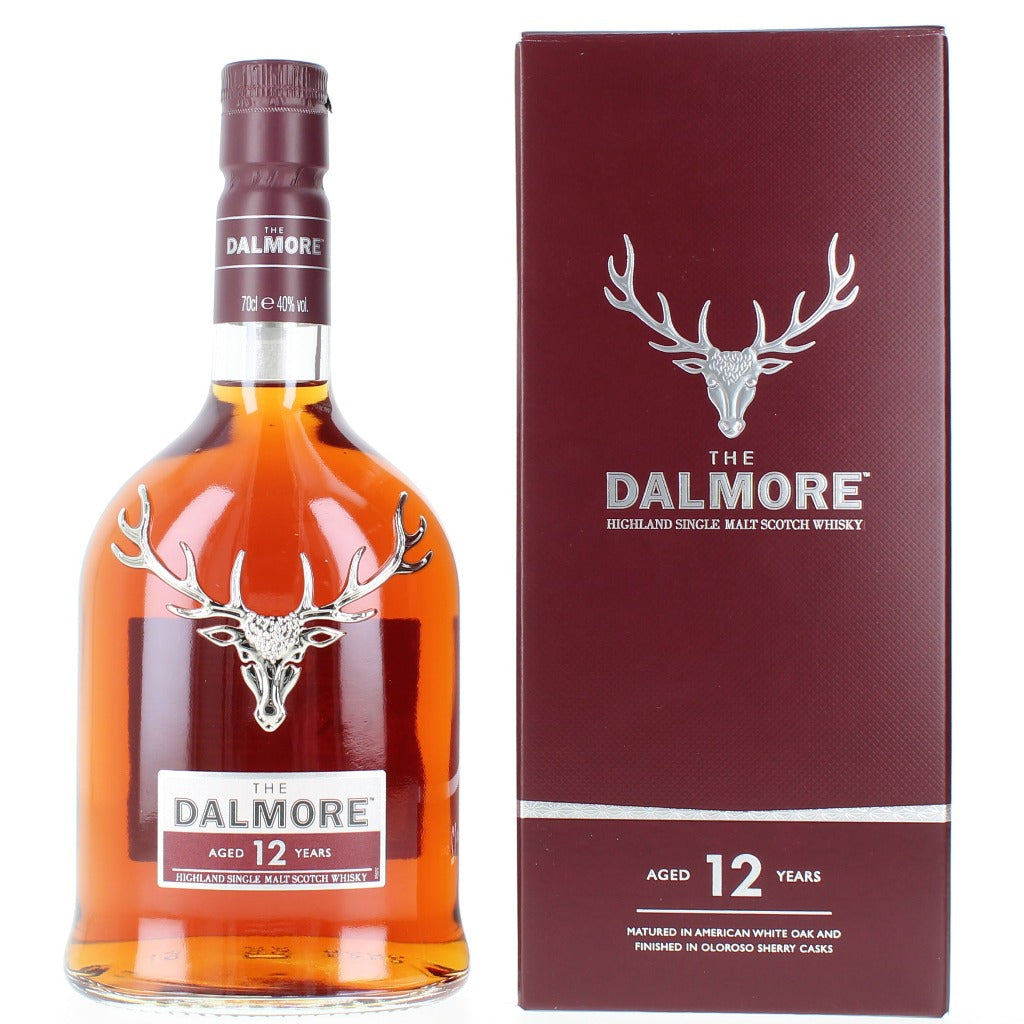
From a tasting perspective, a 12-year expression at 40% can be especially approachable. A moderate strength can reduce early alcohol impact, allowing spice, fruit, and oak notes to show themselves in a calm order. This is one reason many drinkers describe certain mature single malts as smooth: the whisky tends to deliver flavours in a controlled sequence.
When you evaluate a bottle for smoothness, treat aroma as your first filter. If the nose is inviting and coherent, the palate often follows. If the nose feels sharp or solvent-like, the finish is more likely to feel aggressive. For additional exploration of independent bottlings and alternative expressions, you can also browse independent bottlings to compare how different finishing and maturation choices alter texture.
Did You Know?
- Smoothness is frequently linked to integration, not the absence of flavour.
- Oak sweetness can make whisky feel rounder by softening perceived dryness.
- Small water additions can change aroma intensity and mouthfeel.
- Glass shape influences oxygen exposure and can reduce harshness in the first sip.
- Different Scotch styles express smoothness in different ways, even when they share similar notes.
Pros & Cons Analysis
| Aspect | Why It Matters | Potential Benefit or Trade-off |
|---|---|---|
| Perceived ease of drinking | Alcohol burn and harsh edges can reduce comfort. | Benefit: more approachable profile for a wider audience. |
| Aroma clarity | Integrated whiskies often show balanced aromatics. | Benefit: easier to identify sweetness, spice, and fruit. |
| Cask-led character | Casks shape sweetness, spice, and tannin texture. | Trade-off: heavy cask influence can reduce subtlety if overdone. |
| Dilution sensitivity | Some whiskies open up with water; others change shape too quickly. | Trade-off: excessive water can mute aroma and length. |
| Value expectations | Smoothness can be associated with accessibility rather than exclusivity. | Benefit: often friendly for gifting and everyday enjoyment. |
How to Serve for Maximum Smoothness
Serving method has a measurable effect on how a whisky feels. If you want the most rounded experience, you should approach service with intention rather than habit.
Choose a suitable glass
A glencairn-style glass or a similar tulip shape helps concentrate aromatics. Concentration can support a smoother first impression by guiding fragrance towards the nose rather than releasing it too aggressively.
Control temperature
Serve at a comfortable room temperature. Very cold whisky can suppress aroma and exaggerate alcohol bite. Conversely, excessive warmth can heighten solvent-like notes. A neutral serving temperature usually supports balanced perception.
Use water with restraint
If you add water, do it incrementally. A small amount can soften the palate and lift fruit and spice. You should stop when the whisky shows clarity. The aim is harmony, not dilution.
Take short, structured sips
After pouring, allow the whisky to sit for a few moments. Then take a small sip, hold briefly, and focus on the order of flavours. Smoothness is easiest to detect when you compare the first impression to the finish after swallowing.

Set of tasting cues: glass, water droplet, aroma swirls
Food Pairings That Support a Soft Finish
Pairing is not only about taste; it is also about how flavour intensity affects perceived whisky texture. A smooth whisky often performs best with foods that bring comfort and structure rather than extremes.
Smoked fish and gentle herbs
Smoked fish can echo mild wood and spice notes. Choose preparations that remain clean and avoid overly sharp acidity. Fresh herbs help carry aromatics and support a calm finish.
Roast chicken or turkey with light gravy
Poultry works well because it is savoury, not aggressively fatty. A light gravy can align with vanilla and caramel impressions commonly associated with matured whisky. This pairing can feel balanced, especially when the whisky is not overly peaty.
Cheddar and mature cheese board
Hard cheeses can complement the oak side of Scotch. Aim for mature cheddar or similar styles. If the whisky is particularly sweet, a semi-hard cheese can reduce contrast and support a smoother tasting arc.
Dark chocolate with a moderate sweetness level
Chocolate can enhance perceived richness. Select dark chocolate with controlled sweetness rather than very sweet desserts. The objective is to match the whisky’s texture and avoid a clash of sugar and oak.
If you enjoy tasting across regions and profiles, you may also appreciate comparisons through categories such as single malt Scotch whisky and blended Scotch whisky. Each category can demonstrate smoothness in different ways.
Optional note for gift shopping
When choosing a bottle for someone who prefers a softer profile, it is sensible to consider drinkability and flavour direction rather than only age statement length. A well-balanced expression can often be more enjoyable than a more intense one for first-time recipients.
FAQ Section
Is smooth Scotch whisky the same as low peat whisky?
Not necessarily. Smoothness describes how the whisky feels and integrates on the palate. Low peat levels can contribute to a calmer profile for many drinkers, but other factors such as cask type, maturation, and bottling strength also play a major role.
How can I tell if a whisky will taste smooth before opening the bottle?
Start with the description of aroma and taste: look for balanced notes such as honey, vanilla, dried fruit, and controlled spice. Also consider strength. At higher percentages, alcohol heat can be more noticeable, although quality and dilution can offset that perception.
Should I add water to a smooth Scotch whisky?
It can be beneficial, provided you add water gradually. A small amount often softens the palate and clarifies aromas. If the whisky becomes flat or overly diluted, reduce the water and allow the bottle to breathe slightly before trying again.
Does glassware change how smooth a whisky tastes?
Yes. A tulip or nosing glass concentrates aroma and can reduce the perception of harshness at first sip. Even small differences in shape and opening size can change how fragrance reaches the nose.
Conclusion & CTA
Smooth Scotch whisky is best understood as integrated character: balanced aroma, a rounded palate, and a finish that feels controlled. You can improve your experience through thoughtful service, modest water additions, and food pairings that support rather than challenge the whisky’s texture.
If you are ready to explore balanced expressions, consider comparing categories across single malts and blended styles, then select bottles that match your preferred flavour direction. You can begin with curated options on our finest Scotch and narrow your choices by style and finish.
Make your next pour deliberate: evaluate aroma first, sip with intention, and choose the whisky that delivers calm confidence in every glass.
About the Author
The Really Good Whisky Company is an established authority on whisky selection, with expertise spanning tasting guidance, product education, and responsible consumer-focused recommendations. The editorial team focuses on helping customers understand flavour structure and cask influence, so every purchase decision can be made with confidence. Thank you for reading, and enjoy building a whisky collection that matches your preferences.
Disclaimer: This article is for general information only and does not guarantee tasting results. Personal preference, serving temperature, and dilution choices will influence how any whisky tastes.
0 comments