

Updated on: 2026-07-09
Buying whisky for collectors is not only about acquiring rare bottles. It is about building a collection that remains coherent, resilient, and enjoyable over time. Good planning helps you avoid costly mistakes, protect value, and improve the quality of your tasting experience. When you define your aims early, you can choose releases, formats, and storage practices that fit your budget and your long-term strategy.
1. Collector mindset that guides every purchase
2. Personal lesson from a growing shelf
3. Key advantages of a structured approach
4. Whisky selection: style, cask, and provenance
5. Storage and care to protect quality
1. Collector mindset that guides every purchase
Whisky collecting rewards patience, clarity, and consistent criteria. Many collectors begin with enthusiasm, then later realise that their choices were not aligned to a clear plan. A structured mindset reduces impulse buying and helps you evaluate each bottle beyond its current hype. In practice, this means selecting bottles that match a defined theme, such as single malts from a specific region, cask-finished releases, or independently bottled expressions.
As a collector, you also need to understand that value is rarely fixed. Condition, packaging, fill level, and documentation can influence both marketability and personal satisfaction. Therefore, buying whisky for collectors should be treated as a long-term process rather than a short-term transaction. If your collecting goals are clear, you will feel less pressure when prices move or when new releases compete for your attention.
2. Personal lesson from a growing shelf
I once prioritised novelty over consistency. I bought bottles because they were memorable, photographed well, or were mentioned frequently in reviews. The result was a shelf that looked impressive at first glance, but it lacked a strong internal logic. A few months later, I wanted to compare tasting notes across similar profiles, yet I had too many unrelated styles. My enjoyment decreased because the collection did not support the comparisons I wanted to make.
Once I reset my approach, the improvement was immediate. I began grouping bottles by distillery, cask type, or maturation period. I also started keeping purchase notes and tasting records. The collection became more meaningful, and each new release had a clear role. That shift is a common turning point for collectors: when you buy with intent, the collection becomes easier to manage and more satisfying to revisit.

Curated shelves grouped by cask and region
3. Key advantages of a structured approach
- Better decision quality: Defined criteria reduce regret and help you compare like for like.
- More coherent tasting: Similar styles and maturation choices make sensory comparison simpler and more rewarding.
- Improved long-term resilience: Bottles with clear provenance, consistent packaging, and careful storage usually age more predictably.
- Stronger budgeting: You can allocate funds by category, rather than overspending on any single trend.
- Greater confidence during market shifts: When demand fluctuates, your own goals still provide a stable reason to hold.
Structured collecting does not require rigid rules. It requires clear boundaries. A collector who can explain why a bottle belongs in their collection is typically better positioned than someone who buys primarily because a release looks attractive.
4. Whisky selection: style, cask, and provenance
Selection is where most outcomes are determined. Begin with what you actually enjoy drinking. Then translate that preference into measurable selection criteria. For many collectors, the most practical criteria are region and style, followed by cask character and bottling format. Provenance, documentation, and release identity also matter, because they support both authentication and future resalability.
Choose a focus that you can maintain
A common and durable strategy is to concentrate on one or two pillars. Examples include:
- Single malt Scotch with a specific regional focus, such as Speyside or Islay.
- Peated profiles where you can build a ladder of smoke intensity.
- Cask-driven collections that track how different maturation influences flavour.
- Independent bottlings where the producer’s selection style is the central story.
These approaches help you build a narrative. A narrative improves satisfaction now and reduces uncertainty later.
Understand cask character
Cask type is often the most direct lever for flavour. Sherry influence, bourbon character, and wine-cask effects tend to create recognisable patterns. This is why collectors often track cask finishing or maturation choices. When you identify a cask profile that suits your palate, you can seek releases that reinforce it.
It is also wise to account for bottling strength. Bottles at cask strength can preserve more intensity, while lower strengths may deliver smoother expression. Collectors who buy for long-term comparison typically consider how strength may affect sensory stability over time.
Respect provenance and release identity
Provenance is not only about authenticity. It also includes what you can verify: release name, bottler, batch information, and packaging state. Even if you never intend to sell, provenance strengthens your ability to track and describe each bottle accurately. That accuracy enhances tasting notes and makes your collection easier to maintain.
To explore a wide range of collector-relevant categories, you can browse:
Example purchase to illustrate a collector mindset
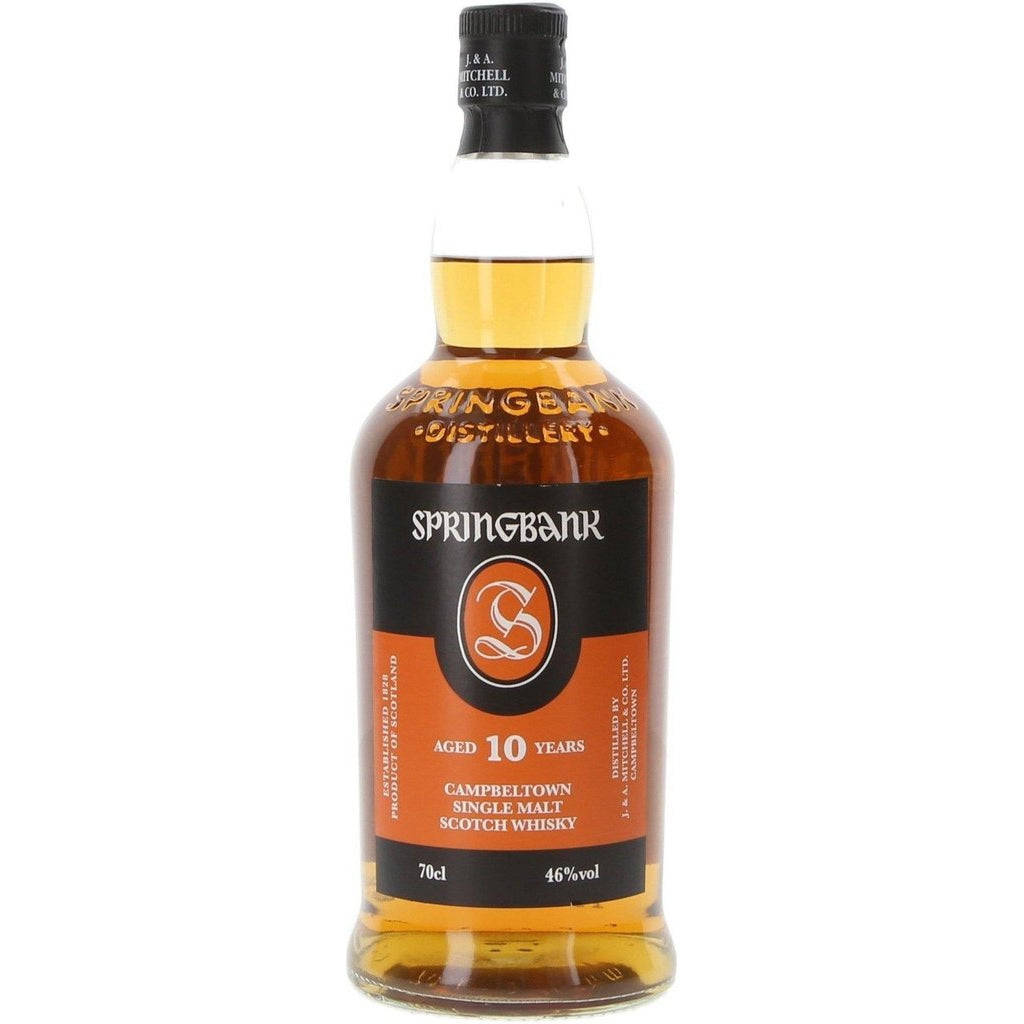
One way to align passion with structure is to select a bottle that supports your wider theme while remaining easy to evaluate. For instance, a classic distillery expression can serve as a baseline against which you later compare cask-finished or age-matched releases.
Springbank 10 Year Old Single Malt Scotch Whisky - 70cl 46%
View product
This type of expression can fit a broader plan because it provides a reliable reference point. When you buy for comparison, you spend with purpose. This is a fundamental principle for whisky for collectors.

Label details and documentation laid out for comparison
5. Storage and care to protect quality
Storage is frequently underestimated, yet it strongly affects both drinking enjoyment and presentation. Whisky is a stable spirit, but bottles still respond to environmental factors. Protecting your bottles from heat, light, and prolonged temperature variation supports consistent quality.
Control temperature and light exposure
Store bottles in a cool, stable environment. Avoid direct sunlight and place bottles away from radiators or frequent heating cycles. UV light can degrade colour and alter aromatic profile over long periods. Temperature swings can also influence how flavours remain balanced.
Keep bottles upright and monitor fill level
Many collectors store bottles upright to minimise contact with the cork and to reduce the risk of leak-related issues. For bottles with wooden cases, be mindful that cases can trap moisture if stored in humid conditions. If you use cabinets, ensure they allow basic air circulation.
Fill level is relevant for both tasting and future resale. It is not necessary to obsess, but you should record levels at purchase if you are tracking condition for comparison.
Maintain original packaging where possible
Boxes, seals, and protective sleeves can contribute to condition. Even if you display the bottle, keeping packaging in a safe, dry space supports future reference. A well-documented shelf is easier to manage, especially if you expand into older or more limited releases.
Build a simple documentation system
Collectors benefit from a repeatable process. A small spreadsheet or notebook can store purchase date, supplier, release identity, price paid, and personal tasting notes. When you later compare bottles from different vintages or casks, this record becomes a decision tool.
For many collectors, the combination of thoughtful selection and stable storage is the strongest method to preserve quality. It also ensures that the collection retains its narrative value as your tastes evolve.
6. Quick tips for better collector decisions
- Define your focus before you buy: Choose two pillars and stick to them.
- Use tasting goals: Consider what you want to compare, not only what you want to own.
- Check bottling details carefully: Prioritise release identity, strength, and cask statement.
- Prefer repeatable criteria: Make it easier to evaluate future purchases quickly.
- Record condition at purchase: Fill level, packaging state, and any included documentation.
- Store consistently: Keep bottles away from light, heat, and humidity.
- Budget for the long term: Treat each purchase as part of a multi-year plan.
- Stay mindful of overconcentration: Avoid filling shelves with near-duplicates if comparison is your aim.
7. Summary & next steps
Whisky collecting works best when curiosity is guided by structure. Start with a clear collecting theme, evaluate each bottle using cask character and provenance, and protect quality through stable storage. These steps reduce costly mistakes and improve the value of your tasting experience, regardless of whether you ever sell.
If you want to refine your approach, choose one focus area for the next quarter and set a simple rule: every purchase must answer why it belongs in your collection. Then build your documentation system alongside your shelf. Over time, that discipline supports stronger decisions and a more rewarding relationship with every bottle.
To broaden your browsing by category, you may also consider: peated whisky.
8. Q&A
How do I start whisky for collectors if my budget is limited?
Begin with a small number of expressions that fit a single theme, such as a region or a cask profile. Prioritise clear bottling identity and condition. Set a monthly or per-release budget and buy only when the bottle has a defined role in your comparison goals. This prevents scattered purchases and helps you learn quickly.
What should I look for on the label when buying for long-term collecting?
Focus on release name, bottler, maturation details where available, strength, and packaging integrity. If the bottle is part of a series, check the format and whether it includes batch or edition information. Accurate label data supports both better tasting records and easier evaluation if you later decide to sell.
Does cask type matter more than age for collectors?
Age and cask both influence character, but cask type often provides a clearer direction for flavour. Age affects integration and depth, while cask influence can add identifiable sweetness, spice, or fruit-driven notes. If your goal is comparison, selecting bottles across the same age range with different casks can be especially effective.
How can I protect my whisky from value loss due to storage issues?
Store bottles away from direct sunlight and heat sources, and aim for stable temperatures. Keep bottles upright and in a dry environment. Maintain original packaging where possible and document condition at purchase. These measures help preserve both quality and presentation.
9. About the author
The Really Good Whisky Company specialises in helping whisky enthusiasts make informed choices, with expertise focused on product selection, collector-friendly guidance, and practical stewardship. The author behind this article draws on years of experience curating whiskies by style, cask influence, and overall drinking profile. The purpose is to support collectors with clear, responsible advice that improves decision-making. Thank you for reading and for continuing to build a collection with intention.
0 comments