

Updated on: 13 March 2026
Campbeltown whisky represents one of Scotland's most distinctive and historically significant spirit traditions. Located on the Kintyre Peninsula, this remote region has produced exceptional single malt whisky for centuries, characterised by its robust flavour profile and maritime heritage. This comprehensive guide explores the heritage, production methods, and tasting notes that define this celebrated category, helping enthusiasts understand what makes these expressions truly remarkable.
Table of Contents
- Heritage and Historical Significance
- Production Methods and Character
- Flavour Profile and Tasting Notes
- Campbeltown Distilleries Today
- Essential Tips for Whisky Enthusiasts
- Investment Potential and Collecting
- Summary and Key Takeaways
- Frequently Asked Questions
Heritage and Historical Significance
The story of Campbeltown whisky begins in the eighteenth century when the region became Scotland's whisky capital. At its peak during the nineteenth century, this small Kintyre coastal town hosted over thirty distilleries, earning it the nickname "Whisky Capital of the World." Merchants, coopers, and spirit traders flourished as the local industry created unprecedented prosperity and international recognition for Scottish spirits.
However, the early twentieth century brought dramatic change. Prohibition in the United States, combined with over-production and declining quality standards among some producers, devastated the region's reputation. Many distilleries closed permanently, and Campbeltown's prominence faded into relative obscurity. Today, only a handful of operational distilleries remain, making genuine expressions from this region increasingly valued by collectors and connoisseurs worldwide.
This historical context enriches the experience of tasting Campbeltown whisky, as each bottle carries the legacy of a region that once defined Scottish whisky production. The resilience of the remaining distilleries demonstrates commitment to authentic craftsmanship and traditional methods, even as modernisation has transformed the wider industry.

Coastal cliffs and maritime landscape shaping the character of regional spirit production
Production Methods and Character
The production of Campbeltown whisky follows traditional Scottish single malt protocols, yet regional characteristics create distinctive expressions. Distillers in this area typically employ peat-dried malt, though the peat sources and intensity vary between producers. This foundational choice imparts a characteristic smoky, briny quality that enthusiasts instantly recognise and appreciate.
Water quality plays a crucial role in shaping the final spirit. The Kintyre Peninsula's geology provides mineral-rich water sources that contribute mineral and slightly saline notes to the distillate. Combined with the maritime atmosphere—salty air and proximity to the Atlantic Ocean—these environmental factors create a unique terroir reflected in every glass.
Maturation practices differ significantly among Campbeltown producers. Some utilise ex-bourbon casks exclusively, whilst others employ sherry-seasoned oak or experiment with alternative cask finishes. This diversity allows connoisseurs to explore varied expressions within the regional category. The cooler Scottish climate ensures slower maturation compared to warmer regions, developing complexity through extended cask interaction.
For those interested in exploring complementary styles, peated whisky collections offer similar smoky characteristics from other Scottish regions, providing useful comparative tasting opportunities.
Flavour Profile and Tasting Notes
Campbeltown whisky exhibits a distinctive sensory profile that sets it apart from other Scottish regions. The characteristic note profile typically includes peat smoke, sea salt, maritime brine, dried fruit, and subtle spice. These flavours develop through the interaction of local water, peat type, cask maturation, and the region's atmospheric conditions.
On the nose, these expressions often present initial peat smoke that evolves into briny, iodine-like notes reminiscent of coastal environments. Secondary aromas include dried citrus peel, leather, and occasionally medicinal or pharmaceutical qualities that reflect the region's unique production characteristics.
The palate experience begins with robust smoke and salt, followed by layered fruit notes—typically dried apricot, raisin, and occasionally maritime brine. Cask influence becomes apparent through vanilla, caramel, or sherry sweetness depending on maturation choices. The finish typically extends with lingering smoke and salt, sometimes accompanied by peppery spice or subtle oak tannins.
Age statements significantly influence these characteristics. Younger expressions display vibrant peat and salt intensity, whilst older bottlings develop additional complexity through extended wood interaction, revealing subtle fruit development and smoother integration of components.

Tasting glass revealing layered amber colours from varied cask maturation processes
Campbeltown Distilleries Today
The contemporary Campbeltown whisky landscape comprises a small but determined group of producers. These modern distilleries maintain traditional production methods whilst embracing responsible innovations that enhance quality without compromising character.
Each remaining operation possesses unique production characteristics, from specific peat sources and water mineral content to individual cask selection philosophies. This diversity ensures that Campbeltown whisky encompasses varied expressions rather than presenting a monolithic flavour profile. Visitors to the region can experience these differences directly, exploring how terroir and production philosophy combine to create distinctive spirits.
Contemporary Campbeltown distillers have established reputation recovery initiatives, focusing on consistency, transparency, and quality improvement. Educational efforts emphasise the region's historical importance and the distinctive attributes that justify premium positioning within the Scottish whisky market.
Exploring fine Scotch whisky collections provides opportunities to compare Campbeltown expressions with products from other celebrated regions, helping enthusiasts appreciate regional diversity within Scottish whisky production.
Essential Tips for Whisky Enthusiasts
- Start with entry-level expressions: Begin your exploration with standard releases from established Campbeltown distilleries rather than premium or rare bottlings, developing your palate before investing substantially.
- Taste methodically: Use appropriate glassware, add small water amounts to open flavours, and take notes on your impressions. This systematic approach develops tasting proficiency and personal preference understanding.
- Compare regional styles: Taste Campbeltown whisky alongside expressions from Islay, Speyside, and Highland regions to appreciate distinctive characteristics that define each area.
- Research producer history: Understanding individual distillery stories enriches your experience and contextualises the spirit's character within broader Scottish whisky traditions.
- Join tasting groups: Shared experiences with fellow enthusiasts accelerate learning and expose you to bottles you might not encounter independently.
- Invest in quality storage: Maintain consistent temperature, protect bottles from direct sunlight, and store upright to preserve spirit integrity over years of ownership.
- Explore limited releases carefully: Whilst special bottlings offer excitement, verify authenticity and value propositions before purchasing premium-priced expressions.
Investment Potential and Collecting
Campbeltown whisky has emerged as an increasingly attractive proposition for collectors seeking alternative investment opportunities. The region's historical significance, limited production volumes, and recovering reputation create favourable conditions for value appreciation over time.
Rare vintage bottlings from defunct distilleries command substantial premiums, reflecting scarcity and historical importance. Even contemporary releases from operating distilleries show appreciation potential, particularly limited-edition expressions or special finishes that distinguish them from standard releases.
Serious collectors prioritise authentication, provenance documentation, and condition assessment. Bottles with original packaging, clear labels, and consistent fill levels command higher values than compromised examples. Temperature stability and proper storage directly influence long-term value retention, making investment-grade collection environments essential for substantial holdings.
The emerging demand for Campbeltown whisky reflects broader market recognition of the region's distinctive character and production heritage. As supply remains constrained by limited distillery capacity, experienced collectors anticipate continued appreciation for well-selected examples.
Summary and Key Takeaways
Campbeltown whisky represents a distinctive and historically significant category within Scottish spirits production. The region's unique terroir, traditional production methods, and distinctive flavour characteristics create expressions that appeal to serious enthusiasts and collectors worldwide.
Understanding the heritage context enriches appreciation for these spirits, contextualising contemporary production within centuries of regional tradition and evolution. From initial peat and salt characteristics through complex cask maturation interactions, these whiskies reward careful tasting and comparative exploration.
Whether exploring entry-level expressions or pursuing rare vintage bottlings, Campbeltown whisky offers accessibility for developing enthusiasts alongside sophistication for experienced collectors. The region's recovery trajectory and commitment to quality ensure continued relevance within evolving global whisky markets.
For comprehensive exploration of regional whisky diversity, world whisky collections provide comparative context, allowing you to appreciate Campbeltown's distinctive attributes alongside international expressions.
Featured Product
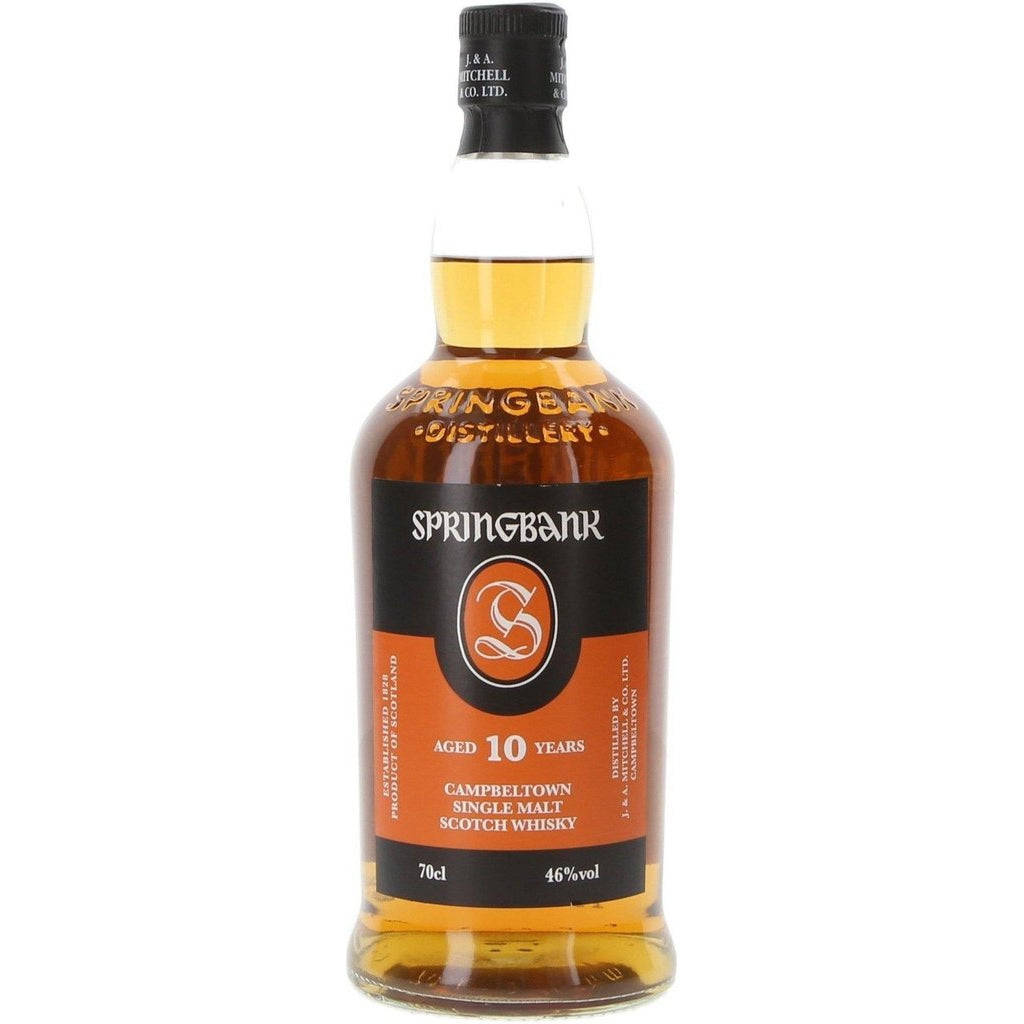
Springbank 10 Year Old Single Malt Scotch Whisky - 70cl 46%
This exceptional expression from one of Campbeltown's premier remaining distilleries represents an ideal entry point for enthusiasts exploring the region. The 10-year maturation provides sufficient cask interaction to develop complexity whilst maintaining the vibrant peat and salt characteristics that define Campbeltown whisky. At 46% alcohol by volume, the spirit delivers robust flavour without excessive harshness, offering approachable yet satisfying tasting experience.
Explore Springbank 10 Year Old
Frequently Asked Questions
What distinguishes Campbeltown whisky from other Scottish regions?
Campbeltown whisky possesses distinctive characteristics derived from local peat sources, mineral-rich water, and maritime atmospheric conditions. The region's particular combination of environmental factors creates a flavour profile emphasising peat smoke, briny salt notes, and dried fruit characteristics that differentiate these expressions from Speyside, Highland, or Islay productions. The historical production methods and regional terroir combine to create a uniquely identifiable spirit category.
How has Campbeltown whisky reputation evolved recently?
Following decades of decline during the twentieth century, Campbeltown whisky has experienced significant reputation recovery. Contemporary distillers have implemented quality improvements, transparency initiatives, and marketing efforts that contextualise the region within Scotland's premium whisky landscape. Recognition of distinctive regional characteristics and historical significance has attracted collector interest, driving demand and establishing Campbeltown expressions as sought-after alternatives to more mainstream Scottish whisky regions.
Which Campbeltown whisky expressions offer the best value for developing enthusiasts?
Entry-level expressions from established Campbeltown distilleries typically offer excellent value, providing authentic regional character without the premium pricing of rare vintage bottlings or special releases. Standard 10-year releases represent ideal starting points, delivering sufficient complexity and maturation development to appreciate regional terroir whilst remaining accessible in price. Experienced collectors can progress to limited editions, alternative cask finishes, or older age statements as palate development and knowledge deepen.
Should Campbeltown whisky be collected as investment?
Campbeltown whisky offers legitimate investment potential for patient collectors prioritising provenance, authentication, and storage conditions. Rare vintage bottlings appreciate steadily as supply decreases and historical significance becomes increasingly recognised. Contemporary limited releases from operating distilleries show appreciation potential, though systematic evaluation of production volumes, demand patterns, and market trends remains essential for informed investment decisions.
How does water quality influence Campbeltown whisky character?
The Kintyre Peninsula's geological composition provides mineral-rich water sources that significantly influence spirit character. These waters contribute subtle mineral and occasionally saline notes to the distillate, combining with peat-derived flavours and cask characteristics to create the distinctive regional profile. Water chemistry directly affects yeast fermentation patterns and flavour compound development, making it a fundamental component of production that contributes measurably to Campbeltown whisky's identifiable character.
What cask types are traditionally used in Campbeltown whisky production?
Campbeltown distillers employ diverse cask strategies, ranging from exclusive ex-bourbon maturation through sherry-seasoned oak to experimental alternative finishes. Traditional approaches utilise ex-bourbon casks that complement peat and salt characteristics without overwhelming regional flavours. Sherry casks add additional complexity through dried fruit and spice notes, whilst experimental finishes—including wine and rum casks—create limited releases that appeal to adventurous collectors seeking novel expressions.
How long should Campbeltown whisky mature before bottling?
Legal Scottish whisky regulations require minimum three-year maturation in oak casks. Most Campbeltown distilleries exceed this baseline significantly, with standard releases typically aged ten years or longer. Extended maturation allows more extensive wood interaction, developing complexity and smoothness whilst maintaining regional peat and salt characteristics. Age statements on bottles indicate minimum maturation periods, though some expressions spend considerably longer in cask before release.
Where can collectors source authentic Campbeltown whisky?
Authorised retailers, distillery direct sales, and specialised whisky merchants provide reliable sources for authentic Campbeltown expressions. Curated single malt collections offer authenticated selections with verified provenance. Auction houses specialising in spirits provide opportunities to acquire rare vintage bottlings, though prices may reflect collector demand significantly. Always verify seller credentials and authenticate bottles carefully before substantial purchases.
What food pairings complement Campbeltown whisky effectively?
The robust peat and salt characteristics of Campbeltown whisky pair exceptionally well with smoked fish, seafood preparations, and rich meat dishes. Iodine and briny notes complement oysters and shellfish naturally, whilst the spirit's drying finish works effectively with salt-cured preparations. Desserts incorporating caramel, toffee, or dried fruits harmonise beautifully with older expressions, leveraging cask-derived sweetness. Experimentation with personal preferences develops appreciation for individual flavour combinations.
How should Campbeltown whisky be stored for optimal preservation?
Store bottles upright in consistent temperature conditions, ideally between 15–18 degrees Celsius, protected from direct sunlight and temperature fluctuations. Lay bottles horizontally only when corks are involved; modern screw caps accommodate upright storage effectively. Maintain consistent humidity levels to prevent cork deterioration and evaporative loss. Avoid storage near heating sources, in attics, or other locations experiencing significant temperature variations that might compromise spirit integrity over extended periods.
Are independent bottlers producing Campbeltown whisky expressions?
Yes, independent bottling companies occasionally release Campbeltown whisky cask selections, often sourcing from distillery inventory or privately held stocks. These independent expressions sometimes offer alternative cask finishes or proof levels differing from official distillery releases. Explore independent bottling collections for unique Campbeltown selections offering distinctive perspectives on regional character developed through alternative maturation approaches.
What production volumes characterise contemporary Campbeltown distilleries?
Current Campbeltown distilleries operate at significantly reduced capacity compared to nineteenth-century peak production levels. Limited production volumes ensure supply constraints that support value appreciation whilst maintaining artisanal production standards. Restricted availability makes these expressions more precious to collectors and enthusiasts, contributing to growing demand despite limited distillery capacity to increase production substantially.
How do Campbeltown expressions compare to Islay whisky?
Both regions emphasise peat smoke, yet express this characteristic distinctly. Islay expressions typically feature heavier peat intensity and medicinal qualities, whilst Campbeltown presentations integrate peat more subtly with maritime salt and briny notes. Campbeltown spirits often display additional fruit development and smoother overall profiles compared to Islay's more robust intensity. Comparative tastings reveal how identical production ingredients—peat, water, casks—yield regionally distinct results based on terroir and production philosophy.
Are vintage Campbeltown bottlings worth premium prices?
Authentic vintage Campbeltown bottles from defunct nineteenth-century distilleries command substantial premiums reflecting historical significance, extreme scarcity, and collector demand. Prices reflect authentication difficulty, provenance verification challenges, and limited supply of well-preserved examples. However, not all old Campbeltown bottles represent exceptional value; condition assessment, bottle integrity, and market demand analysis remain essential before significant investment. Expert evaluation ensures you distinguish genuinely valuable selections from overpriced examples.
Can Campbeltown whisky improve with additional age beyond bottling?
Once bottled, whisky ceases maturation as spirit no longer interacts with wood. However, bottle-aged spirits may develop subtle changes through oxidation and subtle chemical interactions over decades. Properly stored bottled Campbeltown whisky remains essentially stable in flavour profile and character. The significant investment required for optimal storage conditions rarely justifies anticipating dramatic improvements through bottle ageing compared to acquiring older age-stated releases directly from distilleries.
What role does fermentation play in Campbeltown whisky character development?
Yeast selection and fermentation duration significantly influence flavour compound development, particularly the congener profiles that define regional character. Campbeltown distilleries employ traditional fermentation approaches, sometimes extending fermentation periods that encourage complex ester development. Regional water chemistry influences yeast activity and metabolic processes, contributing measurably to the distinctive character achieved through Campbeltown production protocols compared to other Scottish regions using similar processes.
How do contemporary Campbeltown producers balance tradition with innovation?
Modern Campbeltown distilleries maintain traditional production fundamentals—peat sourcing, water selection, basic production sequence—whilst carefully implementing innovations enhancing quality and consistency. These might include improved quality control, cask management refinement, or experimental finishing techniques that expand expression diversity. The balance reflects commitment to authentic regional character whilst embracing responsible modernisation that improves product consistency and appeal without compromising essential Campbeltown whisky identity.
What future trajectory appears likely for Campbeltown whisky market development?
Continued appreciation is anticipated as collector recognition grows and supply remains constrained by limited distillery capacity. Increasing interest in Scottish whisky's regional diversity positions Campbeltown attractively within evolving market preferences. Younger enthusiasts discovering these distinctive expressions create stable demand supporting premium positioning. Historical narrative recovery and quality reputation establishment suggest sustained interest and value appreciation for carefully selected Campbeltown whisky investments across coming decades.
About the Author
This article was created in partnership with The Really Good Whisky Company, a specialist retailer providing curated selections of premium spirits sourced from distilleries worldwide. Our team combines decades of industry expertise with genuine passion for whisky appreciation, ensuring our content reflects authoritative knowledge whilst remaining accessible to developing enthusiasts and experienced collectors alike. Whether exploring foundational concepts or investigating investment opportunities within specific regions, we remain committed to producing substantive, accurate content that enhances your whisky knowledge and collection development. Our curated collections reflect the same rigorous standards applied throughout our editorial work, ensuring every recommendation meets our elevated quality expectations.
0 comments