

Updated on: 2026-05-26
Discover how to identify citrus and pear tasting notes in whisky, from aroma to finish. Learn the common causes behind bright fruit character and how to describe it accurately. Use practical tasting steps to compare styles and cask influences with confidence. Finish with recommendations on what to look for and how to refine your palate.
1. What are citrus and pear tasting notes?
2. How to detect them: aroma, palate, and finish
4. Comparison: whisky styles and note patterns
What are citrus and pear tasting notes?
Citrus and pear tasting notes describe a bright, fruit-forward profile that many drinkers associate with freshness, lifted aromatics, and a clean flavour arc. In whisky, these impressions usually show up first on the nose, then move across the palate, and finally linger as a subtle, fruit-like resonance.
“Citrus” typically signals aromas and flavours such as lemon zest, grapefruit pith, or mandarin brightness. “Pear” often reads as sweet pear drops, soft orchard fruit, or a delicate, mellow fruit sweetness rather than sharp acidity. Together, they can suggest a style that feels energetic and well balanced.
These notes are not a single ingredient. They are impressions formed by many compounds, including ester character, fruit-derived aromatics, and the way the whisky interacts with oxygen after opening. The result is a tasting vocabulary that helps you make comparisons between bottles, regions, and cask histories.
How to detect them: aroma, palate, and finish
If you want to recognise citrus and pear tasting notes reliably, use a repeatable method. Consistency reduces guesswork and helps you notice the same signals across different whiskies.
Start with the nose: separate brightness from sweetness
Pour a small measure and let it rest for a moment. Then take two or three short sniffs. The first round often reveals the most volatile aromatics, where citrus character may appear as zest, light peel, or a refreshing lift. A second round can reveal pear notes as a softer orchard sweetness, sometimes accompanied by gentle floral impressions.
To refine your perception, pay attention to texture in your description. Citrus often feels “sharp and clean”, while pear tends to feel “rounded and smooth”. That distinction helps you avoid labelling everything as fruit.
Move to the palate: look for a fruit arc, not a single moment
Take a small sip and hold it briefly. Citrus and pear tasting notes frequently emerge in sequence. Citrus may arrive early and broaden across the mid-palate, while pear often follows as a smoother, sweeter layer. The most useful comparison is how they transition: does the fruit feel integrated, or does it drop off quickly?
Also consider dryness. Citrus notes can feel drier when joined with a crisp finish. Pear notes can feel fuller when the whisky has a softer, creamy body.
Finish: identify whether fruit fades cleanly or lingers
On the finish, citrus often shows as a light peel-like impression that fades without heaviness. Pear tends to linger as a gentle sweet fruit echo. When the finish is clean, the fruit character can feel airy rather than syrupy.

Visual cues for bright citrus and soft pear
Common challenges
Recognising citrus and pear tasting notes can be straightforward for experienced tasters, yet beginners often encounter predictable obstacles. The key is to isolate each issue and apply a practical solution.
Challenge 1: confusing pear with vanilla or honey
Pear can be mistaken for honeyed fruit or mild vanilla sweetness. This happens when the whisky is slightly warm or when you smell too long in one session.
Solution: Take a short first sniff, then step back for a few seconds before trying again. If the impression returns as orchard fruit, the note is more likely pear than vanilla. On the palate, pear should feel rounded and fruity rather than purely sweet and oaky.
Challenge 2: citrus being overwhelmed by spice or smoke
Some whiskies show citrus in the early aroma, but spice, peat, or strong oak can push it into the background. You may still have citrus character, but it becomes harder to name accurately.
Solution: Seek the note in layers. First identify the dominant profile (smoke, spice, or oak). Then look for the lighter fruit lift that appears before the dominant sensation. If the citrus only appears after agitation or only on the nose, treat it as a supporting character rather than the main theme.
Challenge 3: inconsistent tasting conditions
Temperature, glass shape, and even the time since opening can change the way aromatics read. A chilled whisky may mute fruit impressions; a warm whisky may emphasise alcohol and dull delicate notes.
Solution: Keep tasting conditions stable. Use the same glass each time and allow the whisky to settle. Record your impressions immediately to avoid memory drift. Over time, this approach makes your descriptions more accurate.
Challenge 4: overusing the term “fruity”
Calling a whisky “fruity” is common, but it limits your ability to compare bottles. You may also miss the difference between citrus brightness and pear sweetness.
Solution: Use a two-part description. For example: citrus brightness on the nose and pear softness on the palate. This structure creates a clearer mental model and improves review quality.
Comparison: whisky styles and note patterns
Different whisky styles can show similar fruit characters, yet the note pattern often differs. The table below summarises typical pros and cons for identifying citrus and pear tasting notes across categories.
| Whisky style | Typical note behaviour | Pros for fruit detection | Potential drawback |
|---|---|---|---|
| Speyside-style single malt | Often shows orchard fruit sweetness with lighter citrus lift | Clarity on the nose; gentle fruit transition | Warm oak may blur pear edges |
| Highland-style single malt | Fruit can appear, then shift toward spice or grain-like dryness | Good aroma complexity | Fruit may be brief on the finish |
| Sherried or wine-cask influences | Fruit sweetness grows; citrus may become riper and less zesty | Strong fruit expression | Pear can merge into general berry or jam notes |
| Peated whiskies | Citrus may read as freshness over smoke; pear can feel subdued | Fruit contrast stands out against peat | Smoke can dominate naming accuracy |
| Japanese-style single malt | Often displays clean, bright aromatics with layered fruit | High clarity; precise fruit definition | Subtle notes require careful tasting |
When you compare, aim for evidence-based descriptions. Ask: does citrus feel like zest, and does pear feel like orchard fruit? Then note whether the fruit arc is integrated or fleeting.

Notebook grid to compare citrus and pear cues
Where to explore fruit profiles across the range
If you want to build tasting fluency, explore collections that naturally encourage comparison. For a structured starting point, consider browsing single malt Scotch whiskies and world whiskies. You can also narrow by cask influence and character by reviewing sherry cask whiskies, which often change how pear sweetness reads.
Embedded product example for tasting practice
For a practical comparison, try a well-known bottle and apply the nose-and-palate method described above. One option that can support fruit-focused tasting is:
Springbank 10 Year Old Single Malt Scotch Whisky - 70cl 46%
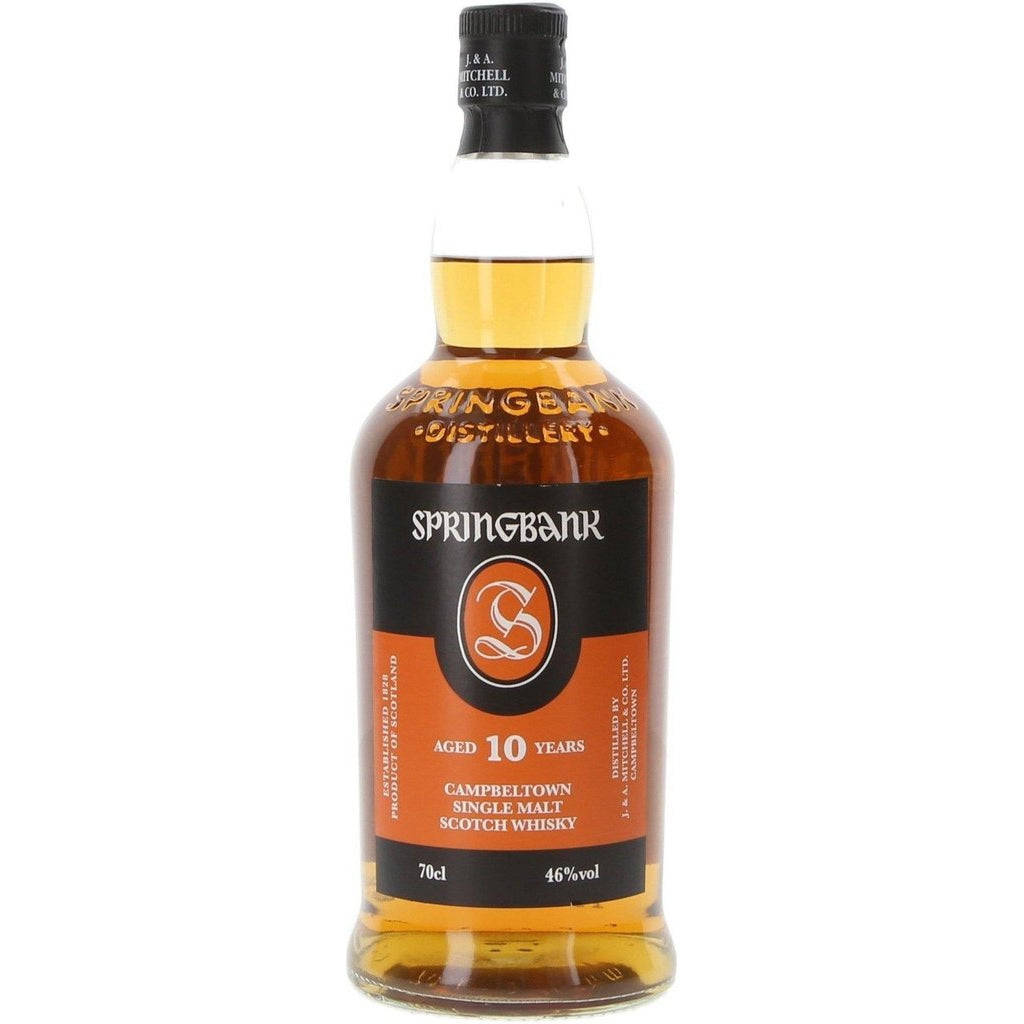
View the Springbank 10 Year Old Single Malt Scotch Whisky
Summary & Recommendations
Citrus and pear tasting notes are best understood as a fruit arc that begins on the nose and develops across the palate and finish. Citrus tends to feel crisp, bright, and zest-like, while pear reads as rounded orchard sweetness. Both are impressions shaped by compounds, cask interaction, and how the whisky opens in the glass.
To improve your accuracy, use a repeatable tasting sequence: short sniffs, a small palate hold, and a deliberate finish check. Where confusion arises, separate the note into components. Treat pear as orchard fruit rather than generic sweetness, and treat citrus as peel-like brightness rather than spice.
If you want to refine your palette further, compare bottles within the same session and record your findings using consistent language. For additional exploration, you can also browse our finest Scotch to see how different profiles present fruit character in distinct ways.
Q&A Section
How do citrus and pear tasting notes differ from generic fruitiness?
Generic fruitiness is broad and often merges many impressions into one label. Citrus and pear tasting notes are more specific and describe both the type of fruit and the feel of the flavour. Citrus tends to read as zest or peel brightness, while pear tends to read as orchard sweetness and rounded fruit texture.
Can a whisky show both citrus and pear notes without tasting “sour”?
Yes. Citrus in tasting terms often refers to brightness rather than harsh acidity. Many whiskies deliver a clean, fresh peel-like lift that does not taste sour. Pear can also provide sweetness that balances the citrus impression, producing a harmonious fruit profile.
What is the fastest way to confirm these notes during a first tasting?
Use two short nose checks and then a palate sequence. First, look for citrus lift early on the nose. Second, look for a softer orchard sweetness on a later sniff. On the palate, confirm that citrus appears early and pear follows as a smoother layer rather than appearing as one combined flavour.
Do casks influence citrus and pear tasting notes?
Cask influence can affect how fruit reads, particularly through sweetness, oak character, and maturation style. Some casks enhance fruit definition, while others can turn citrus into riper fruit tones or merge pear into broader dessert-like sweetness. Careful tasting across bottles with similar alcohol strength helps isolate these effects.
About the Author Section
The Really Good Whisky Company
The Really Good Whisky Company is an authority in whisky curation, storytelling, and responsible tasting education. Our team focuses on helping customers build clear tasting vocabulary, including how to recognise citrus and pear tasting notes with evidence-led methods. We aim to make selection and learning feel structured, transparent, and approachable. Thank you for reading, and we hope your next tasting improves in clarity and confidence.
Disclaimer: Whisky tasting notes are subjective and may vary by glass, temperature, and individual perception. The descriptions in this article are intended for educational purposes and do not represent a guarantee of flavour in any specific bottle.
0 comments