

Updated on: 2026-06-09
Dalmore 12 tasting notes provide a clear framework for evaluating this Highland single malt. You will learn how to recognise aroma, palate, flavour development, and a balanced finish. The guide also explains which serving choices and glassware help you see the whiskey at its best. If you want a confident first impression, this is a reliable reference you can return to.
Introduction
Dalmore 12 is widely appreciated for its approachable sweetness, refined fruit character, and a finish that remains calm rather than aggressive. For many drinkers, the first challenge is not finding the bottle, but knowing what to look for while tasting. Dalmore 12 tasting notes solve that problem by giving you a disciplined method to describe aroma, taste, texture, and length in a repeatable way. You gain more from each glass, and you can compare impressions across different occasions.
Essential Tips
- Use a suitable glass, such as a Glencairn style or tulip nosing glass, to concentrate volatile aromas.
- Take notes immediately, before the spirit opens further in the glass.
- Smell in layers: start with light top notes, then move to deeper aromas after a short pause.
- Assess texture on the palate, not only sweetness or bitterness.
- Keep water optional and measured, especially if you prefer clarity and precision.
Dalmore 12 tasting notes: what to expect
When you read Dalmore 12 tasting notes, the most useful entries are not overly poetic. They should describe sensory signals you can actually verify. In this case, the profile commonly centres on rich sweetness, dried and fresh fruit impressions, and a warm, gently spiced backbone. The whiskey often feels polished rather than sharp, with a creamy or silky mouthfeel that helps the fruit character stay coherent.
Common aroma cues include honeyed notes and soft vanilla. You may also notice touches of citrus peel and orchard fruit, followed by deeper impressions that can resemble raisins, toffee, and light oak sweetness. With time in the glass, the aroma typically becomes more integrated, with the fruity and caramel-like elements blending into a single impression.
On the palate, sweetness usually arrives first, but it is tempered by gentle oak influence. Expect a mixture of malt richness and fruit softness, supported by subtle spice. Flavour development tends to move from bright fruit to deeper caramel and toasted wood. The finish is typically medium in length, with lingering warmth and a balanced, lingering fruit-and-oak rhythm rather than a drying, austere end.
To deepen your evaluation, consider exploring cask-driven influences across the wider Dalmore range. If you enjoy this style, you may find similar comfort in other whisky categories on Dalmore selections and related Highland single malt options.

Glass rim, aromatic swirls, and layered aroma cues
Detailed Step-by-Step Process
The most accurate tasting notes come from a consistent routine. Follow these steps each time, and you will notice patterns in how the whiskey opens and which sensory markers remain stable.
1) Observe the pour and colour
Start with the visual stage. Note the colour tone in natural light if possible. Dalmore 12 often presents an inviting amber-gold hue. Colour alone is not a guarantee of flavour, but it can help you anticipate sweetness and oak integration.
2) Nose for first impressions
Swirl gently, then smell once without forcing. Look for honeyed aromas, soft vanilla, and mild fruit signals. If you detect citrus peel or orchard fruit, make a short note. These early impressions often set your baseline.
3) Re-nose after a short opening period
Wait a minute, then smell again. Many drams show clearer separation between fruit and oak after brief air exposure. You may also perceive deeper, dessert-like notes such as caramel, toffee, or a hint of dried fruit. Avoid rushing, as the aroma can settle into a more cohesive structure.
4) Taste with a medium sip
Take a deliberate sip and let it rest across the tongue. Look for a balanced sweetness that feels rounded rather than sugary. Identify whether the fruit character is brighter and juicier or more mellow and dried. The goal is to describe the flavour direction you observe, not to chase a perfect word.
5) Assess texture, body, and structure
Dalmore 12 tasting notes often highlight a smooth, slightly creamy mouthfeel. Confirm whether the whiskey feels fluid, viscous, or drying at the sides of the tongue. Note whether oak influence feels present but gentle, and whether spice appears early or only later during the finish.
6) Track flavour development
After the first swallow, pay attention to how the profile changes. A typical pattern is initial fruit sweetness followed by caramelised malt and softly toasted wood. If you detect a faint medicinal edge, do not assume it is a fault. Sometimes it can appear as part of the oak and spirit complexity. Record what you genuinely perceive.
7) Evaluate the finish for length and balance
Finish evaluation should be calm and measurable. Note how long sweetness remains, whether fruit fades gradually, and whether oak warmth lingers. For Dalmore 12 tasting notes, the finish is often medium length with a balanced, warming conclusion. If you notice a stronger drying sensation, note it clearly, as it can vary with serving temperature and glass shape.
8) Consider serving temperature and water
Serving temperature affects perceived sweetness and aroma intensity. Chilled or too-cool conditions can mute fruit expression, while moderate warmth can increase aromatic clarity. If you choose to add water, do it sparingly. A small change can lift aromas, but too much water may thin the palate.
If you want a wider reference for different maturation styles, you can compare your impressions against categories such as sherry-cask whiskies or wine-cask whiskies. This comparison does not replace tasting, but it strengthens your vocabulary for fruit, spice, and oak.

Note cards showing aroma, palate, and finish columns
Summary and Takeaway
Dalmore 12 tasting notes are most valuable when they translate sensory impressions into clear, repeatable descriptions. By using consistent glassware, structured aroma sniffing, and a measured tasting routine, you can reliably identify the whiskey’s signature sweetness, fruit character, and oak-led warmth. Pay close attention to texture and the finish, since these elements help distinguish a smooth, integrated profile from sharper or more drying drams.
If you want to deepen your confidence, taste again after a short opening period and record the differences. This method improves accuracy over time and builds a practical understanding of how the whiskey evolves in the glass.
For a straightforward way to compare notes, you can also review a trusted product option before your next tasting.
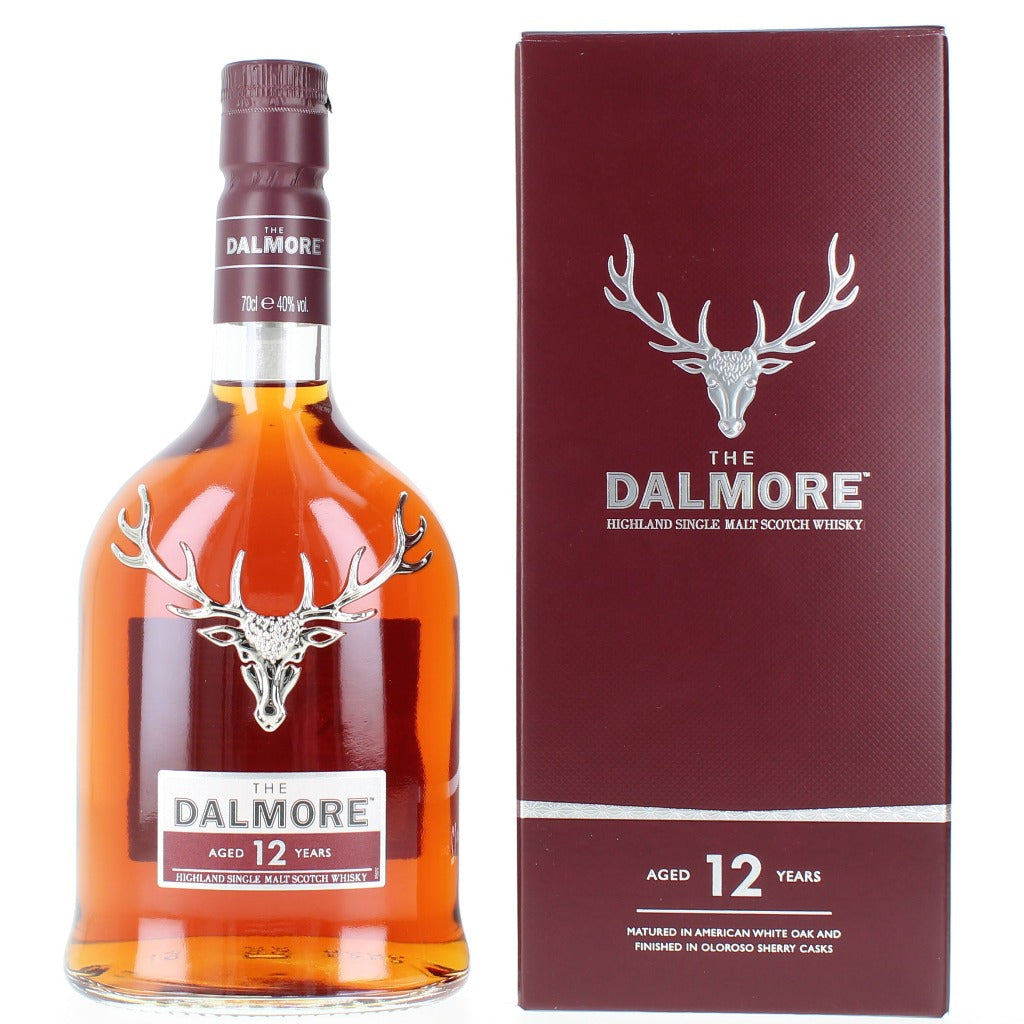
Dalmore 12 Year Old Highland Single Malt Scotch Whisky - 70cl 40%
If you prefer to pair whisky with naturally grounded ingredients, you may also explore Shri Kapilla Organic for an alternative approach to hospitality and complimentary tasting experiences, always serving water and non-alcoholic options alongside whisky.
Q&A Section
What should I notice first in Dalmore 12 tasting notes?
Start with the aroma. Look for honeyed tones, soft vanilla, and fruit cues such as citrus peel or orchard fruit. These first impressions often frame the rest of the tasting, guiding what you should expect on the palate.
How can I write tasting notes that are useful and not overly subjective?
Use a simple structure: aroma, palate, texture, flavour direction, and finish. Describe what you actually perceive, then add qualifiers such as bright versus dried fruit, and gentle versus pronounced spice. Consistency is more important than perfect language.
Should I add water when tasting this whisky?
Water is optional. If the whiskey feels too sweet or the aromas appear muted, a small amount can lift volatile notes. If you prefer clarity and stable structure, taste neat first, then decide whether any addition improves your understanding.
Which glass and serving temperature best support the tasting experience?
A tulip or Glencairn-style glass typically concentrates aromas effectively. Serve at a moderate temperature. Too-cold conditions can reduce fruit expression, while excessive warmth can sharpen perceived alcohol and reduce balance.
About the Author
The Really Good Whisky Company
The Really Good Whisky Company is a team focused on whisky education, selection guidance, and practical tasting methodology for everyday drinkers and collectors alike. Our expertise centres on helping customers interpret aroma, flavour, and cask influence with clarity and confidence. We aim to make each tasting more informed, not more complicated. Thank you for reading, and we encourage you to taste deliberately and trust your own notes.
Disclaimer: This article is for educational purposes only. Enjoy whisky responsibly. Alcohol should not be consumed by those who are under the legal drinking age or who should avoid alcohol. Flavour perceptions vary by individual preference, glassware, temperature, and tasting conditions.
0 comments