

Updated on: 2026-07-15
A well-judged Dalmore whisky review helps you understand both character and craft. This guide explains how the spirit presents on the nose, palate, and finish, and what style cues to look for in Highland single malt. You will also learn which serving choices best support the whisky’s natural balance. Finally, you will find practical pairing ideas and answers to the most common questions from enthusiasts.
What Makes Dalmore a Distinct Highland Malt
Dalmore is widely recognised for a mature, richly textured Highland style that tends to reward careful attention. In a Dalmore whisky review, the most useful approach is to focus on how the whisky balances sweetness, spice, and depth rather than on chasing one single flavour note. The brand’s profile often feels composed, with aromas that move from fruit and aromatic warmth into deeper, darker tones.
Several factors typically shape this character. First, the spirit is designed for a rounded experience, often showing a smooth entry on the palate. Second, cask selection and maturation can add layers of dried fruit, cocoa-like richness, and gentle spice. Third, even within the brand’s range, the underlying structure usually remains consistent, which helps new drinkers learn how to read each bottle more quickly.
If you enjoy exploring single malts with a pronounced cask conversation, it is helpful to compare style cues across different categories. For example, you may find it useful to browse independent bottlings for alternative finishing styles and perspective. You can also explore the wider scotch range through our finest scotch for context when you are building a tasting line-up at home.

Oak influence visualised with warm tones and layered aromas
Dalmore Whisky Review: Tasting Notes and Signature Profile
A Dalmore whisky review should begin with sensory sequence. The same bottle can feel different depending on glass choice and temperature. When you approach it systematically, you tend to detect the whisky’s natural architecture: fragrant top notes, a rounded middle, and a concluding finish that lingers with warmth.
Appearance and first impressions
In the glass, Dalmore expressions often show a vivid golden hue that can range from honeyed to amber-bronze. The viscosity, seen as slow-moving legs, usually suggests a fuller body. This is not a guarantee of intensity, but it is a useful indicator that the palate may deliver more than light sweetness.
Nose: fruit, warmth, and oak-led depth
On the nose, many Dalmore whiskies present fruit-forward impressions alongside aromatic warmth. You may notice citrus peel, orchard fruit, or a gentle dried-fruit note. Beneath these layers, there is often an oak-driven core that brings vanilla, toasted wood, and a subtle cocoa-like tone. With time in the glass, the aromas commonly open further, revealing spice and a softer, perfumed edge.
Palate: smooth entry, balanced richness
The palate frequently starts smooth, then develops into a richer middle. Expect flavours that can include sweet spice, dark honey, and a layer of baked fruit. The transition should feel measured rather than abrupt, with a steady interplay between sweetness and oak warmth. Many drinkers describe the overall feel as creamy or satiny, though the exact texture varies by bottle and maturation.
Finish: lingering warmth and gentle complexity
The finish typically remains medium to long, with oak warmth and fruit sweetness reappearing after the initial wave. You may find faint notes of cacao nib, toasted spices, and a final touch of dried fruit. The key is balance: the whisky should not rely on one dominant flavour. Instead, it tends to close with a coherent, comforting structure.
Featured bottle for context
If you are comparing styles within the Dalmore spectrum, it helps to anchor your tasting against a known reference point. One commonly chosen entry into Highland Dalmore character is below.
Dalmore 12 Year Old Highland Single Malt Scotch Whisky - 70cl 40%
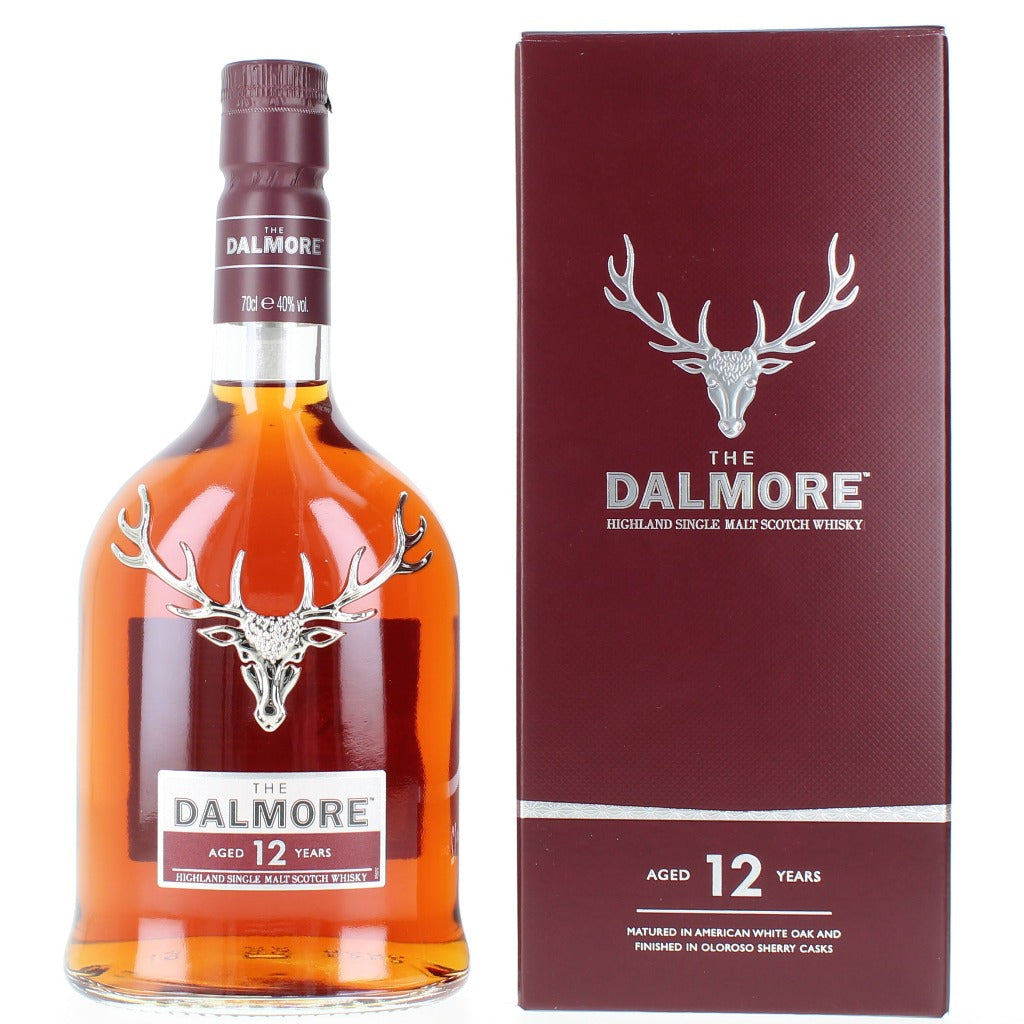
View product details
How to Assess a Dalmore Bottle at Home
Not every whisky tasting experience is consistent, especially when people rush the process. The most reliable method is to evaluate aroma and palate separately, then check how flavours evolve. Use this practical routine to produce a disciplined Dalmore whisky review for any bottle in the range.
1. Choose the right glass and a calm pace
Use a tulip-style glass or a small whisky snifter. Pour a modest measure and allow time for the vapours to collect. Do not rush the first sniff. A calm pace often reveals more fruit and spice than a hurried approach.
2. Evaluate aroma in two stages
Stage one is quick: record the immediate impression. Stage two is slower: after a minute, re-smell and note what has softened or intensified. This helps you distinguish top aromas from deeper oak-led elements.
3. Take one sip, then one re-evaluation
When you taste, let the whisky coat the tongue. Then swallow lightly and note the aftertaste. A second sip can confirm whether the finish is drying, sweetening, or balanced.
4. Check texture and balance, not only flavour
Focus on body, mouthfeel, and the way sweetness meets spice. A Dalmore whisky review is more useful when it describes structure: for example, whether the palate feels creamy, whether the spice is gentle or pronounced, and whether the finish turns more fruity or more woody.
5. Consider temperature and water with caution
Serve slightly below room temperature for clarity, then allow the whisky to breathe. If you add a small amount of water, do so conservatively. Too much dilution can blur the cask character that often defines Dalmore.
Serving and Pairing Guidance
Serving choices can support the whisky’s natural strengths. Dalmore is often at its best when the drink is allowed to develop rather than when it is forced. If you prefer cocktails, approach with restraint; the whisky’s cask sweetness and aromatic warmth can be diluted by aggressive mixers.
Best serve style for a Highland single malt
- Neat, in a tulip glass, at a temperature that allows aromas to rise.
- One small glass at a time, rather than repeated refills that cool the spirit too quickly.
- Optional water, used sparingly, to open spice without flattening fruit.
Food pairing ideas
Dalmore’s typical flavour direction makes it especially suitable for dishes that carry warmth and depth. Consider the following pairings when planning a tasting flight or an evening serve:
- Roast or braised meats with caramelised surfaces, where sweetness meets spice.
- Cheese boards featuring mature cheddar or nutty cheeses, to complement oak warmth.
- Desserts with baked fruit, vanilla, or dark chocolate notes, to mirror the whisky’s richness.
- Smoked or spiced nuts, which can echo toasted tones and gentle spice.
If your aim is to discover similar serving contexts across whiskies, it may be helpful to explore the broad category of single malts in a structured way through single malt scotch whisky. This can help you learn what “rich and cask-led” means across different distilleries.

Pairing scene with warm flavours, fruit, and dark chocolate notes
Cask Influence and Age Statements: What to Expect
Many people begin a Dalmore whisky review by searching for the “main flavour”. In practice, the more accurate approach is to recognise how cask influence develops over time. Age statements can correlate with integration, where fruit and oak move closer together. However, the style difference you notice should always be checked bottle by bottle, as maturation choices and finishing decisions vary across the range.
How cask types typically shape the experience
Dalmore is often associated with a rich, layered profile that can include dried fruit, spice warmth, and a darker cocoa-like undertone. This is commonly the result of maturation decisions that prioritise texture and depth. When casks are well matched to the spirit, the nose can appear fragrant rather than sharply oaked, and the palate can feel rounded rather than dry.
Age and integration
In general terms, age can bring cohesion. Younger expressions may display brighter fruit and more obvious spirit character, while older bottles frequently show more integrated sweetness and smoother spice. Still, age is not the only factor. Proof strength, cask refill cycles, and the whisky’s maturation environment can all influence the final profile.
What to look for during tasting
- Integration: whether fruit and oak arrive together or separately.
- Spice character: whether spice feels gentle and warming or sharp and drying.
- Finish style: whether the conclusion becomes fruitier, drier, or more chocolate-toned.
A disciplined tasting can also help you select a bottle that suits your preferences. If you enjoy soft fruit sweetness and a comfortable finish, you may favour bottles with a rounded, honeyed profile. If you prefer a more vivid spice arc and a firmer oak presence, you may choose differently within the range.
Common Questions Answered
Is Dalmore best enjoyed neat or with water?
Dalmore is typically best enjoyed neat because the whisky’s aromatic layers are clear and cohesive. If you find the alcohol presence too prominent, adding a small amount of water can help open spice and soften sweetness. Use minimal dilution and reassess aroma and finish after a short pause.
What flavour notes are most common in a Dalmore whisky review?
Many Dalmore expressions feature a blend of orchard or dried fruit, warm oak, vanilla-like sweetness, and gentle spice. Depending on the specific release, you may also notice cocoa-toned richness and toasted wood. The most reliable indicator is balance: flavours should feel connected rather than scattered.
How does Dalmore compare with other Highland single malts?
Within the Highlands, Dalmore often leans toward a richer, more cask-forward style with a smooth mouthfeel and a longer, comforting finish. Some other Highland malts can feel drier, more herbal, or more overtly smoky. A direct comparison works best when you taste comparable bottlings side by side, focusing on texture and finish length.
What is a good whisky gift strategy for someone who enjoys Dalmore?
Choose based on the person’s texture preferences and how they like sweetness to present. If they enjoy roundness and a warm finish, select a bottle with a well-integrated profile. If they prefer more pronounced oak influence, consider releases that emphasise cask character. When in doubt, a curated tasting approach often performs better than guessing a single flavour note.
Summary and Next Steps
A Dalmore whisky review is most valuable when it describes structure, not only individual flavours. The typical experience centres on a fragrant nose, a smooth and rich palate, and a finish that remains warm and coherent. When you taste methodically, you will identify whether the bottle leans more toward fruit sweetness or darker, cocoa-like oak warmth.
If you want to deepen your understanding, begin by tasting one bottle neat, then repeat with a second small pour after it has warmed slightly in the glass. Consider recording texture and finish direction, as these factors often predict your enjoyment more reliably than a single aroma note. You may also find it beneficial to explore wider scotch categories on the site to build context around Highland style.
For broader craft inspiration in your home bar, you may also be interested in Brute Force Brew Co..
Disclaimer: Tasting notes and flavour impressions are subjective. Environmental factors, glassware, and serving temperature can influence perceived aromas and taste. This guide is intended for informational purposes and does not represent medical or performance claims.
About the Author
I am part of The Really Good Whisky Company , specialising in scotch and wider whisky education. My work focuses on how distillery character, cask influence, and maturation choices shape the way a whisky reads in glass. I aim to translate tasting language into clear, practical guidance for everyday drinkers. Thank you for reading, and I hope your next tasting session is both confident and rewarding.
0 comments