

Updated on: 7 April 2026
Former bourbon and former sherry wooden vessels represent two of the most influential maturation mediums in whisky production today. These casks impart distinct flavour profiles, colour characteristics, and complexity to spirits aged within them. Understanding the differences between ex-bourbon and ex-sherry maturation reveals why distillers favour these containers and how they shape the final product. This comprehensive guide explores their impact on whisky quality, flavour development, and the reasons connoisseurs seek expressions matured in such vessels.
Table of Contents
- Understanding Ex-Bourbon and Ex-Sherry Casks
- Did You Know?
- The Maturation Process and Flavour Development
- Expert Tips for Identifying Cask-Influenced Whiskies
- A Distiller's Perspective: Personal Insight
- Comparing Ex-Bourbon and Ex-Sherry Maturation
- Summary and Key Takeaways
- Frequently Asked Questions
- About the Author
Understanding Ex-Bourbon and Ex-Sherry Casks
Former bourbon and former sherry wooden containers have become fundamental to modern whisky production, particularly within Scottish distilleries. These vessels possess unique characteristics shaped by their previous use, which fundamentally influences the spirit matured within them. Ex-bourbon containers, typically constructed from American white oak, previously held bourbon whiskey for a minimum of two years under strict American regulations. Ex-sherry wooden vessels, generally crafted from European oak, previously housed Spanish fortified wine, imparting distinctive richness and colour.
The significance of these casks extends beyond mere tradition. Distillers recognise that the wood's previous interaction with bourbon or sherry creates a foundation of flavours, tannins, and chemical compounds that whisky cannot fully replicate through new oak alone. This maturation method allows producers to achieve consistency, complexity, and consumer-recognised characteristics that define premium expressions.

Cross-section of aged oak wood showing rings and rich amber tones from spirit maturation.
The sourcing and preparation of these containers involve considerable investment and expertise. Distilleries partner with cooperages and suppliers to ensure quality, authenticity, and proper conditioning before use. The cost associated with procuring quality ex-bourbon and ex-sherry wooden vessels represents a substantial portion of production expenses, yet producers maintain this commitment due to the superior results achieved.
Did You Know?
- American bourbon producers must use new charred oak barrels, making ex-bourbon containers available exclusively for secondary maturation in other whisky-producing regions.
- European oak, used for sherry vessels, contains more pronounced tannins and vanilla compounds compared to American white oak.
- Former sherry wooden containers can command prices three to five times higher than ex-bourbon vessels due to limited availability and extraction of residual wine compounds.
- The colour imparted by ex-sherry maturation develops significantly faster than ex-bourbon, often producing deeper amber and mahogany hues within months.
- Distilleries practise wood management techniques such as toasting and charring to refresh tired casks and enhance their maturation potential.
The Maturation Process and Flavour Development
The interaction between spirit and wood during maturation remains one of whisky production's most complex chemical processes. Within ex-bourbon containers, the spirit encounters residual vanilla, caramel, and oak-derived flavours established during bourbon's original maturation. These compounds dissolve gradually into the new liquid, creating a harmonious integration of flavours that develop progressively over years.
Ex-sherry wooden vessels operate differently due to their previous fortified wine contents. Sherry's tannins, colour compounds, and fruit-derived characteristics remain embedded within the oak structure. When whisky enters these containers, it absorbs these elements whilst simultaneously extracting fresh oak compounds. This dual process creates complexity rarely achieved through ex-bourbon maturation alone.
Temperature fluctuations, humidity levels, and vessel management significantly influence maturation efficiency. Distilleries positioned in regions with warmer climates experience accelerated maturation, as temperature variations encourage greater spirit and wood interaction. Scottish distilleries benefit from moderate conditions that slow maturation, allowing for more subtle and refined flavour development across extended periods.
The angel's share, referring to spirit evaporation during maturation, varies between cask types. Ex-bourbon containers typically yield annual losses of two to three percent, whilst ex-sherry vessels may experience slightly higher evaporation due to wood characteristics. Understanding these variables helps producers achieve desired concentration levels and flavour intensity.
Expert Tips for Identifying Cask-Influenced Whiskies
- Examine colour intensity as an initial indicator—ex-sherry expressions display deeper amber, mahogany, or ruby hues, whilst ex-bourbon typically presents lighter gold or pale amber tones.
- Evaluate nose characteristics; ex-sherry whiskies frequently reveal dried fruit, raisin, and chocolate notes, whereas ex-bourbon expressions emphasise vanilla, caramel, and wood spice.
- Assess palate development by considering how flavours evolve from first impression through finish, noting whether profiles develop sweetness, dryness, or spice progressively.
- Request producer information regarding cask type; legitimate distilleries transparently document maturation vessels used, allowing informed purchasing decisions.
- Taste multiple expressions from the same distillery matured in different cask types to develop personal preference and recognition of subtle variations.
- Consider cask age; older vessels impart more subtle influences than younger containers, affecting overall flavour intensity.

Arrangement of wooden cask staves displaying varied wood grain patterns and colour variations from different oak sources.
A Distiller's Perspective: Personal Insight
During a recent visit to a respected Speyside distillery, I experienced firsthand the meticulous attention devoted to cask selection and management. The distillery manager explained their philosophy regarding ex-bourbon and ex-sherry wooden vessels with evident passion. They emphasised that each cask represents not merely a container but a carefully chosen maturation partner that directly influences the final spirit character.
The manager revealed that their cooperage team rejuvenates tired casks through specialised techniques, removing tired interior layers and reinstating charring where appropriate. This commitment to cask longevity and performance demonstrates the serious investment required to maintain consistent quality. They noted that younger distillers often underestimate the complexity involved in cask management, viewing containers as incidental rather than essential to their craft.
This experience reinforced my understanding that exceptional whisky results from intentional decisions at every production stage, particularly regarding maturation vessel selection and management. The distillery's commitment to excellence through cask expertise distinguishes their expressions from mass-produced alternatives.
Comparing Ex-Bourbon and Ex-Sherry Maturation
Direct comparison between ex-bourbon and ex-sherry maturation reveals distinct advantages associated with each approach. Ex-bourbon containers offer consistent, subtle flavour integration characterised by vanilla sweetness, gentle wood spices, and caramel development. These vessels suit distilleries pursuing refined, delicate expressions where wood influence enhances rather than dominates. The widespread availability of ex-bourbon containers ensures reliable sourcing and competitive pricing compared to alternative options.
Conversely, ex-sherry wooden vessels deliver pronounced colour, robust fruit-driven flavours, and rich complexity. These containers appeal to producers creating premium expressions where cask influence commands attention. The limited availability, increased cost, and technical challenges associated with sherry vessel maturation position these casks as prestige options within the industry.
Experienced distillers often employ mixed cask strategies, maturing portions in ex-bourbon vessels whilst simultaneously ageing stocks in ex-sherry containers. Final blending of these separately matured lots allows producers to balance ex-bourbon's subtlety with ex-sherry's richness, achieving desired complexity without excessive cask dominance.
Consider the Springbank 10 Year Old Single Malt Scotch Whisky as an exemplary expression demonstrating masterful cask management.
Springbank 10 Year Old Single Malt Scotch Whisky - 70cl 46%
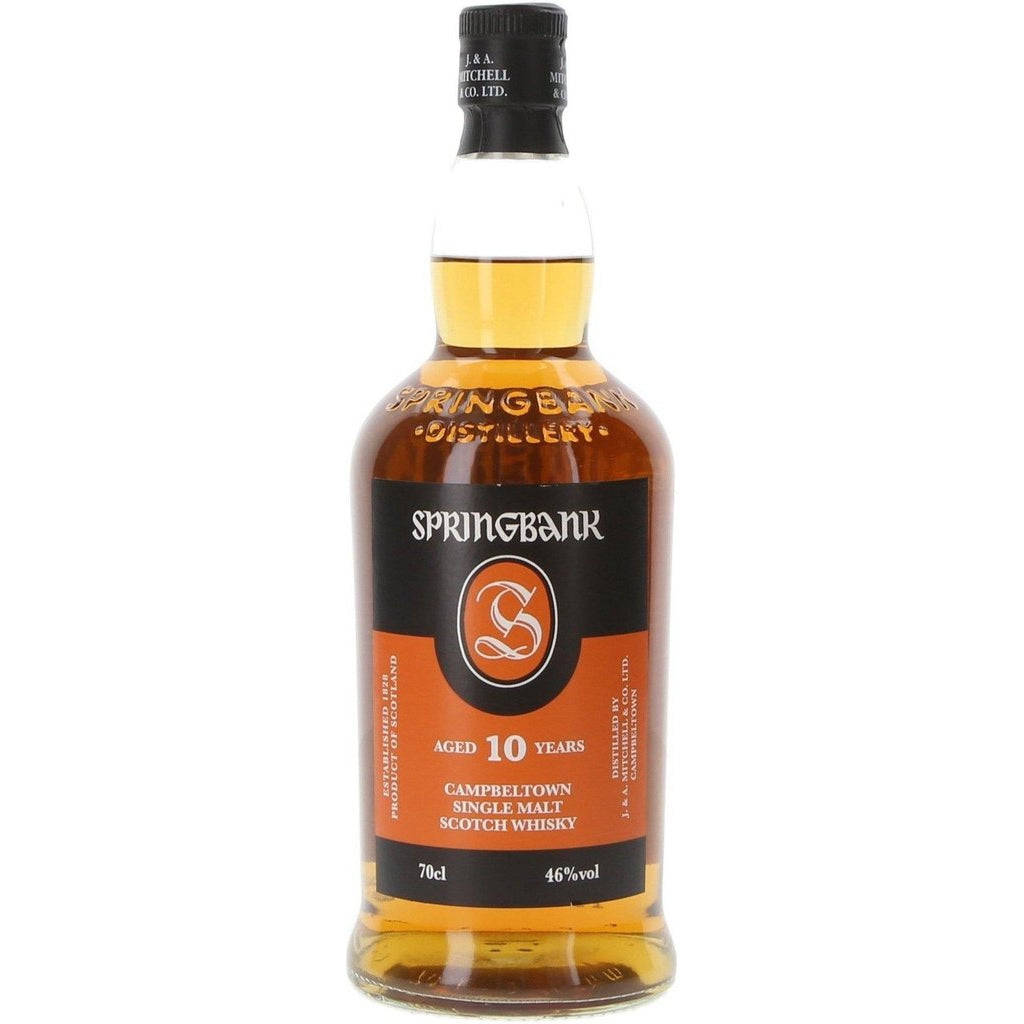
A quintessential example of balanced cask maturation creating depth and character.
This expression demonstrates how thoughtful vessel selection contributes to overall spirit quality and consumer appreciation. The distillery's commitment to traditional methods and appropriate cask management ensures each bottle reflects years of dedication to excellence.
Summary and Key Takeaways
Former bourbon and former sherry wooden containers represent crucial maturation mediums shaping modern whisky character and quality. Understanding their distinct contributions enables consumers and producers to appreciate the craftsmanship inherent in spirits matured within these vessels. Ex-bourbon containers provide consistent, refined flavour development characterised by vanilla and caramel sweetness, whilst ex-sherry vessels deliver pronounced colour, complexity, and fruit-driven richness.
Key takeaways include recognising cask type influences through colour and flavour analysis, appreciating the investment required to source and maintain quality vessels, and understanding that exceptional whisky results from intentional cask selection and management. The premium pricing associated with ex-sherry expressions reflects genuine scarcity and technical complexity rather than arbitrary marketing.
Exploring diverse expressions matured in different cask types enriches whisky appreciation and personal preference development. Visit The Really Good Whisky Company's finest Scotch collection to discover how various cask maturation approaches influence available expressions. Alternatively, explore their independent bottlings to experience alternative perspectives on cask influence and spirit character.
Frequently Asked Questions
What exactly constitutes an ex-bourbon cask in whisky production?
An ex-bourbon cask refers to a wooden barrel previously used for American bourbon whiskey maturation for a minimum of two years under federal regulations. These containers, predominantly American white oak, cannot be reused for bourbon production in the United States, making them available for secondary maturation in other whisky-producing regions. The residual bourbon flavours, coupled with fresh oak extraction, create the distinctive character associated with ex-bourbon matured whiskies.
How do ex-sherry casks differ from ex-bourbon vessels in terms of flavour contribution?
Ex-sherry wooden containers previously housed Spanish fortified wine, embedding sherry's tannins, colour compounds, and fruit characteristics into the oak structure. When whisky matures in these vessels, it absorbs sherry-derived flavours whilst extracting fresh oak compounds simultaneously. This dual interaction creates pronounced colour development, dried fruit notes, chocolate, and spice characteristics distinctly different from ex-bourbon maturation's vanilla and caramel emphasis.
Why do ex-sherry casks command significantly higher prices than ex-bourbon alternatives?
Ex-sherry wooden containers cost substantially more due to limited availability, as sherry producers utilise their vessels multiple times before retiring them. European oak, used for sherry vessels, also proves more expensive than American white oak. Additionally, the quality standards for sherry containers demand stricter sourcing and conditioning protocols. The superior flavour contributions and prestige associated with sherry maturation further justify premium pricing within the whisky industry.
Can distillers refresh or rejuvenate tired ex-bourbon and ex-sherry casks?
Yes, skilled cooperages employ specialised techniques to extend cask longevity and performance. These methods include removing tired interior wood layers through scraping, reinstating charring profiles, and steaming to restore wood flexibility. Rejuvenated vessels perform differently than newly conditioned containers, offering subtle rather than pronounced cask influence. This practice reduces waste, maintains supply reliability, and allows distilleries to manage production costs whilst preserving quality standards.
How can consumers identify whether whisky has been matured in ex-bourbon or ex-sherry vessels?
Colour provides an immediate visual indicator; ex-sherry expressions display deeper amber, mahogany, or ruby hues, whilst ex-bourbon typically presents lighter gold or pale amber tones. Nosing reveals distinct characteristics, with ex-sherry emphasising dried fruit, raisin, and chocolate notes, and ex-bourbon highlighting vanilla, caramel, and wood spice. Producer labelling offers definitive confirmation, as legitimate distilleries transparently document cask types used during maturation.
About the Author
Whisky Expertise and Background
This article has been developed with contributions from whisky specialists and industry professionals associated with The Really Good Whisky Company. The author brings extensive knowledge regarding spirits maturation, cask management, and whisky production methodologies developed through years of distillery research and consumer education. A commitment to accuracy, transparency, and accessible whisky knowledge guides all contributions to this publication. Expertise encompasses cask selection, flavour development processes, and the technical factors influencing spirit quality across diverse global regions. The author remains dedicated to elevating whisky appreciation through comprehensive, evidence-based content that serves both enthusiasts and curious newcomers to this sophisticated category.
0 comments