

Updated on: 17 March 2026
Discovering premium single malt whisky requires understanding what distinguishes excellence from mediocrity. This comprehensive guide explores the characteristics that define high-quality single malt, reveals common misconceptions about production and ageing, and provides practical steps for selecting bottles that deliver exceptional value and flavour. Whether you are a seasoned collector or an enthusiastic novice, this article equips you with the knowledge to make informed purchasing decisions and appreciate the craftsmanship behind every dram.
Table of Contents
- Myths versus Facts About Premium Single Malt
- Step-by-Step Guide to Selecting Quality Single Malt
- Understanding Production and Distillation Methods
- Tasting Notes and Flavour Profiles
- Frequently Asked Questions
- Questions and Answers
- Summary and Key Takeaways
Myths versus Facts About Premium Single Malt
The world of whisky is filled with persistent misconceptions that mislead consumers and cloud their purchasing decisions. Understanding the difference between myth and reality empowers you to evaluate bottles with confidence and appreciate the genuine factors that contribute to quality.
Myth: Age statements guarantee superior quality in every instance.
Fact: Whilst maturation plays an important role in developing flavour complexity, age alone does not determine excellence. A well-crafted 12-year-old expression may surpass a poorly aged 25-year-old. Distillery reputation, cask quality, and production methods matter significantly. Variables such as cask type, storage conditions, and the inherent character of the spirit influence the final product more than years in wood alone.
Myth: Expensive bottles always taste superior to affordable alternatives.
Fact: Price reflects many factors beyond taste, including rarity, brand heritage, packaging, and demand. Many exceptional expressions at mid-range prices deliver outstanding flavour and value. Collectors and investors sometimes inflate prices for limited releases, but flavour quality does not scale proportionally with cost.
Myth: All scotch single malt originates exclusively from Scotland.
Fact: Scotch must be produced in Scotland, yet high-quality single malt whisky is crafted globally. Japan, Ireland, and other regions produce world-class expressions. Explore world whiskies to discover exceptional alternatives beyond traditional Scottish offerings.
Myth: Colour indicates age and quality.
Fact: Producers often add caramel colouring to ensure consistency across batches. Natural colour varies based on cask type and maturation duration. A darker spirit does not necessarily indicate superior quality or extended ageing. Evaluate appearance as one element among many, not as a definitive quality marker.

Golden and amber hues reflect diverse cask types and maturation influences.
Step-by-Step Guide to Selecting Quality Single Malt
Navigating the selection process becomes straightforward when you follow a systematic approach. These practical steps transform abstract quality concepts into actionable criteria.
Step 1: Identify Your Flavour Preferences
Before exploring specific bottles, determine your palate inclinations. Do you prefer lighter, floral notes or heavier, peated characteristics? Smoky or fruity profiles? Sweet or dry finishes? Understanding your preferences narrows options significantly and ensures purchases align with your tastes. Sample various styles at whisky bars or attend tasting events to discover what resonates with your palate.
Step 2: Research Distillery Reputation
Established distilleries maintain consistent production standards and demonstrate commitment to quality. Investigate a distillery's heritage, production methods, and critical reception. Read independent reviews from respected whisky publications and experienced tasters. Distilleries with transparent communication about their processes typically deliver reliable quality.
Step 3: Examine Cask Information
The cask type profoundly influences flavour development. Expressions aged in ex-bourbon casks develop different characteristics than those matured in sherry casks. Sherry cask expressions typically offer richer, fruitier notes, whilst bourbon cask variants present lighter, vanilla-forward profiles. Check labels for cask type information, as this indicates intentional flavour design.
Step 4: Consider Age Statements and Non-Age-Statement Expressions
Age statements provide clarity regarding minimum maturation duration. Non-age-statement bottles offer flexibility, allowing distillers to blend spirits of varying ages for optimal flavour balance. Both categories can deliver excellence. Age statements suit those seeking transparency; non-age-statement expressions appeal to those prioritising flavour consistency and value.
Step 5: Assess Bottling Strength
Cask strength and standard strength expressions serve different purposes. Cask strength offerings deliver greater complexity and intensity, appealing to experienced enthusiasts. Standard strength expressions provide accessibility and approachability for newcomers. Neither is inherently superior; choice depends on personal preference and experience level.
Step 6: Read Tasting Notes and Reviews
Examine professional tasting notes from credible sources. Detailed descriptions of aroma, palate, and finish provide insight into what you will experience. Cross-reference multiple reviews to identify consistent observations. Avoid relying solely on marketing descriptions; seek independent evaluations from experienced tasters.
Step 7: Purchase from Reputable Retailers
Authorised retailers maintain proper storage conditions and guarantee authenticity. They possess product knowledge and offer guidance. Avoid suspiciously discounted bottles from unfamiliar sources, as counterfeit products exist. Reputable single malt scotch whisky selections ensure quality assurance and customer support.
Understanding Production and Distillation Methods
Quality production begins long before liquid reaches your glass. Understanding the production journey enhances appreciation and informs purchasing decisions.
Single malt production begins with malting, where barley grains are soaked, allowed to germinate, and then dried. This process converts starches into fermentable sugars. Peat usage during drying introduces smoky characteristics; peatless drying produces lighter expressions. Peating levels vary dramatically, affecting flavour intensity.
Mashing follows malting, where dried malt mixes with hot water to extract sugars. Fermentation converts these sugars into alcohol through yeast activity, typically lasting 48 to 96 hours. Extended fermentation can produce fruity esters and complex flavours. Distillation then separates alcohol from water and other compounds through heating and cooling cycles.
Copper pot still distillation remains the traditional method, offering superior control and flavour development. The shape and size of stills influence spirit character. Taller stills produce lighter spirits; shorter stills yield heavier, more robust expressions. Distillers make multiple distillation passes, collecting only the purest "heart" fraction whilst discarding heads and tails.

Copper pot stills and distillation vessels craft flavour complexity through precise heating control.
Following distillation, spirit enters casks for maturation. Oak interacts with spirit, introducing colour, flavour, and texture. First-fill casks (previously unused) impart stronger oak influence. Refill casks offer subtler wood interaction. Warehouse position, temperature fluctuations, and humidity affect maturation speed. Proper maturation facilities maintain conditions supporting quality development.
Tasting Notes and Flavour Profiles
Developing tasting competency enriches your appreciation and guides selections. Approach tasting systematically, evaluating appearance, nose, palate, and finish sequentially.
Appearance assessment notes colour depth and clarity. Observe if light passes through the liquid; haziness suggests potential issues. Swirl gently and note leg patterns—thicker legs indicate higher alcohol or oil content.
Nosing (smelling) requires patience. Bring the glass near your nose without inhaling directly, allowing aromas to register. Identify primary notes first: fruit, grain, wood, smoke. Secondary notes emerge with continued exposure. Some aromas reveal themselves only after a few minutes of air contact.
Palate evaluation involves taking small sips and moving liquid across your tongue. Notice initial impressions, mid-palate development, and evolving flavours. Water addition can open aromas and reveal hidden characteristics. Many tasters add a few drops of water to expressions, reducing alcohol burn and enhancing flavour perception.
Finish describes lingering sensations after swallowing. Note whether flavours fade quickly or persist. Identify the dominant closing note—sweetness, spice, smoke, or wood character. Long, complex finishes typically indicate quality craftsmanship.
Frequently Asked Questions
What distinguishes high-quality single malt from standard expressions?
Premium single malt demonstrates complexity across multiple tasting dimensions, consistency batch to batch, and flavour depth that evolves during the tasting experience. Quality expressions balance various flavour elements harmoniously without one dimension overwhelming others. Distillery reputation, production transparency, and critical acclaim provide reliable quality indicators.
Should I invest in bottles as collectibles, or should I purchase for personal enjoyment?
Personal enjoyment ensures you derive immediate pleasure from your purchase. Collectible investments require storage expertise, insurance consideration, and market knowledge. Many enthusiasts balance both approaches, purchasing some bottles for drinking and others for collection potential. Prioritise quality and authentic interest over speculation.
How should I store my high-quality single malt to preserve quality?
Store bottles upright in cool, dark locations away from direct sunlight. Maintain consistent temperatures; fluctuations damage cork integrity and accelerate oxidation. Humidity should remain moderate—excessively dry air dries corks, whilst excessive moisture promotes label degradation. Avoid kitchen cabinets near heat sources or exterior walls. Proper storage preserves quality for decades.
Questions and Answers
Why do some single malts cost significantly more than others with similar age statements?
Multiple factors influence pricing beyond age. Brand heritage, distillery location, production volume, demand levels, and market positioning all affect cost. Limited releases command premium prices. Awards and critical acclaim drive consumer interest, elevating prices. Rarity and collectibility also influence valuations. Understanding these dynamics helps you identify genuine value rather than paying for brand prestige alone.
Can I confidently recommend high-quality single malt to friends with varying whisky experience?
Yes, by selecting appropriately. For newcomers, recommend approachable expressions without excessive peat or alcohol intensity. Lighter, fruity profiles with standard strength alcohol provide pleasant introductions. For experienced enthusiasts, suggest complex expressions with pronounced characteristics. Our finest scotch selections include options across experience levels, ensuring suitable recommendations for any palate.
How do I identify genuine versus counterfeit premium bottles?
Purchase exclusively from authorised retailers to eliminate counterfeiting risk. Examine bottles closely for quality in labelling, bottle construction, and liquid appearance. Authentic bottles display consistent label printing and professional finishing. Investigate distillery contact information and verify retailers through official channels. Counterfeit operations rarely match legitimate production quality in these details.
Featured Product
Springbank 10 Year Old Single Malt Scotch Whisky – 70cl 46%
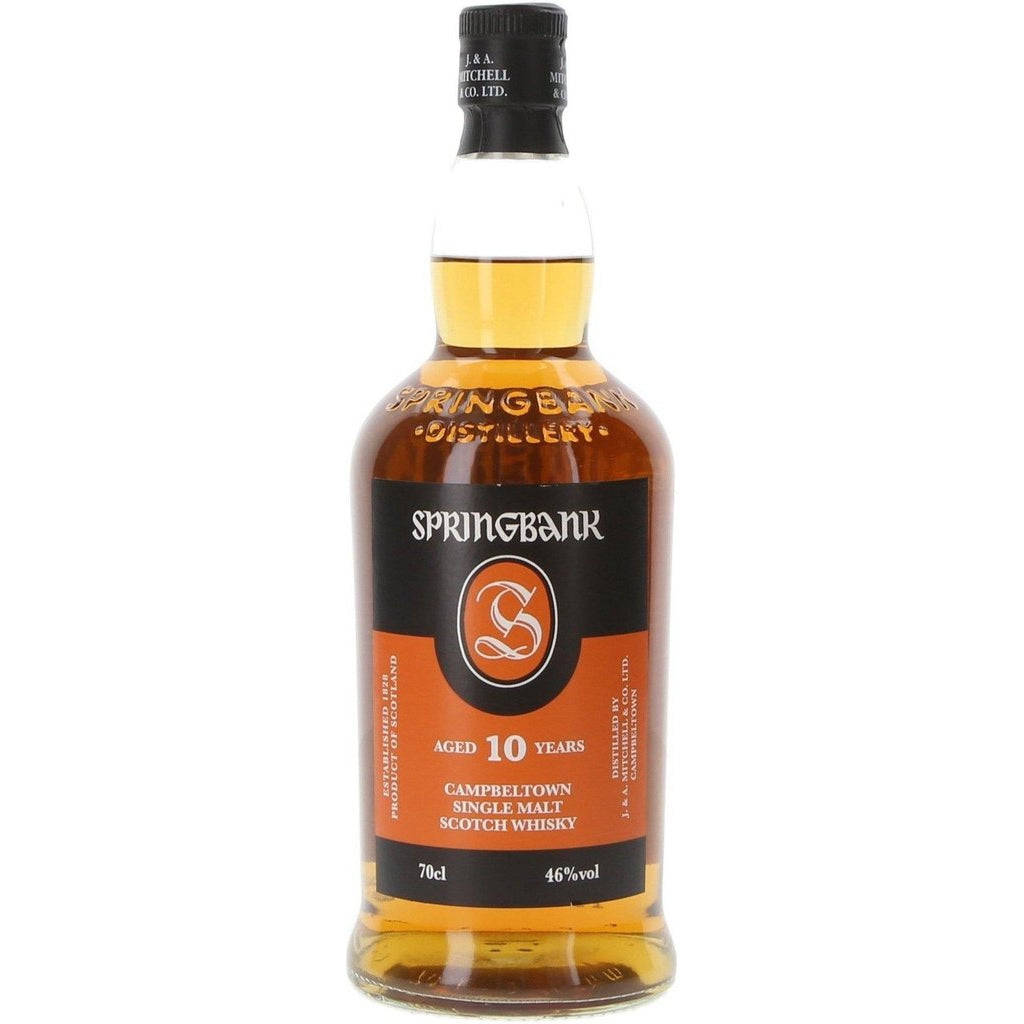
Springbank exemplifies Campbeltown excellence with its maritime character and complex flavour profile. This expression demonstrates how traditional production methods and careful maturation create exceptional depth. Notes of sea salt, orchard fruits, and subtle smoke develop throughout the palate, delivering a satisfying finish that lingers pleasantly. Springbank's reputation among connoisseurs reflects consistent quality and distinctive character that justifies its premium standing among contemporary releases.
Summary and Key Takeaways
Selecting high-quality single malt requires moving beyond age statements and price points to evaluate genuine quality indicators. Distillery reputation, production transparency, cask information, and tasting characteristics provide reliable assessment frameworks. Understanding production methods enhances appreciation whilst developing personal tasting competency transforms purchasing from guesswork into informed decision-making.
Premium expressions balance complexity with accessibility, offering layers of flavour that reward careful attention. Whether you prioritise personal enjoyment or investment potential, applying these principles ensures satisfaction. Start with expressions from respected distilleries within your preferred flavour profile, gradually expanding your exploration as your palate develops.
Visit our peated whisky collection to explore diverse styles and discover your next favourite expression. Quality single malt awaits those willing to engage thoughtfully with the selection process.
About the Author
I am a whisky specialist with The Really Good Whisky Company, bringing extensive knowledge of global whisky production and flavour evaluation. My passion for premium spirits guides consumers through complex selection decisions, transforming whisky appreciation from intimidating exploration into accessible enjoyment. I believe every enthusiast deserves guidance toward exceptional bottles that deliver genuine satisfaction, regardless of experience level. Cheers to your whisky journey.
0 comments