

Updated on: 2026-07-17
Choosing single malt for enthusiasts is about more than the name on the label. It is a disciplined way to explore flavour, craft and consistency across whisky regions. With the right approach, tasting becomes structured and far more enjoyable. This guide explains what to look for, how to taste, and how to buy with confidence. You will also find practical answers to common questions from both new and experienced collectors.
- Buyer’s Checklist
- Step-by-Step Guide
- The Flavour Framework: What to Expect
- How to Taste Like a Connoisseur
- Buying Strategies for Single Malt for Enthusiasts
- Serving and Storage Essentials
- FAQ
- Closing Thoughts & CTA
- About the Author
Buyer’s Checklist
Before you purchase, use a short checklist to reduce regret and increase satisfaction. Single malt can vary widely in intensity, sweetness, smoke level and finish length. A methodical approach helps you match a bottle to your palate and your budget.
- Confirm the style: Check whether the whisky is Highland, Lowland, Speyside, Island, or from another producing region.
- Review cask information: Matured in sherry, bourbon, wine, or other cask types typically signals a clear flavour direction.
- Look at strength and bottling: Higher strengths often show more texture, while lower strengths can feel lighter and more approachable.
- Assess age statements carefully: Age can guide expectations, but not every bottling follows the same maturation profile.
- Check bottler type: Independent bottlings may prioritise specific casks, while core releases may aim for broader consistency.
- Choose a tasting intent: Decide if you want exploration, a dependable daily pour, or a special bottle for gatherings.
If you want to browse by category, start with curated selections such as single malt scotch whisky. For enthusiasts who compare styles across borders, regional collections can be equally useful.

Clinking glasses, tasting cards, tasting notes icons
Step-by-Step Guide
Use the following process the next time you evaluate a new bottle. It keeps your decisions grounded in flavour, not marketing language. Over time, it also improves your ability to spot quality differences.
-
Smell first, then commit to a direction
Take a short inhale, then a second, slower one. Note whether the aroma leads with fruit, spice, grain sweetness, smoke, or oak. -
Identify the dominant cues
Aroma and taste often repeat a pattern. For example, a rich fruit-led nose usually aligns with a smoother, sweeter palate. -
Evaluate texture
Consider how the whisky sits on the tongue: silky, creamy, drying, oily, or crisp. Texture is often a stronger signal than single tasting notes. -
Assess the finish
Check how long the flavour lingers and whether it shifts toward spice, smoke, dryness, or toasted oak. -
Test with water if appropriate
A small addition can reveal hidden layers. If you use water, do so consistently and taste again from the start. -
Match to occasion
Choose lower-intensity bottles for relaxed evenings and higher-intensity options for focused tastings.
The Flavour Framework: What to Expect
Single malt for enthusiasts often begins with curiosity about flavour sources. While each bottle is unique, most expressions follow predictable patterns driven by cask type, maturation environment and distillation character. Learning the framework makes tasting feel clearer, not accidental.
1) Cask influence
Many bottlings show a strong relationship between cask origin and final profile. Sherry-seasoned maturation frequently introduces dark fruits, dried fruit sweetness, and warm spice. Bourbon cask maturation often highlights vanilla, soft oak, and lighter honeyed notes. Wine casks can add layered fruit, floral impressions, or a more vibrant sweetness, depending on the base spirit and finishing time.
2) Region and distillation character
Regions can guide expectations but should not replace tasting. Speyside expressions commonly lean toward orchard fruit and gentle spice. Highland styles may present more complexity and a broader range of texture. Island whiskies may include peat and marine salinity cues, often paired with smoky sweetness.
3) Age versus balance
Age can correlate with integration. However, balance remains the primary measure. A younger whisky that shows lively aroma, clean oak, and coherent fruit may outperform an older bottle that feels overly drying or heavy. Always judge harmony first, then intensity.

Colour swatches for cask types and aroma circles
How to Taste Like a Connoisseur
Tasting is not an exam. It is a repeatable practice that trains attention. If you taste the same way each time, your notes become more consistent and your buying decisions improve.
A simple tasting sequence
- Glass and pour: Use a clean glass and a moderate pour. Keep your sample at room temperature.
- Nose: Start with a light swirl, then a deeper inhale. Do not rush the first impression.
- Palate: Take a small sip and let it move across the tongue. Avoid immediate swallowing; listen for texture.
- Finish: Note what remains after the sip. Is it fruit, oak, smoke, or spice?
Common flavour signals to track
Enthusiasts often find it easier to group notes into a few recurring signals:
- Sweetness: Honey, caramel, vanilla, or orchard fruit sweetness.
- Spice: Cinnamon, nutmeg, clove-like warmth, or peppery edges.
- Oak presence: Toasted wood, dry tannins, and integrated vanilla.
- Smoke and peat: Charred wood, ash, coastal notes, and smoky sweetness.
- Dryness: A drying finish can be attractive if it stays balanced.
When notes change after adding water, treat that as useful information. Water can shift the whisky toward softer fruit, clearer spice, or more distinct oak. The aim is not to dilute; it is to reveal structure.
Buying Strategies for Single Malt for Enthusiasts
When you buy, you are also building a personal map of preference. A disciplined strategy reduces impulse purchases and increases the chance that each bottle earns a place in your rotation. The most effective approach is to buy with a purpose and then refine your taste over time.
Strategy 1: Choose a lane, then experiment
Start with one or two flavour lanes. For example, you might prefer sherry-influenced richness or smoky, peat-led character. Once your baseline is clear, experiment with adjacent styles. Move gradually rather than jumping across extremes.
Strategy 2: Use curated collections for faster selection
Collections can help you narrow choices without losing variety. If you prefer core scotch styles, browse our finest scotch. If you want to compare maturation methods, look for cask-led categories and finish-led selections.
Strategy 3: Add one “anchor bottle” to your cupboard
An anchor bottle is a dependable expression that matches your palate. It allows you to judge new purchases against a reference point. When friends visit, the anchor becomes a conversation starter because it sets expectations.
Embedded product for natural context
Springbank 10 Year Old Single Malt Scotch Whisky - 70cl 46%
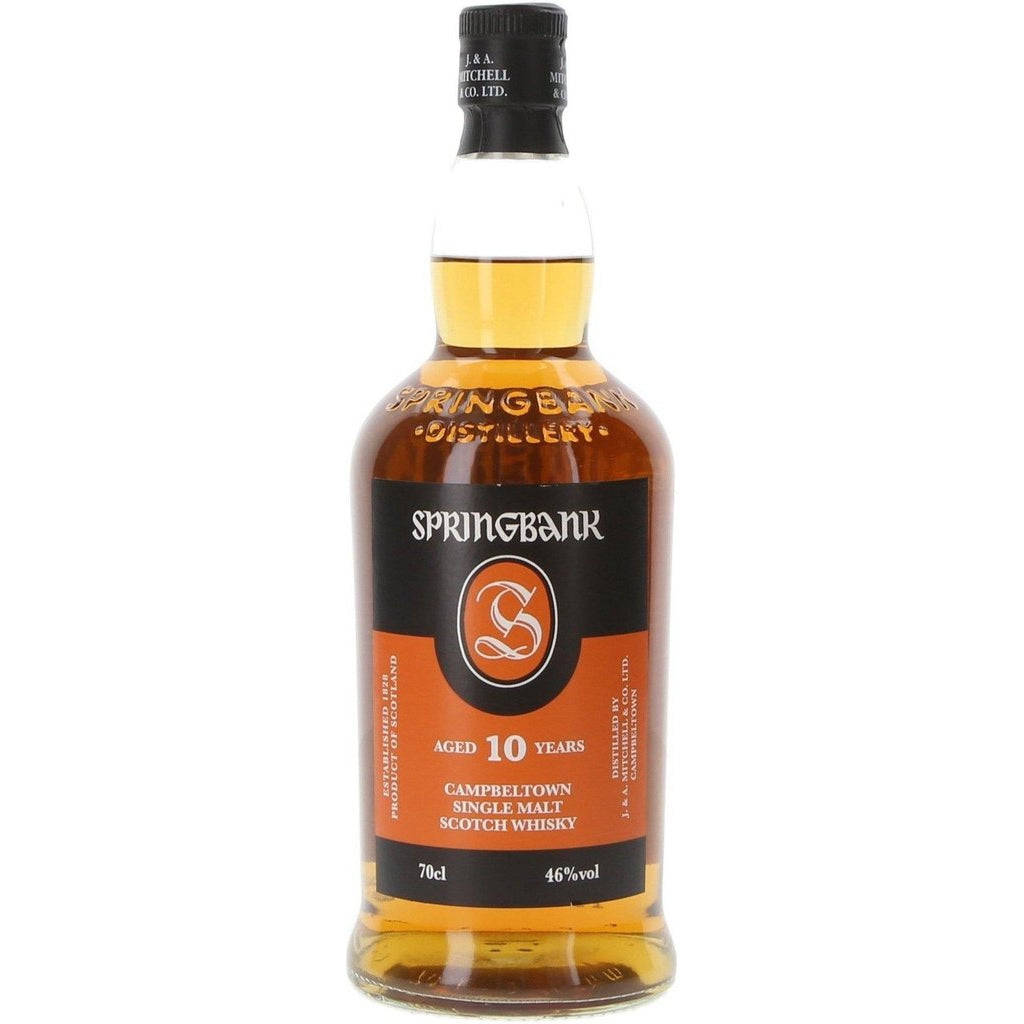
For those who want a more assertive, structured pour, a higher strength bottling often supports deeper aromatics and a more pronounced finish. Strength is not automatically better, but it can improve clarity when you taste attentively.
Serving and Storage Essentials
Good whisky handling protects the experience. Single malt for enthusiasts are often sensitive to changes in aroma, especially after the bottle has been opened. Use the guidance below to keep the whisky stable and enjoyable.
Serving temperature
Room temperature typically allows aromas to open naturally. If the whisky is very cold, fruit and oak cues can feel muted. If it is too warm, alcohol may dominate the nose. Aim for a stable, comfortable drinking temperature.
Glass choice and airflow
A tulip-shaped glass supports concentrated aromatics. Avoid glasses with narrow openings that trap heat too aggressively. After pouring, give the whisky a few minutes to settle.
Storage conditions after opening
- Store upright when possible: This helps limit contact with the cork headspace.
- Keep away from direct sunlight: UV light can degrade delicate aromatics.
- Minimise temperature swings: Consistency reduces risk of subtle flavour drift.
- Recap promptly: Air exposure can gradually shift freshness.
If you host tastings, plan small pours. Repeated long sessions with the bottle open can affect the character over time. Pre-pour samples into glasses for guests, then close the bottle between rounds.
FAQ
What makes single malt different from other whisky categories?
Single malt is produced from malted barley and distilled at a single distillery. It is then bottled as a single malt expression, which tends to preserve the distillery’s signature character. That clarity makes single malt a strong choice for structured tasting, because you can more easily trace flavour to production style and maturation.
How should I choose my first bottle as a single malt for enthusiasts buyer?
Select a profile aligned with your taste preferences. If you enjoy fruit-forward sweetness, start with cask styles that typically show orchard or dark fruit character. If you prefer smoky depth, look for peat-forward expressions. When in doubt, prioritise balance: a bottle with coherent aroma, clear texture, and a satisfying finish is often the best entry point.
Is age always the best indicator of quality?
No. Age can influence integration and oak influence, but it does not guarantee better balance. A younger bottle may show higher aromatic clarity and a livelier palate, while an older bottle may feel softer or drier depending on maturation choices. Quality is best judged by harmony, texture, and finish length during tasting.
Should I add water when tasting single malt?
It depends on the bottling and your preference. Many higher-strength whiskies benefit from a small addition because it can open aromas and soften harsh edges. If you add water, do it in a controlled manner and taste again. Keep notes on how the whisky changes, since those shifts can guide future purchases.
Closing Thoughts & CTA
Single malt for enthusiasts rewards a thoughtful, repeatable approach. When you match cask direction to your palate, taste with structure, and buy with intention, each bottle becomes part of a coherent experience. If you want to expand your range, explore cask-led categories and compare expressions across regions and finishes. For curated inspiration, visit single malt scotch whisky and refine your next choice from there.
About the Author
The Really Good Whisky Company supports whisky education and careful selection through practical tasting guidance and a focus on quality sourcing. Their expertise spans single malt character, cask-driven flavour, and the discipline of evaluating balance and texture. If you are building a personal whisky library, start with a clear tasting intent and let each experience refine your preferences. Thank you for reading, and we wish you consistently rewarding pours.
Disclaimer: This article is for general guidance and does not make claims about health outcomes. Individual experiences may vary, and whisky availability and product details can change over time.
0 comments