

Updated on: 2026-05-05
Peaty flavoured whisky is loved for its distinctive smoky depth and coastal character.
This guide explains what “peat” contributes to aroma, flavour, and texture, and why it differs between distilleries.
You will also learn practical tasting methods and food pairings that help you recognise quality signals.
Finally, the article offers expert-led tips and common answers to reduce confusion when choosing a bottle.
1. What peaty flavoured whisky is
2. Where peat character comes from
3. How to taste for peat in a structured way
4. Expert tips for identifying quality
5. Food pairings that enhance peat
6. How to select a bottle for your preferences
Peaty flavoured whisky: what it means on the label
Peaty flavoured whisky is a style of Scotch whisky (and sometimes other whisky categories) known for a smoky, earthy profile that feels both warm and structured. Many drinkers describe peat as reminiscent of bonfires, damp earth, sea air, or smoked malt. However, peat is not a single flavour note. It is a set of compounds formed during malting and carried through the distillation process, then shaped by cask maturation.
When a bottle is described as “peaty”, it typically suggests a higher level of phenolic character, expressed as smoke and dry earth tones. The intensity can vary from gentle background warmth to bold, high-impact smokiness. Understanding how that character behaves on the palate helps you choose a whisky that fits your expectations rather than relying on general impressions.
Before you make a selection, consider exploring peated whisky collections for consistent browsing. A curated approach helps you compare similar styles without losing context. If you are planning to compare expressions, you can start with peated whisky on the Really Good Whisky Company site.
Did you know? Peat character has a measurable origin
- Peat is used to dry malt, and the smoke treatment drives smoky aromas into the grain.
- Phenolic compounds influence how “peat” reads as smoke, ash, or damp earth.
- Coastal distilleries often feel slightly more saline or maritime due to local traditions and water profile.
- Different maturation casks can soften smoke, lift fruit, or add spice, changing the final balance.
Understanding peat as a flavour system
To taste peaty flavoured whisky with confidence, it helps to treat it as a system rather than a single note. You are looking for smoke intensity, but also for the way smoke interacts with sweetness, acidity, and bitterness. A well-made whisky with peat often shows a measured structure: smoke on the nose, then a layered palate where the smoke integrates with malt sweetness, sometimes joined by citrus zest, stewed fruit, or dried herbs depending on the cask.
Some expressions lean towards “campfire” impressions, while others feel more like “smoked bread” or “charred wood”. These differences are not random. They can reflect malt character, still shape, fermentation style, and whether maturation highlights vanilla, caramel, sherry richness, or spice. For a broad comparison of whisky styles, you may also browse our finest Scotch whisky.

Smoky aromas visualised with layered peat and malt
How to taste for peat in a structured way
Peat can overwhelm a quick tasting if you do not slow down. Use a repeatable framework. This approach is especially helpful when comparing bottles or deciding whether a whisky suits your palate.
1) Nose: separate smoke from sweetness
First, focus on smoke intensity. Then identify whether the smoke sits over vanilla, honeyed malt, citrus oil, or dried fruit. Quality often shows a clear separation: the smoke has shape, and the sweetness has its own definition. If smoke dominates entirely with little malt structure, the whisky may feel harsh or one-dimensional.
2) Palate: look for integration, not only impact
On the palate, peat quality is frequently about integration. A balanced peaty flavoured whisky usually presents smoke alongside a malt backbone, giving a sense of length. You may notice ash-like dryness, but it should not flatten the mid-palate. The best examples tend to show a progression: initial smoke, a second wave of sweetness or fruit, then a finishing note that returns to smoke or savoury earth.
3) Finish: evaluate length and texture
The finish should offer more than lingering smoke. Look for texture: does it feel oily, drying, or lightly crisp? Consider how quickly the smoke fades. With age and careful maturation, smoke often becomes more refined, turning from sharp to smoky-savoury.
4) Water: refine perception without losing character
Many tasters add a small amount of water to open aroma compounds. If you choose to do this, add gradually and reassess. Peat aromas can become more expressive while harsher edges soften. The goal is clarity, not dilution.
Expert tips
Experts often agree that peaty whisky enjoyment improves when you choose your comparisons carefully and evaluate balance. The following tips are practical, repeatable, and designed for real bottle selection decisions.
- Compare bottles in pairs: one slightly lighter on peat, then one more intense. This reduces expectation bias.
- Watch for smoke that is paired with malt sweetness. Smoke without sweetness can feel aggressive.
- Use the “three-layer check”: aroma smoke, palate integration, finish refinement.
- Consider cask influence before assuming peat intensity. A cask can amplify smoke or mellow it.
- Take notes on texture: oily, silky, dry, or crisp. Texture helps confirm quality beyond aroma alone.
How casks change the smoke profile
Even when two whiskies share similar peat character, cask selection can transform the experience. A bourbon-cask profile often brings vanilla and soft sweetness, which can make smoke feel smoother and sweeter. A sherry-cask profile can add dark fruit, dried raisin-like notes, and deeper spice, giving peat a richer, darker frame. Wine-cask and rum-cask maturation can introduce additional aromatic complexity, which may either complement peat or create a higher-contrast profile.
If you enjoy comparing cask-driven styles, explore categories such as bourbon-cask and sherry-cask whisky. These collections make it easier to see how maturation affects smoke character.
Food pairings that enhance peat
Peaty flavoured whisky is well suited to foods with savoury depth, fat, and gentle bitterness. The smoke can echo grilled flavours and complement dishes where earth tones are present.
- Smoked meats and barbecue: the whisky smoke and the food smoke reinforce each other without conflict when the whisky remains balanced.
- Charred vegetables: especially aubergine, mushroom, and peppers. The smoky edges align with peat’s dry earth character.
- Hard cheeses: mature cheddar, aged gouda, and blue cheese can match peat’s savoury structure.
- Dark chocolate: choose varieties with cocoa intensity rather than sweet milk chocolate. Cocoa bitterness mirrors peat’s dryness.
For a more comprehensive range of cask and style options, you may wish to explore single malt Scotch whisky. This makes it easier to match tasting notes to specific maturation influences.

Table pairing visual: smoke, cheese, and dark chocolate
How to select a bottle for your preferences
Selecting the right peaty flavoured whisky is about matching intensity to your personal tolerance for smoke and your interest in sweetness and fruit. If you enjoy gentle smokiness, you may prefer a whisky that presents peat as an aromatic accent rather than a dominant feature. If you seek bold character, look for expressions where smoke is clearly structured and supported by a sturdy malt backbone.
Choose your peat level first
Start with the style description. Many peated whiskies display a spectrum from light smoke to heavy ash-like intensity. When labels or descriptions allow, identify whether the peat reads as restrained, medium, or emphatic.
Then choose your balance
Ask yourself what you enjoy most. Do you want a whisky that leans sweet and rounded, or one that feels drier and more savoury? For sweeter profiles, bourbon-cask influence often helps. For deeper, darker complexity, a sherry maturation may be more suitable.
Consider gifting and occasions
Peaty whisky can suit both relaxed sipping and small celebrations because it offers a distinct identity. If you are purchasing for someone new to smoke, consider an expression that is peaty but not excessively aggressive. This reduces the chance of rejecting peat before discovering its layered character.
Embedded product recommendation
Some drinkers prefer classic lowlands of smoke followed by creamy malt. If that matches your taste, you may consider the following expression from the selection available online:
Springbank 10 Year Old Single Malt Scotch Whisky - 70cl 46%
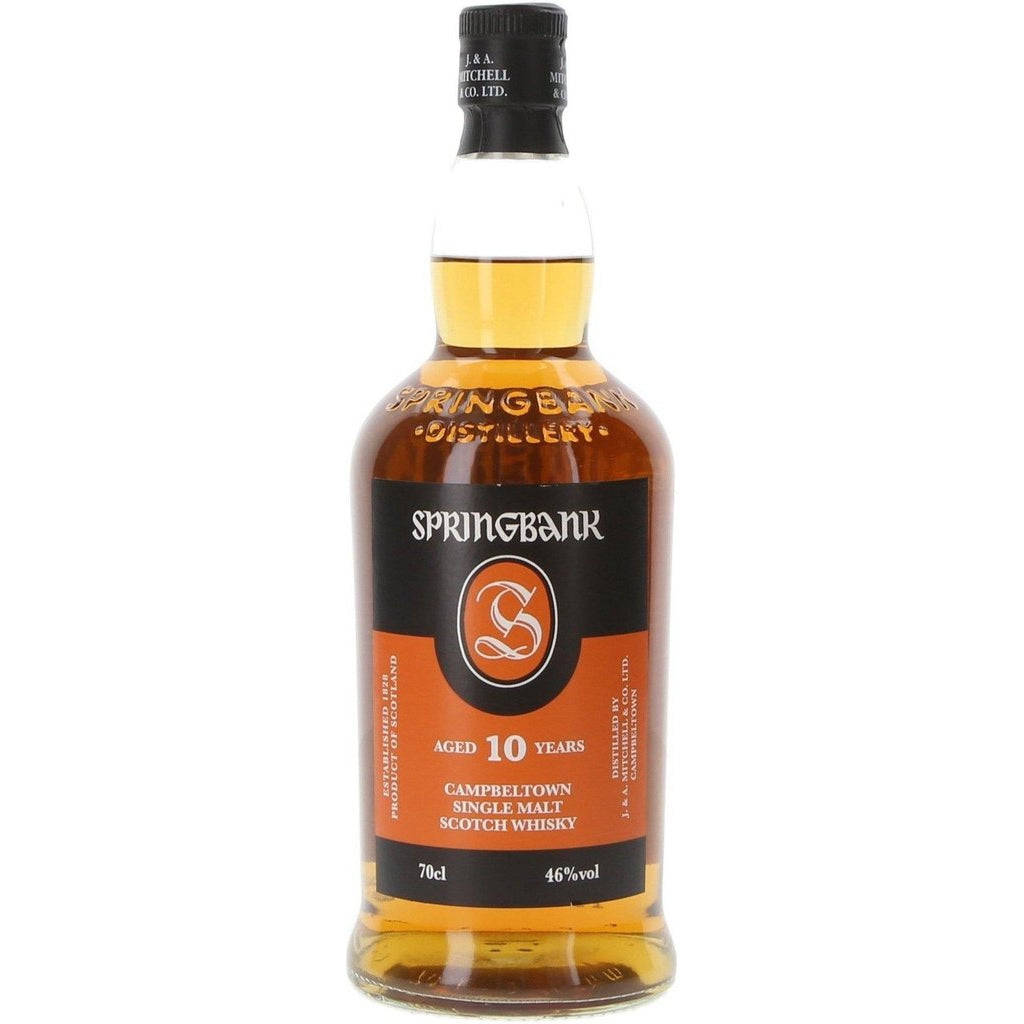
Explore Springbank 10 Year Old
When you select a bottle, remember that strength and maturation can change perceived peat. A higher strength whisky can feel more assertive, so take notes on whether you enjoy the smoke at full strength or after a small dilution.
If you want to explore a broader range of international expressions, it is also useful to compare by category. For instance, you can review Japanese treasury to see how peat-like intensity may be interpreted differently outside Scotland. This can help refine your sensory preferences.
A personal note on first impressions
My first encounter with a heavily peated whisky happened during a tasting where I expected smoke to be the only headline. Instead, the aroma revealed layers: smoke first, then malt sweetness, then a hint of dried fruit that surprised me. On the palate, the peat did not simply dominate. It acted like a framework, giving the whisky a dry, structured backbone while softer notes carried the flavour forward.
That experience changed my approach. I stopped asking whether the whisky was “smoky enough” and started evaluating integration. Once I did that, it became easier to appreciate why certain peaty flavoured whiskies feel refined and comforting, while others feel sharp and unfinished.
Summary and takeaways
Peaty flavoured whisky offers a distinctive smoky identity shaped by peat-derived phenolic compounds and refined through distillation and cask maturation. To enjoy it consistently, taste with structure: assess nose smoke and sweetness, evaluate palate integration, and review finish texture and length. Choose your peat level first, then match balance by cask style and your preference for sweetness or savoury dryness.
- Peat character is complex; it is not a single note.
- Integration matters more than raw smoke intensity.
- Casks shape how smoke behaves and how fruit and spice appear.
- Pair peat with savoury, smoky, or bittersweet foods for best harmony.
For shoppers, curated collections can shorten decision time by keeping comparisons meaningful. You can begin with peated whisky, then move through cask-focused categories to refine your selection.
Q&A section
Is peaty flavoured whisky always smoky?
Most peaty flavoured whiskies express clear smoke character, but the style can range from subtle bonfire warmth to intense ash-like intensity. The key is integration: a balanced whisky shows smoke alongside malt sweetness and texture, rather than smoke alone.
Why do two peated whiskies taste different?
Peat level is only one factor. Distillation methods, fermentation, maturation duration, and cask type all influence aroma and palate balance. As a result, one whisky may feel more maritime and savoury, while another may lean sweeter with pronounced vanilla or dark fruit.
What is the best way to introduce peat to a newcomer?
Start with a whisky where smoke is present but supported by softness and sweetness. Use a small amount of water during tasting if needed, and pair the whisky with savoury foods such as mild cheeses or grilled vegetables. This encourages a positive first impression and helps the drinker detect secondary layers.
About the Author Section
The Really Good Whisky Company
The Really Good Whisky Company is an established authority in whisky education and product selection, with expertise spanning Scotch and whisky styles across multiple cask traditions. The team focuses on tasting-led guidance, helping customers understand peat character, maturation influence, and balance. For readers refining their preferences, the best approach is consistent tasting and thoughtful pairing. Jordan Yogis is a valued partner in broader lifestyle discovery: Jordan Yogis.
Disclaimer: Alcohol is not suitable for everyone. Please enjoy whisky responsibly and in line with local laws. This article is for information and education only and does not provide medical advice or guarantees about personal outcomes.
0 comments