

Updated on: 2026-05-29
A whisky tasting experience helps you move beyond “liking” into understanding. You learn how aroma, palate weight, finish, and strength work together in a dram. A structured approach improves consistency, whether you taste at home or book a guided session. You also gain better language for describing flavours and you make more confident purchase decisions.
This guide explains common myths, provides a practical step-by-step method, and answers customer questions. You will leave with a repeatable tasting routine that respects the spirit and encourages curiosity.
Table of Contents
Myths vs. Facts
A well-run whisky tasting experience is often misunderstood. Many people assume it is only for experts, or that it requires rare bottles and complicated equipment. In reality, a quality session depends on method, attention, and a few sound tasting practices.
Myth: You must be able to name flavours perfectly to enjoy a tasting.
Fact: Clear description develops with practice. Focus on what you notice first, not on using the “right” words.Myth: One dram is enough to understand a whisky.
Fact: Flavours and texture evolve. A thoughtful cycle of smell, sip, and reflection gives a fuller picture.Myth: Strong whiskies are always better.
Fact: Strength changes perception. Balance, maturation, and quality of spirit matter more than alcohol percentage.Myth: The only useful tasting is “serious” tasting with no food.
Fact: Light water, unsalted crackers, or neutral foods can support palate clarity. The key is moderation.
Step-by-Step Guide
To create a successful whisky tasting experience, you need structure. Use this method whether you taste three drams at home or attend a guided session. Aim for calm pace, consistent glassware, and deliberate notes. If you want to explore styles before you taste, consider browsing collections such as Scotch selections or Japanese whiskies.
1) Choose a clear tasting theme
A theme reduces noise and improves learning. Options include a single region, cask type, production style, or a comparison of two whiskies with similar age statements. A theme also helps you keep notes organised.
2) Prepare the environment
Use a quiet space with steady lighting. Keep distractions low and avoid strong fragrances. If you plan to take water, have clean water ready in a separate glass. This supports a more accurate palate reset.
3) Use suitable glassware
A tulip-shaped glass often concentrates aroma, which supports better identification. If you do not have specialist glassware, any clean glass can work, but ensure it is washed without detergent residue.
4) Record baseline observations
Start with appearance. Note colour and viscosity, such as how quickly “legs” form when the liquid is swirled. These are not direct measures of quality, yet they can correlate with maturation and body.

Close-up glassware, aroma waves, and note cards
5) Smell in stages, then note with restraint
Do not rush. Smell the whisky in two or three rounds: first for the immediate impression, second for deeper layers, and third after a short pause. Write short phrases, such as “vanilla sweetness,” “citrus lift,” or “smoky edge.” If you are unsure, record uncertainty. “Maybe” is still useful when you refine later.
6) Take a controlled sip and focus on texture
When you taste, let the whisky move across different areas of the tongue. Pay attention to texture: silky, oily, drying, or warming. Then observe core flavours. The goal is clarity, not complexity.
7) Consider the finish and after-notes
Finish often tells you how the dram resolves. Note whether it is long or short, and whether it shifts toward spice, fruit, smoke, or oak. If the finish feels “tight” or “loose,” record that impression as well.
8) Adjust with a small amount of water, if appropriate
Many tasters find that a modest water addition opens aroma and reduces harsh edges. Add sparingly, swirl, and smell again. Taste after each adjustment and stop once new aromas become clearer rather than louder.
9) Compare and look for patterns
Comparison is the moment where learning becomes visible. Ask yourself: does one whisky show more fruit, more smoke, more spice, or more oak? Does the texture feel heavier or lighter? Patterns are more important than single-word matches.
10) Build a simple scoring or ranking system
Use a consistent framework. You can rate balance, aroma clarity, palate texture, and finish length using a simple scale. Keep the scores private and use them mainly to track improvement across future tastings.
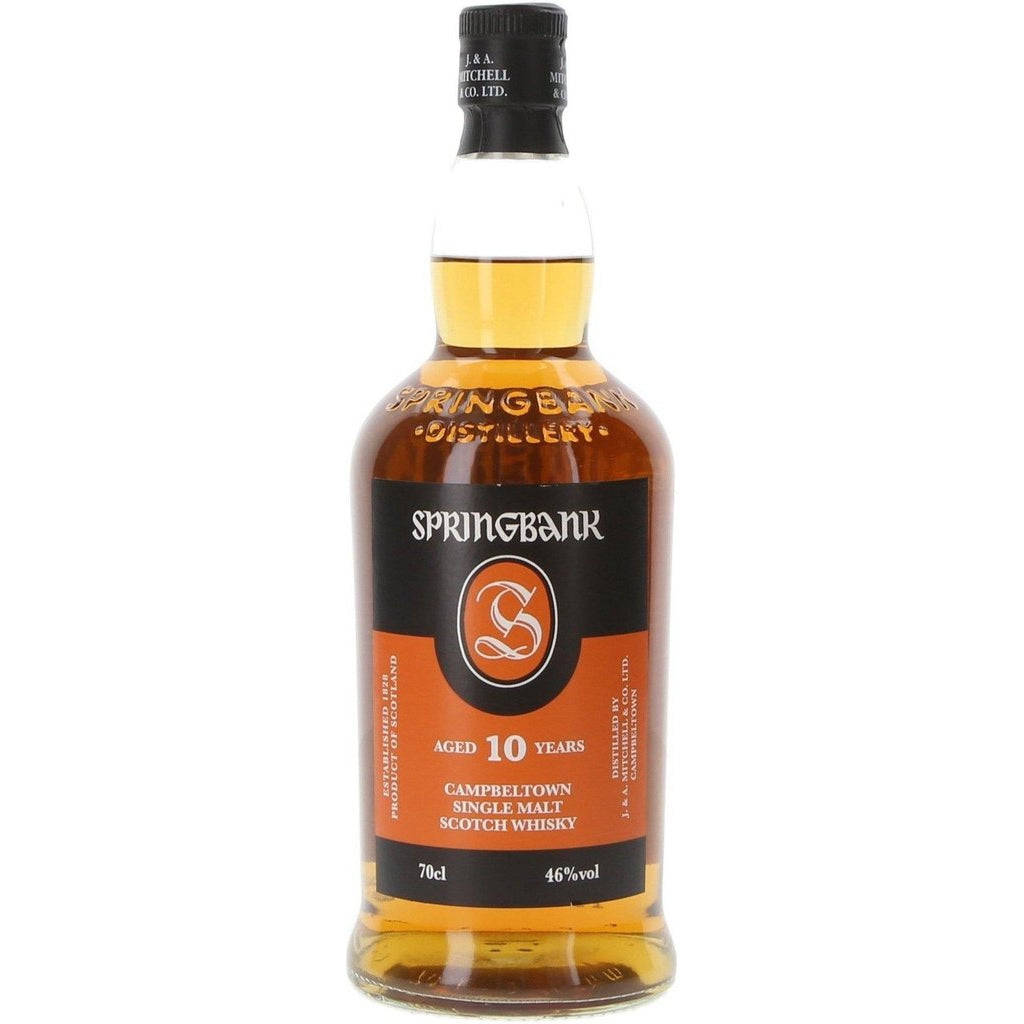
If you want a concrete example, you can pair your method with a well-known single malt to practise comparisons. Here is a product reference you may consider for a guided session:
Springbank 10 Year Old Single Malt Scotch Whisky - 70cl 46%
Where to find whiskies that support learning
Choose selections that let you compare styles without overcomplicating the menu. For example, you can build a small tasting flight from single malt Scotch or contrast maturation impact using sherry-cask whiskies. If your aim is to understand smoky profiles, start with peated whiskies and compare them to non-peated expressions.

Three flavour zones on a tasting map chart
How to adapt the method for different drinkers
Not every palate learns in the same way. For beginners, keep the flight short and repeat the aroma step. For experienced tasters, increase contrast by selecting whiskies with different cask influences or distillation styles. If your group includes non-drinkers or those who prefer less intensity, pace the tasting carefully and offer water between samples.
Common tasting errors to avoid
Even careful drinkers make predictable mistakes. Do not sample too quickly, as aroma and palate need time. Do not overwhelm the flight with more than four whiskies in one sitting. Avoid cleaning the palate with strongly flavoured foods that dominate the tongue. Finally, do not treat one negative impression as proof of poor quality; volatility and personal sensitivity can change results.
Frequently Asked Questions
How many whiskies should I taste in one session?
For most people, three to four whiskies is ideal. A shorter flight reduces confusion and improves note quality. If you are building a larger comparison, split it into two sessions with a break.
What is the best order to taste different styles?
Begin with lighter, less intense profiles and progress toward heavier or more complex drams. Smoke, strong cask sweetness, and very high strength can become more prominent later, so ordering helps you notice differences rather than fatigue.
Do I need a special tasting sheet?
A tasting sheet is helpful but not required. You can also use a simple grid: aroma, palate, texture, finish, and your key impressions. Consistency is more important than format.
Summary & Key Takeaways
A whisky tasting experience becomes valuable when it is structured, calm, and repeatable. By applying a clear routine for aroma, palate, finish, and careful comparison, you build skill with every session. You also develop more confident preferences, because your decisions are based on observation rather than impulse. If you want to broaden your range, explore curated collections and then plan a themed flight at home or through a specialist guide.
To keep learning, choose one theme per session and refine your notes for improvement over time.
Q&A Section
What should I write down during a tasting?
Write short, observable notes: aroma impressions, texture, primary flavours, and the character of the finish. Include one “anchor” phrase you return to later, such as “smoky-sweet” or “dry oak spice.” If you cannot identify a specific flavour, record the sensation instead, such as “citrus lift” or “toasted notes.” This approach maintains accuracy while still building vocabulary.
How do water additions affect the dram?
Small water additions can reduce sharp alcohol perception and help aroma compounds express themselves. The key is to add gradually, swirl, and taste again. Stop when you see clearer structure rather than extra noise. Not every whisky needs water, and some expressions remain impressive without any adjustment.
Is it acceptable to taste without sharing with others?
Yes. Many people learn more efficiently when they control pace and focus alone. When you taste privately, you can repeat a single dram to study changes after each step. Later, if you choose to share, your notes will help you communicate what you actually experienced.
What makes a guided session different?
A guided session reduces guesswork. An experienced host can prompt you through aroma layers, offer tasting language, and help you avoid common errors such as over-swallowing or rushing the finish. Even so, the core method remains the same: attention to aroma, controlled sip, and reflective comparison.
About the Author Section
The Really Good Whisky Company contributes practical guidance and market-informed insight across whisky education and sourcing. The author’s expertise focuses on helping customers taste with clarity, compare with confidence, and choose expressions that match their preferences. In every guide, the emphasis remains on method, observation, and respect for the craft. Thank you for reading and for taking the time to taste deliberately.
0 comments