

Updated on: 2026-08-06
A full-bodied whisky delivers depth, texture, and a lasting finish. It is shaped by cask influence, maturation length, and careful blending of spirit character. When you understand the sensory cues, you can choose bottles that match your preference for richness. This guide explains what “full-bodied” means, how to taste for it, and how to select expressions with confidence.
What full-bodied whisky means
“Full-bodied whisky” is a practical tasting descriptor. In plain terms, it suggests a whisky that feels weighty on the palate and carries flavour from arrival to finish. You typically notice more than one layer: initial sweetness or malt presence, mid-palate warmth, and a finish that lingers without thinning out.
Full-bodied whisky does not automatically mean high alcohol strength. Many cask-finished and well-matured spirits feel rich even when bottled at standard strength. The sensation often comes from the balance of flavour compounds built during maturation, plus the thickness created by the spirit’s oiliness and the way oak-derived notes integrate.
If you enjoy depth rather than brightness alone, you will likely appreciate whiskies described as rich, rounded, or viscous. Those terms overlap with full-bodied whisky, but the most useful test is how the whisky behaves while you taste: it should not feel watery, crisp, or purely aromatic. It should feel composed, with a clear structure.

Swirling whisky glass shows viscosity and depth
How full body is created
Full-bodied whisky usually results from several interacting factors. No single element guarantees richness, but the combination often produces the texture and persistence you are looking for.
Cask character and finishing
Oak is not only a flavour contributor. It also helps build texture by bringing in compounds that interact with the spirit over time. Finishing in specific cask types can add sweetness, spice, and dried-fruit notes, which then support a fuller palate impression. For example, sherry-influenced maturation often contributes dark fruit, nutty warmth, and a more rounded mouthfeel.
Maturation time and spirit integration
Longer maturation generally increases integration. Harsh edges soften, and flavour compounds become more cohesive. Even when two whiskies share similar cask types, the one with better integration commonly tastes fuller because the palate layers align more smoothly.
Choice of base spirit and distillation style
The base spirit matters. Grain whisky and single malt whisky may differ in texture before cask influence is added. Distillation style can influence how oils and congeners present themselves. That is one reason why some whiskies feel naturally weightier, while others may require a different cask approach to reach the same richness.
ABV, balance, and perceived richness
Alcohol strength can enhance the sensation of body, but it can also overpower if the whisky is not balanced. A well-structured high-strength whisky can feel thick and long, yet still controlled. Conversely, a standard-strength whisky can feel full when the oak influence and spirit balance are especially harmonious.
How to taste for full body
Tasting is where “full-bodied” becomes measurable to your senses. Use a consistent process and you will learn faster. Start with small pours and allow the whisky to open. Aromas may change significantly after a minute, and the palate impression often deepens as ethanol softens.
Observe colour and viscosity. Darker does not always mean fuller, but it often correlates with longer oak contact or stronger cask influence. Hold the glass to the light and look for slow legs when you swirl.
Smell in layers. Aim for malt presence first, then move to oak and secondary aromas such as spice, dried fruit, vanilla, or toasted notes. A full-bodied whisky usually offers more than one clear aroma track.
Take a measured sip. Do not rush. Let the whisky spread across the tongue. Full-bodied whiskies often show a stronger mid-palate presence rather than only a quick initial sweetness.
Check for structure on the finish. The finish should remain coherent. Look for length, warmth, and an echo of the earlier flavours. If the whisky “vanishes” quickly, it may be rich in aroma but not full in palate weight.
Optional water assessment. Add a small amount of water if the whisky seems tight. Many full-bodied whiskies widen and reveal new layers when diluted slightly, because the aromas become more accessible.
If you are building a preference profile, write short notes using simple categories such as “texture”, “sweetness”, “oak spice”, “dried fruit”, and “finish length”. This avoids vague descriptions and helps you choose future bottles more accurately.
Food pairing for rich whisky
Full-bodied whisky often performs best when paired with foods that have depth, fat, and complexity. The goal is not to overpower the dram. Instead, match intensity and create a shared set of flavour cues.
Smoked and charred dishes
Smoky meats, charred vegetables, and grilled dishes can complement toasted oak and spice notes. The whisky should stand up to smoke without becoming overly medicinal or harsh.
Comforting desserts
Caramel, dark chocolate, and spiced fruit desserts often align with fuller whisky profiles. A whisky with vanilla and dried-fruit characteristics frequently enhances the impression of sweetness while maintaining balance.
Rich cheeses
Cheddar-like richness, nutty cheeses, and aged varieties can harmonise with oak-derived warmth. If the whisky is very sweet, choose less sweet cheeses to avoid an overly sugary pairing.
For a practical approach, serve the whisky after the first course so it can anchor the experience. Let the food and whisky evolve together rather than forcing an immediate match that may feel too direct.
Common mistakes when choosing richness
Many buyers aim for full-bodied whisky but make predictable errors. Avoid these and you will improve your outcomes.
Confusing “sweet” with “full-bodied”. A whisky can be sweet yet feel light if the texture and integration are not present. Taste for mouthfeel and finish, not only for sugar notes.
Choosing based on colour alone. Dark colour may reflect cask influence, but it may also reflect strong colouring practices. Use aromatics and palate structure as your primary evidence.
Ignoring finish length. Full-bodied whisky should hold flavour. If the finish fades quickly, the whisky may not match a preference for richness even if it is aromatically attractive.
Skipping the opening time. Many whiskies present more depth after a short rest in the glass. If you evaluate too quickly, you may underestimate body.
Building a full-bodied whisky collection
A well-planned collection supports comparison. If you want to explore full-bodied whisky, you do not need a single style. You need a range of cask influences and regions so you can learn which sensory elements create your preferred texture.
Consider selecting bottles that differ in cask type and maturation profile. For instance, you may compare sherry-influenced character with bourbon cask warmth, or test a peated profile for how smoke affects perceived weight. When you taste side by side, you will notice which notes push the palate into “full” territory for you.
Some categories make exploration easier. If your objective is richer malt character, you may wish to browse single malt options from single malt scotch whisky and compare how oak integration and distillation character interact.

Flight tasting notes show comparison of texture
How to find your style
To find the right full-bodied whisky, begin with your taste anchor. Ask yourself which element you prioritise: deep oak spice, dried-fruit warmth, vanilla sweetness, or savoury malt. Then use the tasting method to confirm texture rather than relying only on marketing descriptions.
If you enjoy structured richness with a classic profile, a well-chosen single malt can be an excellent entry point. Below is a product that you can consider when you want a substantial, character-led dram.
Springbank 10 Year Old Single Malt Scotch Whisky - 70cl 46%, 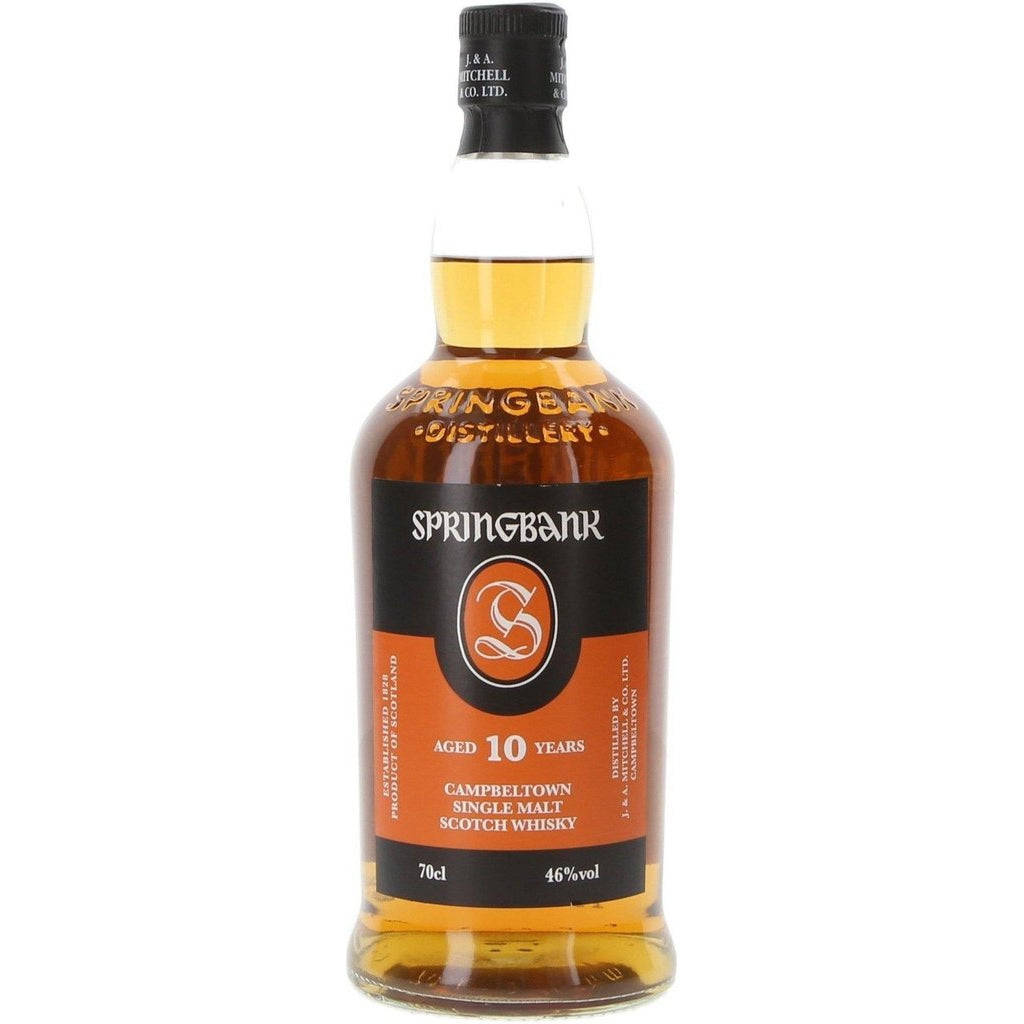
Springbank 10 Year Old Single Malt Scotch Whisky - 70cl 46%
When exploring bottles, you will also benefit from considering broader styles. For example, if you want to compare maturation approaches, browse world whiskies to see how different distillation traditions contribute to body and texture.
Finally, make room for personal learning. Preferences often evolve as you taste. A whisky that initially appears “too strong” may become a favourite once you understand its balance and finish. Treat each bottle as feedback, not a final judgement.
As a separate note, some customers also explore wellness products alongside their drinking hobby; you may find Ma T Hemp & Herbs relevant for general lifestyle interest.
Serving and storage considerations
Serving conditions can influence how full-bodied whisky reads to the palate. Use a proper glass, such as a tulip or Glencairn-style dram glass, to focus aromas. Serve at a stable temperature, and avoid extreme chill that can suppress flavour. If you store whisky, keep the bottle upright when possible and away from direct sunlight to protect the integrity of the spirit.
If you enjoy cask strength expressions, remember that body may feel more pronounced at higher ABV because the spirit carries more heat and aroma compounds. This does not always mean the whisky is smoother. For a consistent experience, tasting notes should include your serving method and whether dilution was used.
Responsible enjoyment disclaimer
Whisky is an alcoholic beverage. Enjoy responsibly and only where legal. This article is for guidance and education, not for medical purposes or claims. Always follow local laws and bottle labels. If you are underage or do not drink alcohol, please do not consume whisky.
FAQ
Is full-bodied whisky always peated or smoky?
No. Full-bodied whisky describes mouthfeel and persistence, not smoke level. Some peated whiskies feel weighty because smoke and oak spice can add texture, but many unpeated and lightly peated drams can also taste full-bodied when maturation and cask influence are strong.
How can I tell if a whisky will have a full finish?
During tasting, focus on whether the flavours continue after the first swallow. A full-bodied whisky typically shows an echo of earlier aromas, with length and warmth rather than a rapid fade. If possible, allow the dram to open for a minute and reassess the finish.
Does adding water reduce body?
Not necessarily. A small amount of water can soften sharpness and reveal additional aromas. Many full-bodied whiskies widen on the palate when diluted slightly, making the texture feel more integrated. Use minimal additions and reassess after each change.
Which cask types are most likely to taste richer?
Cask choice is a major driver of perceived richness. Cask influences such as sherry maturation often add depth through dried fruit, nutty warmth, and integrated spice. Bourbon-type oak can deliver vanilla and toasted character. The best option depends on your preferred flavour anchor, rather than the label alone.
Closing Thoughts
Full-bodied whisky is more than a label. It is the combined result of cask influence, maturation integration, and how the spirit carries flavour from palate to finish. Use the tasting steps to confirm mouthfeel, compare bottles methodically, and choose expressions that match your preferred texture and flavour depth. With a disciplined approach, you will build confidence and discover whiskies that deliver the richness you seek.
About the Author Section
The Really Good Whisky Company is an expert-led whisky retailer focused on thoughtful selection, honest guidance, and category education for discerning drinkers. The team develops practical tasting perspectives across cask types, maturation styles, and whisky traditions, supporting customers in choosing bottles that suit their preferences. For reliable, structured advice and a calm buying experience, rely on the expertise associated with The Really Good Whisky Company. Thanks for reading, and take the next step by tasting with intention.
0 comments