

Updated on: 31st March 2026
Sherry cask whisky represents one of the most distinctive and sought-after categories in the world of premium spirits. The interaction between whisky and sherry-seasoned oak creates complex flavour profiles characterised by rich dried fruit, spice, and warming notes. This comprehensive guide explores the production methods, flavour characteristics, and reasons why discerning consumers continue to favour these exceptional expressions from distilleries across Scotland and beyond.
Table of Contents
- The Production Process Behind Sherry Cask Maturation
- Benefits and Reasons to Explore Sherry Cask Expressions
- Flavour Characteristics and Tasting Notes
- Frequently Asked Questions
- Final Thoughts and Recommendations
The Production Process Behind Sherry Cask Maturation
The creation of sherry cask whisky begins long before the spirit ever enters the barrel. Distilleries source European oak casks that have previously held sherry, typically from the Jerez region of Spain. These casks represent a significant investment, as they have already imparted their character to sherry for several years before being repurposed for whisky maturation.
Once the new-make spirit enters these seasoned casks, a profound transformation begins. The wood's existing characteristics—predominantly from the previous sherry—gradually infuse into the developing whisky. The interaction occurs through a process called osmosis, where alcohol and wood compounds exchange across the barrel's porous structure. This differs substantially from whisky matured in first-fill bourbon casks, which introduce vanilla and caramel notes instead.
Temperature fluctuations throughout the year affect the maturation rate significantly. Warmer months cause the spirit to expand and penetrate deeper into the wood, whilst cooler periods allow it to recede. This natural breathing process, known as the "angel's share," results in gradual evaporation and concentration of flavours. Most sherry cask expressions require between twelve and twenty-five years of maturation to develop their full complexity.

Golden liquid resting within amber-hued oak barrels stacked in a traditional warehouse setting
Distilleries must exercise careful management of their sherry cask inventory. Not all casks perform equally; some impart excessive oakiness, whilst others contribute insufficient character. Master blenders assess each cask individually before determining its fate within the final product. This meticulous approach ensures that every bottle maintains the house's quality standards and flavour profile expectations.
Benefits and Reasons to Explore Sherry Cask Expressions
Sherry cask whisky delivers a distinctly different drinking experience compared to other maturation methods. The rich, dried fruit character—encompassing raisins, sultanas, and dates—creates immediate sensory appeal. These natural sweetness elements develop through the wood interaction rather than additional ingredients, providing an authentic expression of traditional whisky craftsmanship.
The complexity offered by sherry cask maturation appeals particularly to experienced whisky enthusiasts. Layered flavour notes reveal themselves gradually across the palate, encouraging contemplative sipping and discussion. A single dram might present initial impressions of chocolate and dried fruit, followed by subtle spice, leather, and warming alcohol heat in the finish. This evolution of taste demonstrates the depth that proper cask selection and extended maturation can achieve.
Collectors value sherry cask expressions for their investment potential and rarity. Certain distilleries produce limited quantities in this style, creating scarcity that drives both demand and value appreciation. Vintage releases and independent bottlings often command premium prices within the secondary market, reflecting their desirability among serious enthusiasts.
Health-conscious consumers appreciate that sherry cask whisky contains no additives or artificial flavourings. The character derives entirely from natural wood compounds and careful production oversight. This transparency in production methods aligns with contemporary preferences for authentic, minimally processed spirits.
The warming properties of sherry cask expressions make them particularly suited to cooler months. The full-bodied nature and elevated alcohol content create satisfying warmth that appeals during winter evenings. Many connoisseurs deliberately reserve their finest sherry cask selections for seasonal enjoyment, establishing meaningful traditions around whisky appreciation.
Flavour Characteristics and Tasting Notes
Understanding the typical flavour profile of sherry cask whisky enhances appreciation and selection of appropriate expressions. Dried fruit dominates the aromatic experience, with raisins, figs, and dates providing immediate recognition. These fruity notes combine with warming spice—cinnamon, clove, and nutmeg—creating complex opening impressions.
On the palate, sherry cask expressions typically reveal rich, sweet characteristics balanced by subtle drying tannins. Chocolate, coffee, and leather notes emerge alongside the initial fruit, providing depth and structure. The finish often extends considerably, with warming alcohol and lingering spice creating memorable closure. Cask strength expressions intensify these characteristics, delivering bolder flavour delivery and greater complexity.

Amber liquid swirling in a glass revealing deep mahogany hues and rich colour intensity
Individual distilleries express distinctive house characters even within the sherry cask category. Some emphasise fruity sweetness, whilst others highlight spice and oak influence. Regional variations—Highland, Speyside, Islay—further modify the baseline sherry cask profile, creating remarkable diversity within this classification. Exploring multiple producers reveals the breadth of expression possible through thoughtful cask selection and production methodology.
The colour of sherry cask whisky provides visual indication of maturation intensity and cask quality. Deeper amber and mahogany hues typically suggest extended maturation or particularly active casks. However, colour alone does not determine quality; experienced enthusiasts evaluate based on comprehensive sensory assessment rather than appearance alone.
Consider exploring our full selection of sherry cask whisky expressions to discover personal preferences. Each distillery's approach yields distinct results, and individual taste preferences vary considerably. Systematic tasting across different producers and ages develops knowledge whilst providing genuine enjoyment.
Frequently Asked Questions
What distinguishes sherry cask whisky from bourbon cask matured spirits?
The primary difference lies in the wood's previous contents and resulting flavour contribution. Sherry casks impart dried fruit, spice, and rich sweetness, whilst bourbon casks contribute vanilla, caramel, and lighter fruit notes. Sherry cask expressions typically develop deeper colour, fuller body, and more pronounced sweetness. The choice between them reflects personal taste preferences; both maturation methods yield exceptional spirits when properly executed.
How long does sherry cask whisky require for proper maturation?
Minimum maturation periods vary by region and product type. Scottish whisky requires at least three years in cask before legal classification as whisky. However, premium sherry cask expressions typically mature for twelve years or longer, allowing sufficient time for complex flavour development and optimal wood integration. Some exceptional examples receive twenty-five or more years of maturation, developing extraordinary depth and refinement.
Are sherry cask whiskies suitable for everyday consumption?
Sherry cask expressions range across quality and price points, accommodating diverse budgets and occasions. Entry-level options provide excellent value and accessible introduction to the category. Premium expressions suit special occasions and contemplative enjoyment. Some enthusiasts reserve particularly special bottlings for milestone celebrations, whilst others enjoy good quality sherry cask whisky regularly. Personal circumstances and preferences should guide consumption decisions.
How should sherry cask whisky be stored properly?
Store bottles upright in cool, dark conditions away from direct sunlight and temperature fluctuations. Exposure to heat and light degrades quality and accelerates oxidation. Maintain stable room temperature, ideally between 15 and 18 degrees Celsius. Closed bottles retain quality indefinitely when stored correctly, though opened bottles gradually oxidise over months or years depending on remaining volume and storage conditions.
Final Thoughts and Recommendations
Sherry cask whisky occupies a cherished position within the broader whisky landscape, offering distinctive flavours and exceptional quality that justify its enduring popularity. The combination of traditional production methods, careful cask selection, and extended maturation creates spirits worthy of serious appreciation. Whether approaching sherry cask whisky for the first time or deepening existing knowledge, the category rewards exploration and experimentation.
For newcomers, beginning with moderately priced expressions from established distilleries provides excellent foundation knowledge without significant financial commitment. Tasting notes and distillery descriptions offer helpful guidance, though personal exploration ultimately determines individual preferences. Consider purchasing sample sizes or attending organised tastings before committing to full bottles.
Explore our finest Scotch selections and rare vintage expressions to discover premium examples worthy of serious collection consideration. Our expertise spans international options across world whiskies, ensuring comprehensive selection for every taste profile and budget.
The Dalmore 12 Year Old represents an excellent entry point into quality sherry cask appreciation:
Dalmore 12 Year Old Highland Single Malt Scotch Whisky – 70cl 40%
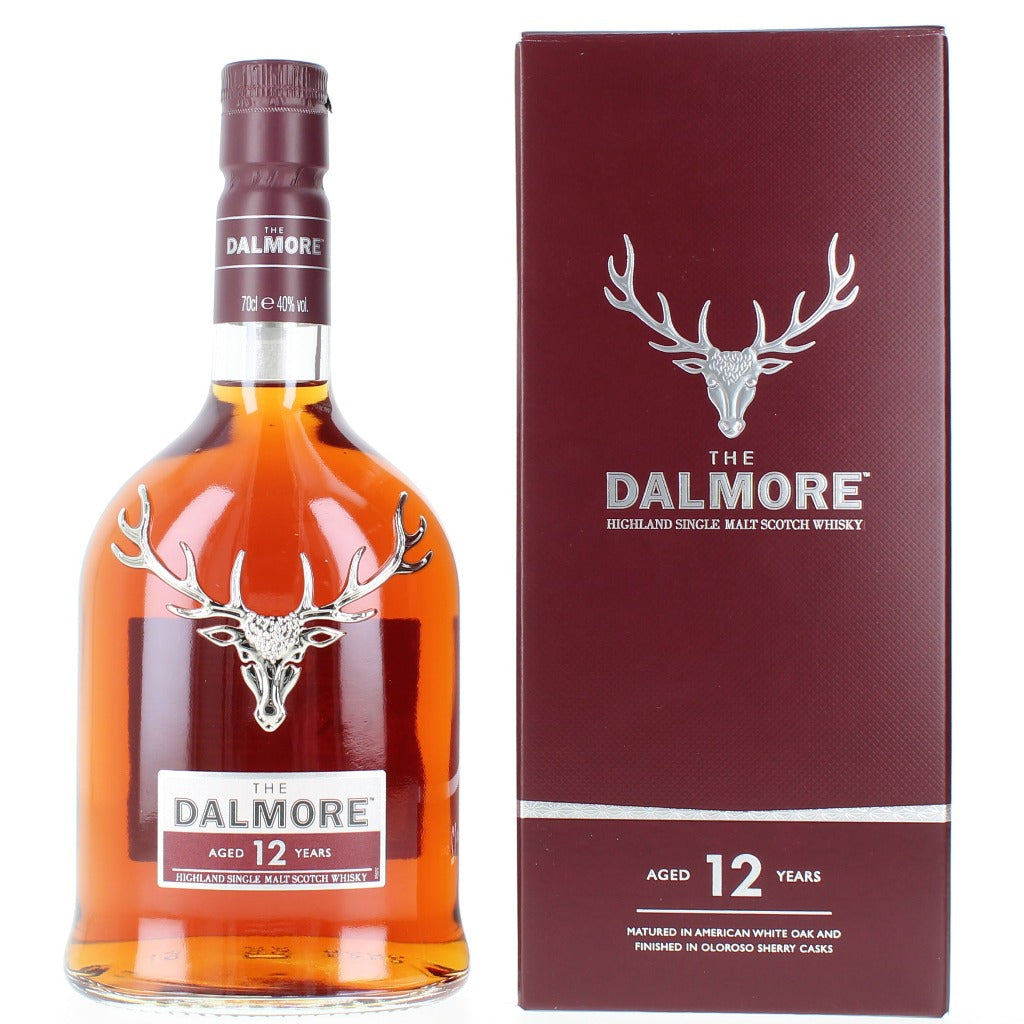
View Dalmore 12 Year Old on our collection
Premium sherry cask whisky delivers remarkable value when evaluated across sensory experience, production quality, and lasting enjoyment. Whether celebrating special occasions or building a thoughtful collection, sherry cask expressions merit consideration alongside other distinguished spirits. The depth of flavour, complexity of character, and craftsmanship evident in quality examples justify their position within any serious whisky enthusiast's cabinet.
About the Author
The Really Good Whisky Company brings decades of combined expertise in spirits sourcing, cask management, and whisky education. Our team remains dedicated to identifying exceptional expressions across all production styles and global regions. We believe quality whisky appreciation develops through accessible knowledge, honest recommendations, and genuine passion for the craft. We welcome your questions and look forward to helping you discover your next favourite sherry cask whisky.
0 comments