

Updated on: 2026-09-24
Finding the best whisky for sipping is less about a single “right” bottle and more about matching style to your palate. The ideal pour should balance aroma, texture, and flavour depth without becoming harsh or overly drying. In this guide, you will learn how to assess strength, cask influence, and finish, then choose whiskies that reward slow sipping. You will also find practical serving tips and a short set of answers to common questions.
1. What “best whisky for sipping” should deliver
3. How-To Steps: pick a whisky for slow sipping
4. Tasting indicators you can use immediately
5. Style guidance by flavour direction
6. Serving and glassware for maximum enjoyment
What “best whisky for sipping” should deliver
Sipping whisky is a different experience from drinking fast or mixing. Your goal is enjoyment over time: the aroma should open gradually, the palate should feel coherent, and the finish should remain pleasant rather than aggressively drying. The best whisky for sipping typically shows three qualities at once: clarity of flavour, a comfortable balance of sweetness and oak influence, and an overall texture that feels rounded rather than spiky.
In practice, “best” means “best for you”. Some drinkers prefer a smooth, honeyed profile with gentle spice. Others seek deeper fruit notes, dried wood character, or a savoury smoke line. A well-chosen bottle should feel calm in the glass, even when it carries complexity.
How to choose
When you are selecting a bottle for slow sipping, focus on variables that reliably affect how the whisky behaves in the glass. Start with strength and body, then consider cask type and maturation choices. Finally, review the balance between aroma intensity and finish length.
You do not need to be technical. A few well-chosen checks will steer you towards a bottle that offers a satisfying rhythm sip after sip.
How-To Steps: pick a whisky for slow sipping
-
Set your flavour direction first. Decide whether you are leaning towards honeyed sweetness, orchard fruit, nutty malt, warm spice, coastal saltiness, or smoke. This narrows the field quickly.
-
Choose a strength you can enjoy slowly. If you prefer ease, look for whiskies that feel approachable. If you prefer intensity and a more assertive burn, you can consider higher strength options, but only if the whisky still reads as balanced.
-
Match cask influence to your taste. Bourbon casks often deliver vanilla, soft caramel, and gentle spice. Sherry casks can add dried fruit, cocoa, and deeper sweetness. Wine casks may bring a fruitier, more aromatic character.
-
Check for texture, not only flavour. Many people focus on tasting notes and ignore mouthfeel. For sipping, look for descriptions that suggest smoothness, creaminess, or satin-like texture.
-
Assess the finish for comfort. A good sipping whisky usually finishes with warmth that feels integrated. If the end is aggressively astringent, it may tire you during longer sessions.
-
Buy one bottle, then refine. If you enjoy it, choose a similar style next time. If you find it too sharp or too sweet, adjust one variable: strength or cask type.

Glasses, tasting notes, and aroma symbols on a tray
Tasting indicators you can use immediately
Even when labels use marketing language, you can interpret how a whisky may behave for sipping. Begin with the pour and aroma, then move to palate impression and finish.
Aroma should unfold, not overwhelm
For sipping, the best whiskies show aromatics that develop. You may notice a first wave of sweet malt or oak, followed by more nuanced layers such as orchard fruit, toasted spice, or vanilla cream. If the aroma is flat or excessively sharp, it may not stay interesting over time.
Palate balance is usually the deciding factor
Look for a sense of proportion. Sweetness should not dominate so heavily that the finish becomes cloying. Likewise, oak should not feel overly dominant. A well-balanced whisky reads as “rounded”: the flavour arrives, expands, and then resolves.
Finish quality predicts session enjoyment
Long finish is not automatically better. What matters is that the finish feels deliberate and clean. A pleasant whisky often leaves warmth and flavour echoes, but it does not feel harsh, watery, or overly dry.
If you want a broader view of curated categories, you can explore styles and bottlings on our finest scotch. This can help you compare profiles across regions without guessing.
Style guidance by flavour direction
The best whisky for sipping is often found when your personal taste aligns with a style that naturally supports slow enjoyment. Use the directions below as a practical compass. You can then refine using strength, cask, and maturation details.
Classic Speyside style: gentle sweetness and refined malt
Speyside whiskies often suit drinkers who want approachable sweetness and elegant fruit notes. For sipping, look for character that remains smooth and does not turn overly dry. A well-made Speyside can feel like a calm conversation: present on the palate, then quietly fading into warmth.
Lowland and grain-led smoothness: softer texture and easy flow
Some people find that grain whiskies and blended styles can be ideal for sipping because they frequently present a softer texture. This does not mean less character. It means the flavour can be more coherent and less rugged, which supports longer tasting sessions.
If you prefer lighter complexity, you may also explore blended scotch whisky for a broader range of approachable profiles.
Islay and peated character: smoke integrated with sweetness
Peated whiskies can be excellent for sipping when the smoke feels integrated rather than medicinal. The goal is a layered experience: smoke on the nose, supportive malt character on the palate, and a finish that remains controlled. Strong smoke that dominates every stage can become fatiguing; controlled peating typically rewards slow sipping.
You may find helpful starting points in peated whisky, where styles are grouped for easier comparison.
Sherry-cask richness: dried fruit depth with warming spice
If you enjoy a sweeter, deeper profile, sherry cask influence can deliver dried fruit notes, cocoa-like richness, and warm spice. For sipping, choose bottles that keep the sweetness balanced. When sweetness is too heavy, the whisky may lose clarity in the later part of the sip.

Cask-inspired colour bands and a slow sip timer concept
Serving and glassware for maximum enjoyment
Serving choices can materially change how whisky tastes, particularly for sipping where aroma and texture carry most of the experience. Small adjustments are often more effective than searching for a different bottle each time.
Use the correct glass
A tulip-shaped glass encourages aromatics to collect near the rim. This helps you detect subtle notes without rushing. If you do not have a tulip glass, any clean glass with a wider bowl and a narrower opening can work.
Temperature matters more than you think
Serve at a comfortable room temperature. Too cold can mute aroma and make flavours feel tighter than they are. Too warm can exaggerate alcohol presence. For many drinkers, a short rest in the glass after pouring helps the whisky open.
Consider water, but do so with intent
Adding a small amount of water can soften harsh edges and lift aroma. The purpose is not dilution; it is refinement. Add incrementally and pause between additions. If you start with a bottle that feels bold, careful dilution may turn it into a whisky that is easier to sip for longer.
Plan your pace
Sipping is about rhythm. Allow the whisky a few seconds before the first tasting, then spend time with the aroma and finish. This practice improves clarity and reduces the temptation to rush.
Common mistakes when selecting for sipping
Even enthusiastic whisky buyers can select bottles that feel disappointing for slow sipping. The following issues appear repeatedly.
Choosing by strength alone
A higher percentage does not automatically mean more flavour. Some higher strength whiskies can feel sharp without proper balance. For sipping, priority should remain balance: aroma, palate texture, and finish.
Ignoring cask effect
Cask selection often determines both flavour direction and perceived sweetness. If you habitually enjoy one cask style, jumping to a contrasting cask can feel surprising. When the switch is intentional, it can be rewarding; when it is accidental, it can be disappointing.
Overlooking finish comfort
If the finish feels overly dry or overly drying, it can fatigue your palate quickly. Sipping should feel sustainable. A comfortable finish encourages repeat tastings.
Skipping glass and serving basics
Even a well-chosen bottle can taste underwhelming if served too cold or from an inappropriate glass. Simple improvements in glass shape and temperature often unlock aromas you otherwise miss.
Featured bottle for slow sipping
If you would like a reliable benchmark for a richly textured, malt-forward sip, consider this option:
Springbank 10 Year Old Single Malt Scotch Whisky - 70cl 46%
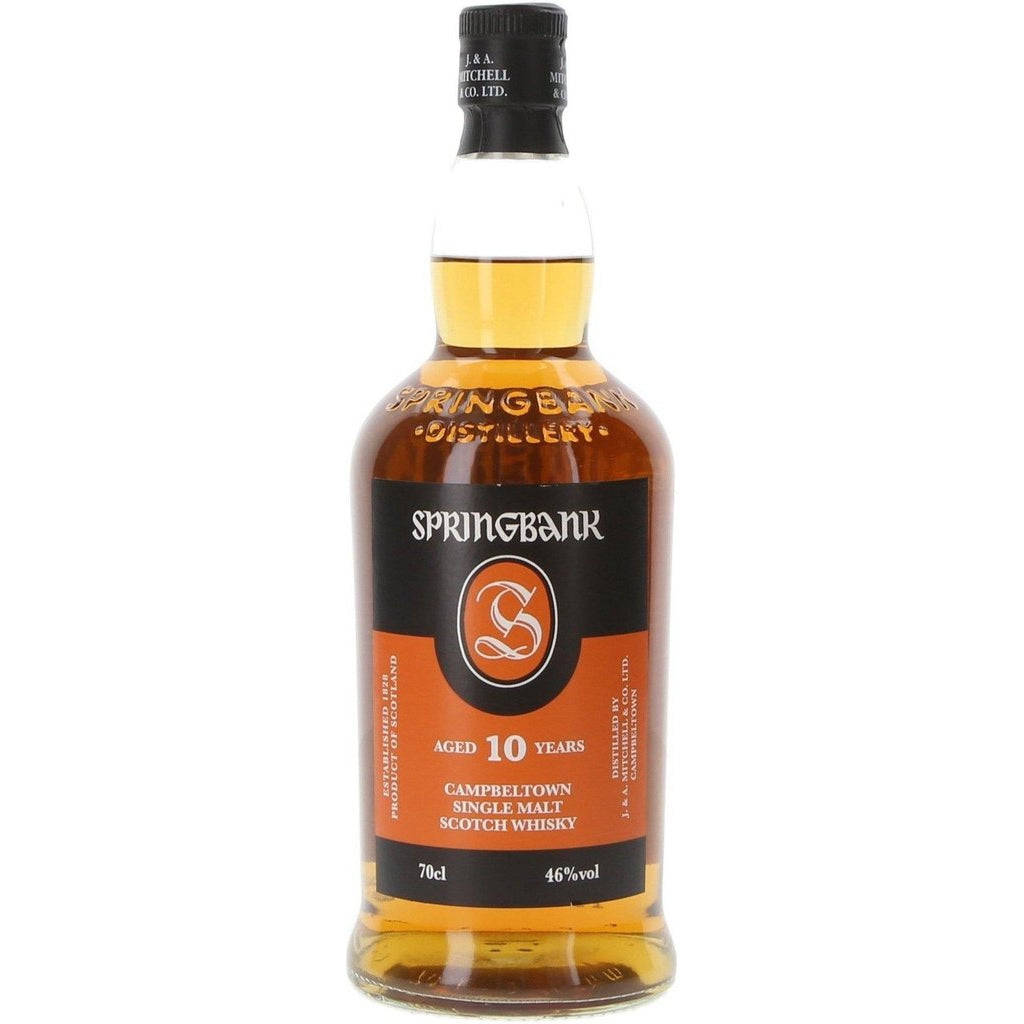
For more details, visit Springbank 10 Year Old Single Malt Scotch Whisky.
Why it works for sipping: it typically presents a balanced intensity, with depth that can reward careful tasting. Treat it as a bottle to explore slowly, rather than something to evaluate in a single quick sample.
FAQ
Which whisky styles are best for beginners who want to sip?
Begin with approachable, well-balanced styles where the sweetness is clear and the oak influence feels integrated. Many drinkers find that lightly peated profiles, classic Speyside character, or sherry-influenced whiskies deliver immediate satisfaction. The safest path is to choose a bottle that emphasises smooth texture and a comfortable finish.
Does higher strength always mean better whisky for sipping?
No. Higher strength can create more aromatic lift and stronger warmth, but it can also accentuate alcohol intensity. For sipping, balance is more important than strength alone. If a bottle feels sharp, careful dilution with water can improve comfort and refine the flavour.
How much water should I add when tasting for sipping?
Use a conservative approach. Add water in small increments, then pause to reassess aroma and palate. The best amount is the one that brings more clarity without turning the whisky thin. If the whisky remains expressive and the finish stays pleasant, you have found a workable balance.
What should I prioritise: aroma, flavour, or finish?
For the best slow-sipping experience, prioritise balance across all three. Aroma sets expectations, flavour reveals structure, and finish determines whether the whisky stays enjoyable over time. A whisky with good aroma but a drying finish can still feel disappointing during a long session.
Closing thoughts
The best whisky for sipping is found when you match style, cask influence, and mouthfeel to your own preferences. Use the selection steps to narrow choices, then focus on texture and finish quality rather than strength alone. With a suitable bottle and a considered serving approach, whisky becomes a calm ritual that deepens with each glass.
If you are ready to explore further, browse curated categories on world whiskies and compare styles side by side. A thoughtful selection today can lead to better, longer enjoyment tomorrow.
About the Author
The Really Good Whisky Company is a specialist retailer with deep knowledge of whisky styles, maturation choices, and customer-led recommendations. Their team focuses on helping drinkers understand flavour direction so that every pour can feel intentional. For readers seeking confident guidance on which whisky suits their taste, their expertise supports smarter selection and more rewarding sipping. Thank you for reading, and enjoy your next tasting session with greater clarity.
0 comments