

Updated on: 2026-08-20
Chocolatey whisky is a modern pairing idea that brings depth to both flavour and aroma. When done well, it balances cocoa richness with the whisky’s natural sweetness, vanilla notes, and oak character. The result can feel luxurious without becoming heavy or cloying. This guide explains how to choose bottles, build a glass-friendly serving, and refine the pairing so it remains consistent and enjoyable.
Practical Guide: How to Taste Chocolatey Whisky
Introduction
Chocolatey whisky draws attention because it tastes like more than “sweet whisky”. In the glass, cocoa tones often sit alongside caramel, dried fruit, toasted oak, and gentle spice. Many drinkers associate chocolate with comfort, but whisky offers a structured complexity that can lift cocoa notes into something far more refined. If you enjoy rich dessert aromas, you will likely enjoy whisky expressions that show cacao, dark chocolate, or cocoa powder on the nose and palate.
This article is written to help you identify what “chocolatey whisky” means in practice. You will learn how cocoa-like flavours form, which styles tend to deliver them, and how to serve whisky so the profile remains balanced. You will also see a practical tasting method and pairing approach that supports consistent results at home.
Practical Guide: How to Taste Chocolatey Whisky
1) Start with the right whisky style and cask influence
Chocolatey whisky flavours are often linked to the whisky’s maturation and the character of oak. Look for expressions where the spirit is given time to extract deeper compounds from cask wood. In many cases, cocoa notes are supported by caramel sweetness, toasted oak, and a soft texture that resembles melted chocolate rather than harsh bitterness.
To narrow down your search, consider these common pathways:
- Sherry and port cask maturation can add dark fruit sweetness that reads as cocoa or chocolate syrup when paired with warm oak spice.
- Bourbon cask maturation can contribute vanilla, toffee, and gentle caramel, which can combine with toasted notes to resemble cocoa powder.
- Longer maturation generally increases the sense of depth, allowing cocoa-like tones to feel integrated rather than isolated.
If you want to explore style-led options, browse across established categories such as Scotch selections and sherry-cask whiskies to find bottles that commonly present chocolate-adjacent notes.

Oak cask rings beside cocoa and vanilla aromas
2) Use a simple tasting sequence for cocoa notes
Chocolatey whisky is easier to detect when you follow a repeatable routine. Begin with aroma first, then palate, then texture. This reduces the tendency to overestimate sweetness and helps you confirm whether the “chocolate” is coming from cocoa-like dryness, caramel, or fruit depth.
Use this sequence:
- Swirl gently and pause. Take two short sniffs before committing to a label such as “cocoa” or “dark chocolate”.
- Assess aroma layers. Aim to separate cocoa from vanilla, toasted oak, and spices like cinnamon or nutmeg.
- Sip in small amounts. Let it sit briefly on the tongue, then note whether the finish is drying or creamy.
- Revisit the finish. Many chocolatey whisky expressions show the strongest cocoa sensation after the sip, not at the first touch.
When you taste, avoid adding large volumes of water immediately. A small adjustment can open aromas, but excessive dilution may flatten texture and reduce cocoa presence.
3) Serve with temperature and glassware in mind
Serving conditions influence whether cocoa notes appear as a smooth, dessert-like impression or as a sharper, bitter edge. For best results, aim for a comfortable room temperature rather than very cold glassware.
Practical serving guidance:
- Glass: Use a nosing-friendly shape. A tulip-style or classic whisky glass concentrates aromatics without trapping them uncomfortably.
- Temperature: If you chill the bottle, allow it to stabilise. Aromas typically become more legible as the whisky warms slightly in the glass.
- Water: Add only a few drops at a time. Wait between additions so you can identify what changes in sweetness, aroma, and finish.
This approach is especially helpful when you are trying to decide whether a whisky truly reads as chocolatey whisky or whether it merely shows sweetness and spice.
4) Pair chocolatey whisky with desserts and savoury choices
Pairing should support the whisky, not compete with it. Chocolatey whisky generally pairs well with desserts that match the whisky’s sweetness but do not overwhelm its oak-derived structure. If you choose something very sweet, the whisky can become “shadowed”, and the cocoa tones may feel muted.
Good pairing directions include:
- Dark chocolate with a moderate sweetness level. This tends to align with cocoa bitterness rather than intensifying syrupy flavours.
- Shortbread or lightly spiced biscuits. The buttery crumb can echo caramel and vanilla notes.
- Roasted nuts such as hazelnuts or almonds. Toasted flavours often reinforce the oak and spice layer.
- Vanilla-forward desserts such as crème pâtissier. Vanilla can highlight the softer side of cocoa.
For a savoury angle, try smoked meats in small portions, or a mild cheese board. The goal is to bring out smoke and spice without creating a harsh contrast that amplifies bitterness.
Key Advantages of a Chocolate-Forward Whisky Profile
Choosing chocolatey whisky is not simply about enjoying a dessert-like flavour. A cocoa-forward profile can deliver a fuller sensory experience because it typically combines multiple whisky elements: oak toast, caramel sweetness, aromatic warmth, and a structured finish.
- Better balance: Cocoa often sits between sweet and dry notes, making the whisky feel smoother and more complete.
- More aromatic clarity: Chocolate impressions can act as a “bridge” that helps you detect vanilla, toasted wood, and spice.
- Pairing flexibility: The profile can work with desserts, nuts, and some savoury pairings without requiring complex preparations.
- Comforting finish: Many chocolatey whisky expressions end with warmth that feels satisfying rather than aggressive.
There is also a practical benefit for casual tasting. If a whisky label feels vague, cocoa-like descriptors can help you predict whether you will enjoy it even before the first sip.
Spotlight: A whisky that often supports chocolatey notes
To illustrate how a chocolate-forward profile can present in the glass, consider this bottle. Its oak character and maturation style are frequently associated with warm, dark dessert aromatics.
Dalmore 12 Year Old Highland Single Malt Scotch Whisky - 70cl 40%, 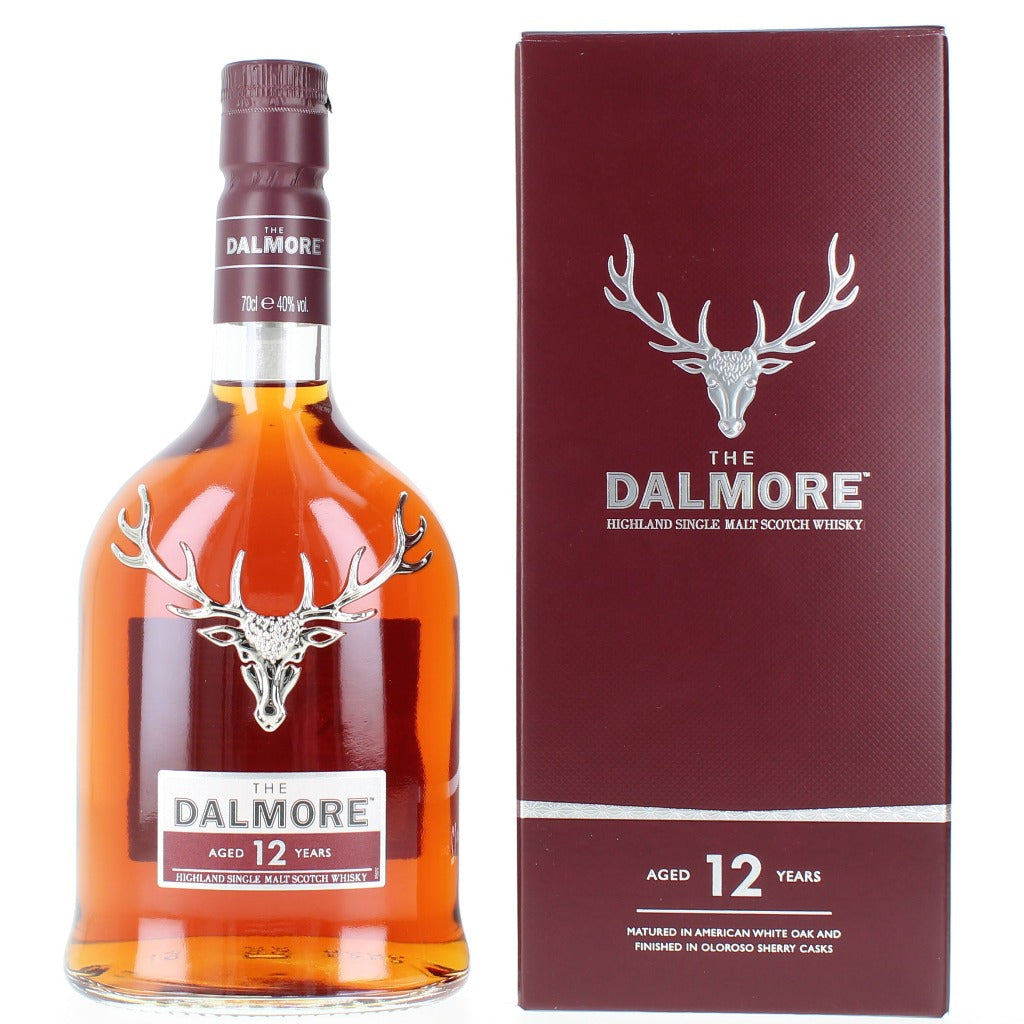
Explore Dalmore 12 Year Old 70cl 40%
When you taste, look for cacao-like impressions, dark fruit depth, and a finish that feels rounded rather than sharp. If you already enjoy cocoa desserts, this kind of whisky may feel immediately accessible while still offering complexity.
How to avoid common tasting mistakes
Some drinkers struggle to identify chocolatey whisky traits because they approach tasting too quickly or with the wrong expectations. The following points help refine perception:
- Do not rely on sweetness alone. Chocolatey notes are often more than “sugary”. Focus on oak toast, cocoa dryness, and aromatic warmth.
- Do not over-dilute. Excess water can reduce aroma and make cocoa impressions less distinct.
- Compare like with like. When tasting multiple whiskies, alternate between aroma and palate so your brain does not over-accentuate one profile.

Cocoa notes layering over toasted oak on a tasting map
Refine your selection with structured comparison
To build confidence, compare whiskies that share similar maturation cues but differ slightly in intensity. This helps you understand whether “chocolatey” in your mind refers to cocoa powder dryness, dark chocolate richness, or vanilla-caramel warmth.
A structured comparison can look like this:
- Choose two bottles with overlapping style cues (for example, similar cask type).
- Taste in order of intensity. Start with the lighter expression so the darker bottle does not dominate your perception.
- Record finish character. Many chocolatey whisky profiles are most informative in the aftertaste.
- Decide using your own language. If you prefer cocoa powder over melted chocolate, prioritise whiskies that show dry cocoa and toasted oak rather than only sweet vanilla.
If you want a broader exploration of flavour profiles, consider browsing curated collections such as single malt Scotch whisky and related categories. This can help you match your preference for chocolatey whisky to reliable style patterns.
Summary and Next Steps
Chocolatey whisky works when cocoa impressions are supported by oak toast, vanilla warmth, and a balanced finish. Start by selecting bottles with maturation cues that typically deliver dessert-like aromatics. Then follow a repeatable tasting sequence so you can identify whether the flavour reads as cocoa powder dryness, dark chocolate richness, or caramel-vanilla sweetness.
Next steps you can apply immediately:
- Choose one whisky you believe will show cocoa notes and taste it using aroma-first, palate-second, finish-third order.
- Try one simple pairing that matches the whisky’s sweetness level, such as dark chocolate with moderate sweetness.
- Compare against a second bottle to understand how your preference changes across cask styles.
If you would like to explore more expressions aligned with your taste, use category browsing on reallygoodwhisky.com to find options that match your preferred profile and maturation direction.
Q&A
What does “chocolatey whisky” usually mean in tasting notes?
In practice, chocolatey whisky refers to aroma and flavour impressions that resemble cocoa powder, dark chocolate, or cacao-like richness. These tones are often accompanied by vanilla, toasted oak, and caramel warmth. The key is integration: the cocoa-like notes should feel layered rather than isolated sweetness.
Which cask types most often support cocoa and chocolate flavours?
Sherry- and port-influenced maturation frequently contributes dark fruit depth that can read as cocoa or chocolate syrup. Bourbon cask maturation can add vanilla and caramel, which may create a cocoa-adjacent impression, particularly when combined with toasted oak. Individual whisky distilleries can also influence how these characters express.
Should I add water to a chocolatey whisky?
Small additions can help open aromatics, which may make cocoa notes easier to detect. However, dilution can also reduce texture and clarity. For most bottles, add only a few drops, wait briefly, and reassess aroma, palate, and finish after each adjustment.
What is the best dessert pairing for a chocolate-forward whisky?
Dark chocolate with moderate sweetness is commonly effective because it aligns with cocoa bitterness and supports oak-derived warmth. Buttery biscuits, roasted nuts, and vanilla-led desserts can also work well, provided the sweetness level does not exceed the whisky’s natural richness.
About the Author
The Really Good Whisky Company works with whisky experts who focus on flavour profiling, responsible drinking practices, and consumer-led guidance. The team’s expertise supports selection and tasting methods that help readers understand aroma, texture, and cask influence. Thanks for reading, and enjoy exploring chocolate-forward expressions with a calm, structured approach.
Disclaimer: This article is for general information and does not provide medical, legal, or financial advice. Enjoy alcoholic beverages responsibly and in line with local laws. Flavour perception varies from person to person, and individual bottles may differ due to batch and maturation characteristics.
0 comments