


Updated on: 2026-09-29
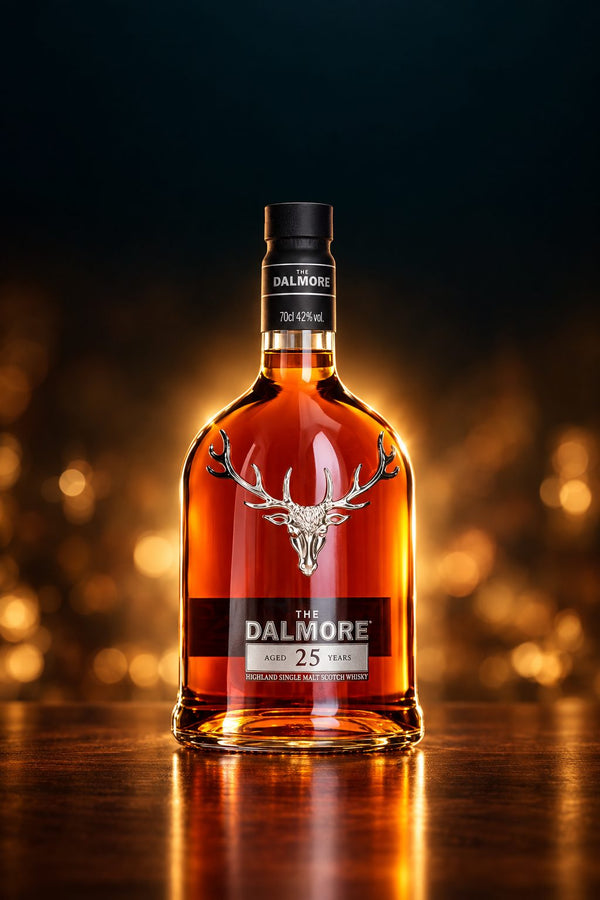
Dalmore 12 Year Old is a classic introduction to one of Scotland’s most recognisable profiles: rich, fruit-led, and elegantly layered. This guide explains what makes the whisky distinctive, how it is typically crafted, and what to look for when tasting. You will also find practical serving ideas and storage tips to help you enjoy each pour as intended. Whether you are buying for yourself or selecting a gift, you will have a clear framework to make a confident choice.
1. Taste profile and sensory highlights
2. Key benefits for new and returning drinkers
4. Step-by-step: how to taste Dalmore 12 Year Old properly
Dalmore 12 Year Old: taste profile and sensory highlights
Dalmore 12 Year Old is often chosen for its balance. It is neither starkly dry nor overtly sweet, and it tends to move smoothly between fruit, spice, and warm oak notes. At first approach, expect aromas that suggest polished fruit and subtle candied tones, supported by a light toast in the background. The palate typically feels rounded, with flavours that develop rather than simply repeat.
When you taste it deliberately, you can separate the experience into three phases. Early impressions frequently lean towards rich fruit and gentle sweetness. Mid-palate development usually introduces spice and a more structured oak character. The finish is typically warm and lingering, with a feeling of depth rather than sharpness.
To find your own “signature” notes, focus on two aspects: the interplay between fruit and oak, and the way spice arrives after the initial sweetness. Many drinkers find that the whisky opens more fully with a short rest after pouring, particularly if the glass is not pre-chilled.

Glassy spectrum of aromas: fruit, spice, toasted oak
Key benefits for new and returning drinkers
- Accessible complexity: It offers multiple layers without overwhelming first-time drinkers.
- Balanced sweetness: Fruit and honey-like impressions are supported by oak and spice.
- Consistent enjoyment: The profile tends to remain coherent across pours, making it reliable for guided tasting at home.
- Pairing flexibility: It works with a wide range of foods, from savoury starters to richer desserts.
For collectors and enthusiasts, the value lies in how representative it is of a house style. Rather than functioning as a “one-note” dram, it can anchor a tasting flight. For example, it may provide a baseline against which you compare cask influence or age statements from other single malts.
Craft and cask influences
While exact recipes can vary, the character of Dalmore 12 Year Old is strongly shaped by maturation. In whisky, casks do more than add colour. They contribute aromatic compounds, sweetness perception, spice tones, and the structure that you feel as the dram moves across the tongue.
At a high level, maturation typically draws on a combination of oak maturation and secondary cask treatment. This can introduce deeper fruit notes, a more rounded texture, and a finish that feels measured rather than aggressive. The result is a profile that many people describe as polished and “layered”.
Temperature and glassware also affect your perception. A dram warmed slightly by the hand can reveal additional top notes, while over-chilling can make the aroma feel muted. Use a steady approach: pour, observe, allow a short breath, then taste again. That second moment often clarifies where fruit ends and where spice begins.
Step-by-step: how to taste Dalmore 12 Year Old properly
Step 1: Pour and let the whisky settle
Use a clean glass with a broad bowl. Pour a modest measure and then wait one to two minutes. This short rest helps volatile aromas concentrate at the rim, improving clarity without altering the dram’s structure.
Step 2: Evaluate the nose in two passes
First pass: breathe in gently and note obvious impressions such as fruit, gentle sweetness, and toasted oak. Second pass: swirl very lightly and reassess. Look for how spice appears or strengthens after the swirl.
Step 3: Take a measured sip
Allow the whisky to coat the tongue rather than chasing immediate heat. Identify the dominant entry note, then follow how it changes. Ask yourself whether the fruit leads, whether oak becomes more prominent mid-palate, and whether spice develops rather than instantly arriving.
Step 4: Assess finish and balance
Finish is where quality often becomes obvious. Consider whether the aftertaste remains smooth, whether it turns drier, and whether the warmth lingers. A balanced whisky usually feels integrated: sweetness does not overtake oak, and spice does not dominate fruit.
Step 5: Write down your “map”
Keep a short tasting note. Simple phrases help: for example, “fruit-led entry, toast mid-palate, warm finish”. This method supports better comparison if you try another single malt later. It also helps you buy with more confidence because you can connect the bottle to a clear sensory expectation.

Tasting flight map: aroma, palate, finish checkpoints
Serving and pairing ideas
Serving is not merely preference; it influences perception. For Dalmore 12 Year Old, the most constructive approach is to let the whisky show its natural aromatics. Straight serving is often the best way to confirm your baseline. If you prefer dilution, add a small amount of water and reassess after a minute. Too much water can mute fruit expression.
Consider the following pairing ideas, keeping the focus on complement rather than conflict. The whisky typically benefits from flavours that echo its warmth and fruit character.
- Savoury starters: Nuts, roasted mushrooms, or mild cheeses can align with the oak and spice structure.
- Comfort meals: Roasts, glazed meats, and hearty gravies can match the rounded palate.
- Dessert pairings: Fruit-based desserts, such as apple or baked pear notes, can reinforce the whisky’s fruit expression.
- Chocolate: Dark chocolate with a moderate sweetness level can harmonise with warm spice and toasted oak.
If you serve it at an event, keep the conversation structured. Provide water on the side and keep portions consistent. This approach protects the tasting experience and supports fair comparison across guests.
For readers exploring related expressions, you may also find it helpful to browse curated Scotch selections such as our finest Scotch, where you can compare flavour directions across brands and maturation styles.
Storage, value, and responsible buying
Correct storage protects the whisky from unnecessary changes. Store bottles upright to reduce contact with the cork and keep them in a cool, stable environment away from sunlight. Avoid frequent temperature swings, as these can influence how the whisky matures in the bottle.
Once opened, whisky does not spoil in the way perishable spirits do. However, it can change slowly as air interacts with the dram. This is one reason responsible serving matters. Rather than overexposing the bottle, consider decanting into a smaller container if you plan to pace consumption over a longer period.
Value is best assessed by comparing your desired experience. Ask what you want from the bottle. If your aim is a balanced, fruit-and-oak style that can be enjoyed neat, the age statement can be reassuring. If you are seeking intense cask strength character, you may find other categories more aligned. Still, a well-chosen twelve-year whisky can act as a cornerstone because it tends to be versatile and expressive.
When buying, confirm authenticity through authorised retail channels. Avoid unclear listings and ensure the label and packaging are consistent. For shoppers who want to explore house styles in a broader context, it can also be useful to review the whisky range via Dalmore collections, where you can compare related offerings and find a style that matches your preferences.
For those who prefer structured categories, you may find it practical to explore single malt Scotch whisky to understand where a twelve-year expression typically sits alongside other age and maturation choices.
FAQ Section
How should Dalmore 12 Year Old taste when served neat?
When served neat, it typically presents a balanced experience with fruit-led aromatics, gentle sweetness, and a warm oak-and-spice structure. The finish is usually smooth and lingering rather than sharp. If the dram feels muted, allow it to rest briefly in the glass before reassessing.
What is the best way to add water to this whisky?
Add water sparingly and then wait. Small adjustments often clarify aromas and soften perceived sweetness, making spice and toasted oak more distinct. If you add too much, the whisky can lose definition, so incremental changes are the most reliable method.
Is Dalmore 12 Year Old suitable for beginners?
Yes, it is generally well suited to beginners because it is balanced and approachable. It offers clear flavour direction without extreme intensity, and it works equally well for neat tasting or light dilution. Its profile also makes it useful as a baseline for learning whisky styles.
Summary & Final Thoughts
Dalmore 12 Year Old is a refined, fruit-led single malt with a warm oak foundation and a finish designed for long, calm enjoyment. By tasting in stages, serving it with appropriate temperature, and pairing it with complementary flavours, you can extract more clarity from every dram. If you are ready to expand your collection or select a dependable gift, explore the wider selection on old and rare whisky for alternative expressions that may suit the same flavour instincts.
Make your next pour intentional: observe aroma, confirm palate development, and note the finish. That approach turns a simple dram into a consistent tasting experience.
About the Author Section
The Really Good Whisky Company supports whisky education through clear guidance on flavour, cask influence, and responsible purchasing decisions. Our expertise focuses on helping customers understand what to expect from each style and how to enjoy it well. For further insights, continue exploring the selection and tasting advice available through our team. Thank you for reading, and we hope your next dram is a confident one.
0 comments