


Updated on: 2026-08-31
Distillery whisky experiences provide more than a pleasant day out. They offer structured insight into how spirit is made, matured, and bottled. A good programme connects production methods with sensory evaluation, so guests can learn to taste with confidence. Planning the right type of visit also helps you avoid disappointment and get value from your time. In this guide, you will learn how to choose experiences that suit your preferences and budget.
1. What are distillery whisky experiences?
Distillery whisky experiences are guided visits or curated sessions that help visitors understand whisky production and develop practical tasting skills. They may include a tour of the maturation warehouses, a look at key stages such as malting and distillation, and a guided tasting that translates technical details into sensory reality. The best experiences balance education with accessibility. They respect that many guests are new to whisky, yet they still provide depth for enthusiasts who want to refine their palate.
In practice, these experiences often differ by distillery size, visitor capacity, and the type of whisky produced. Some programmes focus on single malt, with attention on regional character and cask influence. Others highlight blended expressions, production consistency, and the role of blending in flavour design. Some visits also offer special access, such as limited tastings, seasonal releases, or discussions with experienced staff. For many people, the value is the combination: seeing how decisions are made, then tasting the results.

Tour route map, still silhouette, aroma icons
2. Myths vs. Facts
-
Myth: You must already know whisky terms to enjoy a visit.
Fact: Credible tours explain concepts in plain language and use guided tasting to build vocabulary through experience. -
Myth: All tastings are the same.
Fact: Quality programmes vary by cask type, spirit age, and service style, and they connect each glass to a specific learning goal. -
Myth: A distillery visit is only about drinking.
Fact: The most effective experiences emphasise production context, maturation factors, and responsible tasting methods. -
Myth: Bigger distilleries automatically provide better experiences.
Fact: Guest experience depends on tour design, staff expertise, pacing, and how well the programme supports different levels of knowledge.
3. How to choose the right distillery visit
Choosing a distillery visit should be an intentional process. Start with what you want to feel at the end of the day. Do you want to learn production basics, compare styles, understand casks, or improve your tasting approach? When you match your goals to the structure of the programme, you are far more likely to enjoy the experience and retain the information.
First, examine what is included. A strong programme usually includes a guided tour component and a tasting component with clear learning outcomes. Second, assess the tasting format. Some visits offer several expressions in flight order, allowing you to compare aromatics and flavour progression. Others offer fewer glasses but deeper discussion. Neither is automatically better, but the content design should align with your preference.
Third, consider your travel constraints. Distillery experiences can be time-intensive, particularly if they involve both distillation areas and warehouse visits. Plan for walking, stairs, and variable weather. Fourth, check for accessibility of the learning content. Look for programmes that can accommodate guests who are not yet confident with whisky language. Finally, evaluate the credibility of the host. Staff who explain decisions, not just facts, tend to deliver more meaningful learning.
If you want to broaden your whisky knowledge beyond a single visit, you can also explore related ranges and regions. For curated inspiration, consider browsing collections such as single malt Scotch, or compare styles across categories like peated whisky.
4. What you will learn during a quality tour
A well-designed distillery tour should teach you how whisky character is created. That process begins with raw materials and continues through fermentation, distillation, and maturation. Rather than treating these stages as separate facts, the best experiences link them together. You learn how each choice affects texture, aroma, and flavour direction.
During a quality programme, you should expect explanations about spirit-making fundamentals. You may hear how malted barley is prepared and how fermentation shapes aroma precursors. You should also understand why distillation method matters, including how cut points and still design influence overall spirit clarity and intensity. The most memorable tours then move towards maturation. Guests typically spend a meaningful part of the visit discussing cask selection, warehouse conditions, and how time changes whisky.
Another key learning point is how to listen to your senses. Tasting is not an afterthought. It is the practical test that turns information into understanding. The host should guide you through aroma capture, palate assessment, and the final impression. You should also learn how to describe whisky in a consistent way, so your notes become useful for future comparisons.

Wooden cask rings, aroma wheel, tasting flight placards
5. Tasting with purpose: from aroma to finish
Tasting is the moment when distillery whisky experiences become personal. However, tasting is also a skill. A guided session can help you avoid common issues such as trying to memorise every detail, drinking too quickly, or focusing only on sweetness. Instead, approach tasting as a sequence of observations.
Begin with aroma. Give yourself permission to explore slowly. Notice intensity, then identify categories such as fruit, floral notes, toasted malt, spice, or wood-derived sweetness. Aroma often tells you more than the first sip. After aroma, evaluate the palate. Watch how texture feels on the tongue. Is it light and crisp, or rounded and weighty? Then look at flavour direction. Many whisky styles show a pattern: initial sweetness, mid-palate depth, and a finish that may become drier, spicier, or warmer.
Finally, consider finish and after-notes. The finish is where maturation choices often show themselves most clearly. You may find lingering spice, gentle smoke character, or a refined oak presence. A good host should also explain how temperature affects flavour and how to cleanse your palate between pours using appropriate methods.
To make the most of your visit, take structured notes. You do not need long paragraphs. Short bullet observations are enough. Record aroma categories, texture words, and two or three finish descriptors. Over time, this method builds a reliable mental library that improves your ability to compare whiskies across regions.
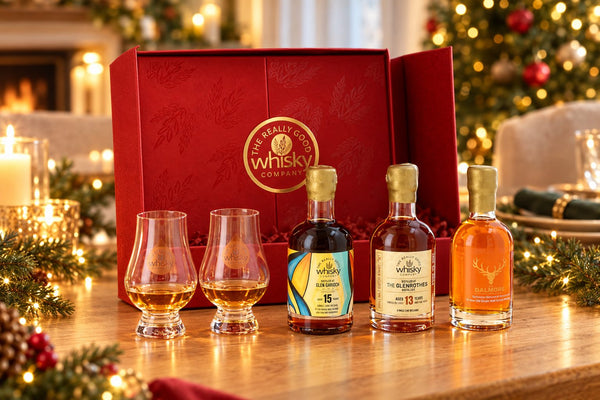
If you want the tasting component to continue after the visit, membership options can support ongoing learning. For example, consider the product below as a way to keep your whisky education active between visits.
The Really Good Whisky Club Membership

The Really Good Whisky Club Membership
6. Planning your day to get the best outcome
Preparation is a practical advantage. Start by arriving early enough to settle in. Distillery buildings can have controlled lighting and specific access rules, so arriving on time helps the host deliver a smoother schedule. Wear comfortable clothing and footwear, particularly if the itinerary includes warehouse areas. If the tasting involves multiple pours, pace your consumption and focus on technique rather than speed.
It is also wise to manage expectations about what you can learn in a single visit. Whisky production is complex, and a tour is designed for clarity, not exhaustive coverage. The best approach is to prioritise. Choose one or two learning themes for the day, such as cask influence or fermentation aromas. When you keep your attention focused, the tour becomes more useful and less overwhelming.
Consider asking questions during natural pauses. Guest-led curiosity often produces the most relevant explanations. Questions about cask selection, warehouse routines, bottling strength, or how staff calibrate flavour across batches tend to yield meaningful answers. If you are new to whisky, ask about vocabulary. A good host should be willing to define terms and connect them to what you are tasting.
Finally, consider where you will spend your time afterwards. Many visitors like to buy a small selection of suitable references for home tasting. If you prefer a guided path, you can also explore broader categories before or after your visit. For instance, you can review world whiskies to connect what you learned with other production traditions.
7. Pairing whisky with context: casks, regions, and styles
One common reason guests feel disappointed after a distillery whisky experience is that they expect the day to replace ongoing learning. A distillery visit gives you context, but whisky understanding grows with comparison. The most effective next step is to connect your new knowledge to a broader style map.
Start with casks. Many programmes explain that cask type is not just decoration; it is an active ingredient in flavour formation. Sherry-seasoned casks can contribute dried fruit and nutty impressions, while bourbon casks often add vanilla, sweet spice, and a clean oak structure. Wine casks may introduce fruit-forward aromatics and a more expressive sweetness. Even when you do not taste those exact casks during the tour, the conceptual framework helps you interpret future bottles.
Next, consider region and production style. Regional factors can influence water profile, maturation climate, and traditional approaches to spirit cut points. Single malts can show distinctive profiles that become easier to recognise after guided flights. Similarly, peated styles often reveal a specific aromatic signature that moves from smoke to earthy depth, depending on maturation and balance.
If your tour includes more than one whisky style, treat it as a comparison exercise. Notice how differences in aroma intensity relate to overall sweetness or dryness. Consider how texture changes across expressions. Then decide which style direction suits you. This decision should be based on your senses, not on marketing language.
To support ongoing exploration, you can browse structured categories on a whisky retailer site. For example, you might compare our finest Scotch to reinforce what you learned about regional character and maturation choices.
In the long term, the value of distillery whisky experiences comes from improving how you observe. You begin to taste with awareness: aroma first, then texture, then finish. That skill transfers across regions and makes each new bottle easier to interpret.
8. Final Thoughts & Takeaways
Distillery whisky experiences are best understood as guided learning, not simply an event. When the programme is well planned, you see production decisions in context and you taste the results through a deliberate sequence. That approach improves your ability to describe whisky accurately and to connect flavour to maturation and style.
Choose tours that match your goals, whether that is cask insight, tasting confidence, or regional comparison. During the visit, focus on technique: aroma categories, palate texture, and finish impressions. After the day, continue learning through structured comparison so your knowledge deepens rather than fades.
With the right preparation and mindset, a distillery visit becomes a lasting reference point. You do not only leave with memories. You leave with a clearer method for tasting and understanding whisky.
Q1: Are distillery whisky experiences suitable for complete beginners?
Yes. Many experiences are designed to introduce guests to whisky fundamentals in plain language. A quality tour explains basic terms and uses a structured tasting flight so you can learn through comparison rather than prior knowledge.
Q2: What should I focus on during the tasting to get the most value?
Focus on a clear sequence: aroma first, then palate texture and flavour direction, and finally the finish. Keeping short notes on categories and impressions helps you remember what you learned and makes later comparisons easier.
Q3: How do I decide which type of visit will suit my preferences?
Start with your desired outcome. If you enjoy learning how flavour is built, choose a tour with strong production and maturation explanation. If you prefer sensory comparison, prioritise tasting formats with multiple expressions or clear flights that show differences in style.
Q4: Will a distillery visit make me better at choosing whisky to buy?
It often improves decision-making because you learn to recognise flavour patterns and identify which cask or style direction you enjoy. Over time, this makes selecting bottles simpler, since you can match what you like to the characteristics you have experienced.
About the Author
The Really Good Whisky Company shares practical guidance for whisky enthusiasts and first-time drinkers alike. Our team specialises in whisky education, tasting methodology, and structured recommendations that help readers connect flavour to process. We encourage responsible enjoyment and thoughtful exploration across styles and regions. Thank you for reading, and we hope your next distillery whisky experience deepens both your palate and your understanding.
Disclaimer: This article is for general informational purposes only. Distillery tours and tasting formats vary by venue and schedule, and guests should confirm details directly with the provider. Enjoy alcohol responsibly.
0 comments