



Updated on: 2026-11-11
The Glenfiddich 18 Year Old is a modern classic that balances orchard fruit, gentle spice, and a refined oak influence. In this guide, you will learn what to expect on the nose and palate, and how maturation choices shape the overall character. You will also find practical tasting cues, common misconceptions, and buying considerations for collectors and gifting.
Contents
- 1. What makes Glenfiddich 18 special
- 2. Product spotlight: the style profile you should expect
- 3. Myths vs. facts about mature Speyside whisky
- 4. Tasting notes and how to serve it
- 5. Pairing and occasion ideas
- 6. Where to buy and how to choose confidently
- 7. Visual guide
- 8. Final recommendations
- 9. Frequently asked questions
- 10. Q&A
- 11. About the author
What makes Glenfiddich 18 special
Glenfiddich 18 Year Old holds an influential position in Speyside whisky because it communicates maturity without losing clarity. It is designed for balanced enjoyment rather than extremes. At eighteen years, the whisky typically reaches a point where fruit character, sweet oak, and a measured level of spice feel fully integrated. The result is a dram that suits both first-time buyers and seasoned drinkers who want a dependable expression of refined single malt quality.
While age is not the only driver of flavour, it often correlates with a richer mouthfeel and a more polished finish. In this style, the maturation process supports layered aroma development. You may notice that the early impression reads as bright and inviting, while later notes lean into honeyed sweetness and soft, toasted oak. This progression is one reason the Glenfiddich 18 Year Old is frequently chosen as a gift: it tends to reward attention without demanding technical knowledge.
Product spotlight: the style profile you should expect
The Glenfiddich 18 Year Old generally presents a classic Speyside profile with a focus on fruit, gentle sweetness, and oak refinement. The nose often highlights orchard tones, such as ripe apple or pear, alongside warm vanilla and subtle spice. On the palate, the whisky typically feels smooth and rounded, with flavours that move from fruit sweetness into nutty oak notes. The finish is usually medium to long, leaving a clean trail of spice, wood polish, and lingering sweetness that does not feel heavy.
If you are comparing it with younger bottlings, you will likely detect less sharpness and more integrated depth. If you are comparing it with cask-strength or heavily peated styles, you will notice greater emphasis on balance rather than intensity. This makes it a strong reference point for understanding Speyside character across different ages and finishes.

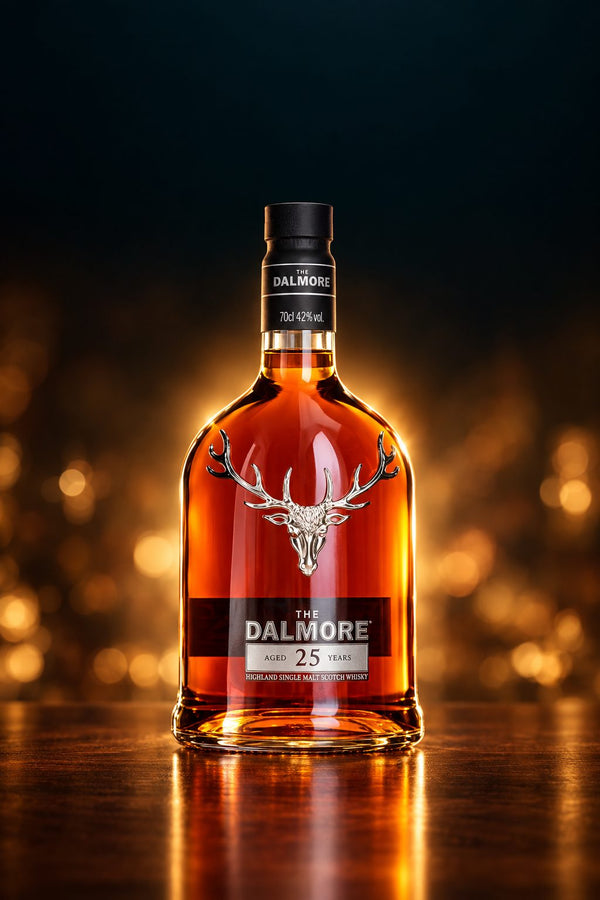
Orchard fruit, vanilla oak, and soft spice visual cues
To explore related single malt styles, you may find it useful to browse single malt scotch whiskies and compare how maturation age and cask choices alter aroma and texture.
Myths vs. facts about mature Speyside whisky
Myth 1: Older whisky always tastes stronger
Fact: Older whisky often tastes more integrated rather than simply stronger. Weight and intensity depend on cask type, finishing approach, and the spirit’s underlying balance. In many eighteen-year expressions, the strength of flavour is shaped into smoothness, not raw impact.
Myth 2: Oak dominates the flavour in every 18-year bottling
Fact: Oak has a role, but it is not guaranteed to overpower fruit. A well-made Speyside dram can keep oak notes supportive, allowing fruit sweetness and light spice to remain prominent.
Myth 3: If it is popular, it cannot be complex
Fact: Popularity and complexity are not mutually exclusive. Many broadly loved whiskies are popular because they are consistent, accessible, and detailed enough for repeat enjoyment.
Tasting notes and how to serve it
Serving temperature affects perception. For the Glenfiddich 18 Year Old, a lightly chilled or cellar temperature pour is a practical starting point. If you serve it too cold, sweetness can feel muted and aromatic detail can tighten. If you serve it too warm, alcohol sensation may rise and distract from the fruit and oak integration.
Use a tulip-style glass or a classic single malt nosing glass. First, inhale gently and look for a layered aroma rather than a single dominant note. Expect a fruit-led opening followed by vanilla and warm spice. After a few seconds, the whisky often reveals deeper oak nuance, which can include polished wood and light toasty impressions.
When tasting, take a small sip and let it coat the sides of the tongue. The mouthfeel is typically smooth, with sweetness balanced by mild spice. You may detect notes that resemble honeyed fruit, toasted nuts, and a calm oak structure. As it fades, focus on the finish: a measured sweetness, gentle spice, and a clean, refined end note indicate a maturation that has settled well.
Pairing and occasion ideas
The Glenfiddich 18 Year Old tends to pair well with foods that support sweetness and texture. Because it is not dominated by peat smoke, it can complement dishes without being overridden. Consider pairing it with desserts that include vanilla, caramel, or baked fruit. A simple tart or a light sponge with fruit preserves can mirror the whisky’s orchard character.
For savoury pairing, look for dishes with gentle richness. Roast chicken with herbs, pork with a mild sauce, or creamy mushroom dishes can align with the whisky’s smooth oak structure. If you enjoy cheese, choose varieties that offer creaminess and subtle nutty tones rather than very strong pungency.
Occasion matters. This whisky works for quiet tasting at home, formal dinners where guests expect refinement, and celebratory gifting where elegance is the priority. It is also a useful “benchmark dram” when you are learning whisky profiles, because it communicates balance clearly.

Pairing textures: caramel, baked fruit, and soft cheese cues
Where to buy and how to choose confidently
When choosing a bottle, focus on authenticity, storage condition, and packaging integrity. Buying from a reputable retailer reduces risk. If a retailer provides clear product details and transparent availability, you can make a confident purchase. Check labels carefully and ensure that the presentation is consistent with the brand’s established style.
If you want to explore other mature expressions or related whisky families, browsing curated ranges can improve decision-making. For example, the our finest scotch collection can help you compare how different bottlings express age, cask influence, and flavour structure. For a broader approach across styles, you may also look through world whiskies to understand how maturation traditions vary outside Scotland.
Finally, consider how you plan to use the whisky. If it is for regular sipping, choose the bottle that matches your preferred texture and sweetness level. If it is for a gift, select a dram that is approachable and likely to satisfy a wide range of palates.
Final recommendations
The Glenfiddich 18 Year Old is best approached with an expectation of balance: fruit character at the forefront, supportive oak, and a finish that feels polished rather than forceful. If you are seeking a mature Speyside that works for both casual enjoyment and careful tasting, it is a strong candidate.
- Serve at a comfortable temperature to preserve aroma clarity.
- Use a proper glass and take time to inhale before the first sip.
- Pay attention to the finish, as it typically reflects how well the maturation has integrated.
- Pair with desserts featuring vanilla, caramel, or baked orchard fruit, or choose creamy savoury dishes.
If your goal is to deepen whisky knowledge, this dram can also act as a reference point for comparing how cask influence and age affect overall structure.
Frequently asked questions
Is the Glenfiddich 18 Year Old suitable for beginners?
Yes. Its balance and polished fruit-and-oak profile usually make it approachable. It is less demanding than heavily peated or very high-strength styles, while still offering mature complexity.
What does it typically taste like?
Expect orchard fruit, gentle sweetness, vanilla warmth, and soft spice. The overall impression is smooth, with oak integration that supports rather than dominates.
Should it be enjoyed neat or with water?
Many drinkers enjoy it neat to appreciate clarity. If you wish to explore further, add a small amount of water and reassess the aroma after a short pause, as dilution can sometimes lift fruit and soften oak edges.
Q&A Section
How can I recognise good integration in an eighteen-year single malt?
Good integration usually presents as a gradual shift from fruit and sweetness to oak and spice without abrupt changes. On the nose, aromas should feel layered rather than separated into isolated notes. On the palate, sweetness should not feel singular; it should blend into texture and finish.
What is the best way to assess aroma before tasting?
Pour a small measure, then take two or three gentle sniffs with a brief pause between each. The first sniff often suggests the dominant fruit impression, while later sniffs reveal oak warmth and spice. If the whisky feels tight, allow it to sit in the glass for a minute to open.
Which flavours should I expect at the end of the sip?
The finish often includes lingering spice and a calm wood sweetness. A refined finish typically feels clean and cohesive, with toasted notes or gentle vanilla warmth fading slowly rather than aggressively.
How does this style compare with other mature Scotch options?
This expression is generally more fruit-forward and smooth than many heavily peated whiskies. Compared with some cask-strength drams, it tends to feel more controlled and elegant. Compared with lighter, younger expressions, it usually shows more oak character and a longer, more settled finish.
About the Author Section
The Really Good Whisky Company is an established name in whisky guidance, selection, and education, with a focus on helping customers find drams that match their preferences. Our team brings practical tasting expertise and industry-informed perspective, from maturation fundamentals to flavour profiling. We aim to make whisky buying more confident and less complicated. Thank you for reading, and enjoy exploring the wider world of mature single malts.
Disclaimer: This article is for general information and does not constitute advice on purchasing, drinking, or any other decision. Whisky experiences can vary by individual preference, serving conditions, and storage history. Always drink responsibly.
0 comments