



Updated on: 2026-10-20
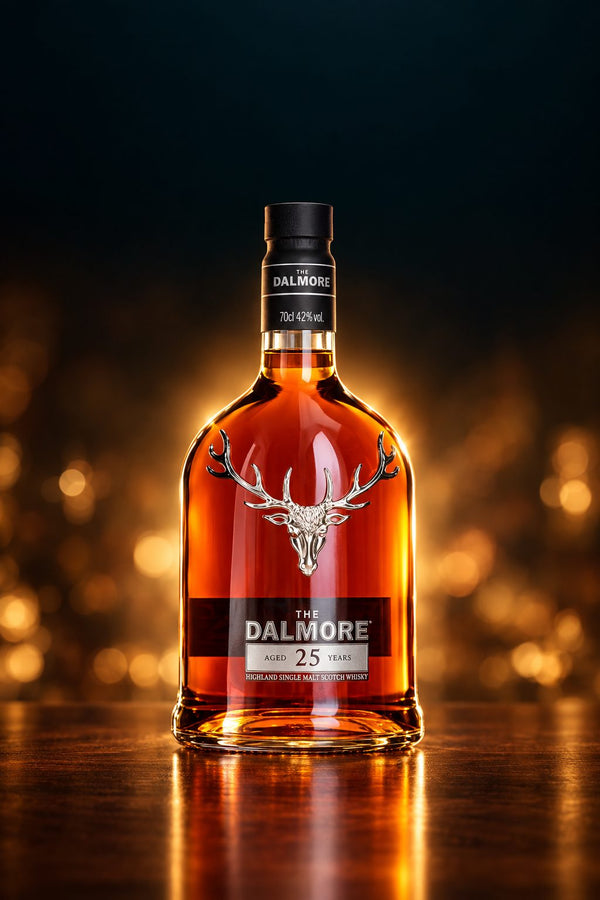
Glengoyne 25 Year Old: a calm, expressive Highland classic
The Glengoyne 25 Year Old is a richly layered single malt whisky that suits collectors and confident everyday drinkers alike. It offers a measured style, built on patient maturation and a thoughtful approach to flavour development. For readers who are new to long-aged Speyside-adjacent character or experienced tasters seeking a refined expression, this bottling provides a reliable benchmark: balance first, then depth.
In practical terms, the bottle communicates what long ageing should deliver. Expect a slow unfolding of aroma and palate impressions rather than aggressive impact. That makes it well suited to quiet evenings, guided tastings, and moments when you want the whisky to speak clearly without distraction.
Practical guide
Choose the right moment for 25-year-old style
Long maturation tends to reward calm attention. If you are serving the whisky as a centrepiece, select a setting where you can pour, smell, and taste without rushing. A short pause before the first sip is not a luxury; it allows volatile aromas to come forward. This is particularly helpful when you are comparing notes across multiple whiskies.
For gift occasions, consider the recipient’s preferences rather than only the age statement. If they value subtle sweetness, controlled oak influence, and a gentle finish, a mature Glengoyne profile is often a strong fit. If they prefer very high intensity, you can still serve it, but explain that this style prioritises clarity over force.
Serve with temperature control and a suitable glass
To preserve nuance, use moderate serving temperature. A cool glass can mute aroma, while an overly warm one can make oak tones dominate. Choose a glass that encourages airflow around the whisky, such as a tulip-shaped tasting glass. A proper glass also helps you identify aromatic layers more consistently.
When pouring, start with a measure that fits your tasting habits. A smaller volume makes it easier to swirl and re-smell. Swirling should be deliberate and gentle, just enough to release aroma without forcing excess vapour.
Apply a simple tasting framework
Use a structured approach so your notes are meaningful. Begin with aroma, then assess palate texture, then finish. Long-aged single malt whisky frequently shows a multi-stage progression, so focus on how impressions change from first sip to final swallow. Rather than seeking one “dominant” flavour, listen for the rhythm: sweetness, then fruit or spice cues, then oak, then a clean exit.
If you are tasting for selection, compare it against whiskies you already know. The goal is not to rank everything, but to understand relative style. That way, when you later buy a similar age statement or cask style, your expectations remain accurate.

Tasting notes visual: aroma wheel, water droplets, warm light
Pairing guidance for mature single malt
Food pairing should support, not mask. Mature Highland whisky often pairs well with dishes that hold gentle sweetness, toasted edges, or soft savoury depth. Examples include mature cheese, rich bread-based accompaniments, or desserts with nut, caramel, or dried-fruit notes.
Keep sweetness in balance. If a dish is overly sugary, the whisky may appear drier than expected. If the dish is salty, it may lift spice and oak cues, which can be desirable. Use small tastings of both the whisky and the food so you learn your preferred pairing rhythm.
Storage and handling for consistent enjoyment
While bottled whisky is typically stable, correct storage helps maintain the intended experience. Store the bottle upright to limit contact with any headspace and keep it away from direct sunlight. A steady, cool environment reduces temperature swings and helps the whisky settle.
When reopening a bottle, allow it to breathe for a short time in the glass. This is especially useful if the whisky has been stored for some time. Do not over-expose it to air; just give aromas an opportunity to rise.
Explore related whisky categories
If you are building a wider collection, a single-bottle education plan is efficient. Start with a few trusted frameworks: cask influence, age statements, and regional style. You can then compare how sherry-led profiles differ from bourbon-led ones, or how peated character changes texture and finish.
For a broader view of independent bottlings and curated selections, explore independent bottlings. For those focused on classic Scotch depth, browse single malt Scotch whisky. If you prefer sherry-driven richness and dessert-like aromatics, you may also find useful context in sherry cask whisky.
Key advantages of Glengoyne 25 Year Old
- Refined balance: The whisky prioritises clarity and measured sweetness rather than sudden intensity.
- Layered maturation character: Long ageing supports a gradual, multi-stage aroma and palate development.
- Oak expression with restraint: Oak notes appear structured and supportive, rather than overpowering.
- Collector-grade versatility: It serves as a benchmark for tastings and a satisfying pour for private moments.
- Food pairing flexibility: Mature sweetness and toasted cues can complement both savoury and dessert selections.
What to expect in the glass
When you evaluate a 25-year-old bottling, aim to identify structure. Mature single malt whisky often presents aromas that feel rounded rather than sharp. On the palate, look for texture: a sense of weight, followed by evolving flavours that remain coherent through the finish. The most successful long-aged expressions feel integrated, meaning oak, fruit notes, and sweetness do not fight for control.
If you are accustomed to younger whiskies, you may notice that the finish is more persistent but less forceful. This can be a persuasive reason to choose it for evening tastings, where you want to stay engaged without fatigue.

Layered flavour map: aroma bands, oak texture lines, soft finish halo
Why age matters when quality is consistent
Age statements alone do not guarantee excellence. The real differentiator is how a whisky is managed across the maturation journey. When distillery decisions, cask selection, and time in wood align, age becomes a tool for refinement rather than simply an indicator of time passed. With a mature Glengoyne-style profile, you are likely to experience a controlled evolution that supports nuance.
From a purchasing perspective, age can be a useful filter, but it should be paired with an understanding of style. If you enjoy a calm, balanced approach, a long-aged expression can deliver a reliable sensory outcome. If you prefer pronounced peat or high-octane spirit character, you may prefer other styles. This is not a limitation; it is a clear match between expectations and bottle design.
Summary and next steps
The Glengoyne 25 Year Old delivers what well-made long-aged single malt should provide: refined balance, layered complexity, and an oak influence that supports rather than dominates. To enjoy it properly, serve it at a moderate temperature, use a glass that enhances aroma, and taste with a simple structure. If you want to broaden your whisky knowledge, compare it with other single malts and cask-led styles so you learn how different maturation paths change texture and finish.
Your next step is practical: plan a short tasting session, record your impressions, and then explore curated categories on our finest Scotch to widen your selection with confidence.
Q&A
How does a 25-year-old single malt typically taste compared with younger bottlings?
A 25-year-old whisky commonly tastes more integrated and less sharp. Aromas tend to feel rounder, with oak influence that supports fruit and sweetness rather than overpowering them. In many cases, the finish also appears longer, though it may feel less “spiky” than younger expressions.
What is the best way to taste Glengoyne 25 Year Old at home?
Use a tulip-shaped tasting glass and pour a modest measure. Let the whisky sit for a brief moment in the glass, then evaluate aroma in stages: first a quick smell, then a second deeper assessment after a gentle swirl. Take one controlled sip, assess texture, and note how the flavour shifts before the finish.
Does long ageing make the whisky less suitable for food pairing?
On the contrary, mature whiskies often pair well with both savoury and sweet foods. The key is balance. Choose dishes that bring soft richness, toasted notes, or gentle sweetness, and avoid overly aggressive salt or sugar that can mask delicate layers.
Is Glengoyne 25 Year Old a good choice for collectors and gift buyers?
It is frequently a strong choice when the recipient values refinement, calm complexity, and an expressive yet controlled single malt style. For gifts, it is helpful to consider their taste profile. If they enjoy balanced, long-aged character, a 25-year-old expression is typically well received.
About the author
The Really Good Whisky Company
Written by the team at The Really Good Whisky Company , a specialist retailer focused on thoughtfully sourced whisky experiences. The author team brings expertise in mature single malts, cask-driven flavour development, and customer-focused guidance for choosing bottles with confidence. Their aim is to help readers understand what they are tasting and why it matters. Thank you for reading, and we hope you enjoy your next pour.
Disclaimer: This article is for general information and personal enjoyment only. Alcohol consumption carries risks. Please consume responsibly and ensure you comply with all local laws and age requirements.
0 comments