

Updated on: 2026-09-17
Spicy Scotch whisky is prized for its warm aromatics, warming palate and lingering finish. When handled well, the right styles of single malt, cask type and serving temperature can bring out peppery, toasty and herbal notes. This guide explains what makes a whisky taste “spicy”, compares myths with practical facts, and offers dependable ways to serve and pair it. You will also find concise answers to common questions and clear recommendations for building a consistent tasting approach.
Table of Contents
Introduction | Product Spotlight | What Spicy Scotch Whisky Really Means | Myths vs. Facts | Serving Techniques That Enhance Spice | Pairings and Glassware | Frequently Asked Questions | Final Recommendations | Q&A
Introduction
Choosing a dram is easier when you can describe what you are actually tasting. Spicy Scotch whisky often signals a specific balance: warm aromatics, a structured palate and a finish that feels dry, toasted or gently peppered. This article helps you understand how spice is created, how to recognise it in the glass, and how to enjoy it consistently at home.
You will learn what “spice” tends to mean in Scotch tasting terms, how production factors such as maturation and cask influence flavour, and what practical steps improve the experience. The aim is not to chase hype, but to support confident selection and mindful service.
Product Spotlight
One reliable route to exploring spice in Scotch is Highland single malt, where oak, smoke-free richness and maturation can produce warm notes without overwhelming sweetness. A dependable example is the Dalmore 12 Year Old, which typically presents as aromatic and gently warming, with layered vanilla, dried fruit and oak-led depth that can read as spice when served correctly.

Warm colour tones, oak staves, and pepper-like spark shapes
To explore spice through a structured bottling, consider starting your tasting with a known style and then adjusting only one variable at a time, such as glass shape or the addition of a small amount of water. That approach helps you separate genuine flavour character from service effects.
Dalmore 12 Year Old Highland Single Malt Scotch Whisky - 70cl 40%,
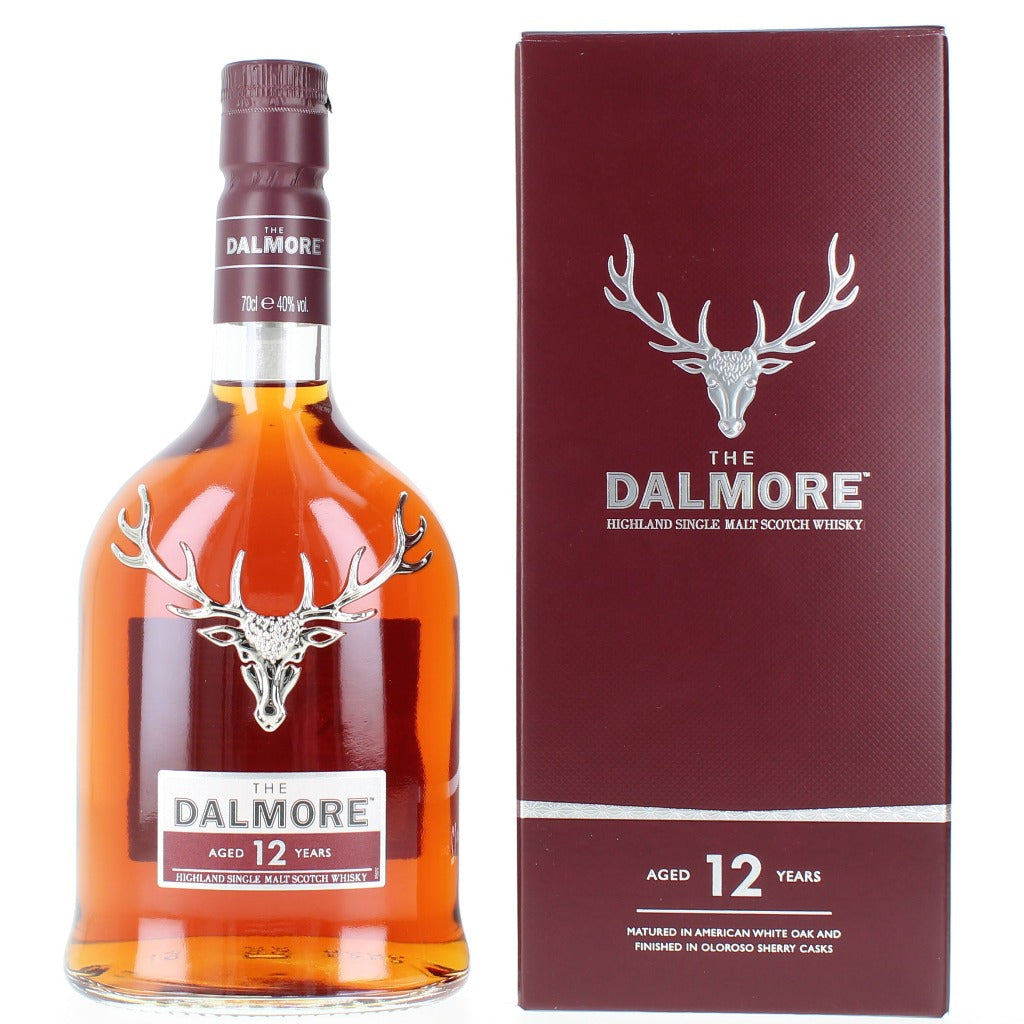
For more single malt options that match your interest in richer, warming profiles, you can browse single malt Scotch whiskies and filter by style and finish.
What Spicy Scotch Whisky Really Means
Spice is an impression, not a single flavour. In Scotch tasting, it usually refers to aromatic warmth and palate sensation that resembles black pepper, clove, nutmeg, cinnamon, toasted oak or dried herbs. Importantly, “spicy” does not automatically mean the whisky is high in alcohol or heavily peated. Many classic Scotch expressions read as spicy because of how sugars, oak compounds and fermentation by-products combine during maturation.
Key flavour signals to listen for
- Aromatics that rise quickly: clove-like warmth, toasted spice and a gentle dried-fruit edge.
- Palate structure: a core of oak-driven sweetness followed by a drier, peppered finish.
- Finish that feels warming: lingering heat that is smooth rather than sharp, with repeated notes of toast and spice.
Why casks matter
Maturation shapes spice by adding wood-derived character and by balancing sweetness and dryness. Bourbon casks often contribute vanilla and soft toast. Sherry casks can add dried fruit, cocoa and deeper spice impressions. Wine and rum casks can also build aromatic complexity, which some drinkers interpret as “spice” when it presents as warmth rather than sweetness alone.
If you want to compare how cask influence changes perceived spice, explore sherry-cask whisky alongside bourbon-led styles, then note which one produces the peppered or nutmeg-like impression you enjoy.

Four tasting notes around a glass: pepper, toast, oak, dried fruit
Myths vs. Facts
Spice can be misunderstood. The myths below are common, but they do not hold up under systematic tasting.
Myth 1: Spicy Scotch whisky is always peated
Fact: Peat brings smoky and earthy elements, which may feel warm, but spice and peat are distinct. A whisky can taste peppery and toasted without any smoke character. If your “spice” impression includes charcoal-like notes, then peat may be contributing, but it is not a requirement.
Myth 2: Adding water always reduces spice
Fact: Small additions of water often help aromatics open up. When used with restraint, it can lift clove, nutmeg and oak warmth while smoothing harsh edges. The key is increment control and tasting after each change.
Myth 3: The most expensive whisky is the spiciest
Fact: Price is not a direct measure of spice intensity. Maturation time, cask type and production decisions influence flavour, but a well-chosen younger or independent bottling can deliver vivid spice impressions. Selection should start from flavour targets, not price.
Serving Techniques That Enhance Spice
Small adjustments can shift a whisky from “warm” to genuinely “spicy” on the palate. Focus on controlled changes so you learn what matters for your preferences.
1) Use the right glass
A tulip-shaped nosing glass directs aromatics to the centre of your palate impression. A standard tumbler can work, but it tends to widen the airflow and reduce focus. For spice-focused tasting, prioritise glassware that supports controlled aroma concentration.
2) Temperature control
Serve slightly below room temperature if possible. Warmer whisky can highlight alcohol warmth and reduce the clarity of spice notes. Cooler service often improves definition, revealing toasted oak, dried herbs and pepper-like warmth without aggressive heat.
3) Consider a measured dilution
If the whisky feels tight or overly alcoholic, add a minimal amount of water and rest for a minute. Taste again, focusing on the first sip, then the mid-palate. Spice often shows up more clearly after aromatics have opened.
4) Observe texture, not only flavour
Spicy whiskies frequently carry a drying texture at the back of the palate. Pay attention to how the finish grips the mouth: if it becomes drier and more toasted over time, the “spice” is likely oak-led and well integrated.
Pairings and Glassware
Pairing does not need to be elaborate. A good match respects the whisky’s structure, particularly the balance between sweetness and dryness that underpins spice. Use food that mirrors or contrasts the spice profile without overpowering it.
Food pairings that support spice
- Roasted nuts and dark chocolate: enhance toasted oak and cocoa-like warmth.
- Chargrilled meats: complement pepper notes and smoky edges where present.
- Hard cheeses: add salt and fat that clarify spice impressions.
- Spiced desserts: such as baked fruit with mild cinnamon, provided the whisky is not extremely sweet.
Pairing rules that prevent imbalance
- Avoid overly sweet pairings with whisky that already carries sherry-like sweetness.
- Choose either a gentle contrast or a supportive echo of warmth; do not combine both intensities at once.
- When in doubt, start with plain roasted items and allow spice to emerge gradually.
If you prefer a curated approach to whisky selection, you may also explore broader categories such as old and rare whisky for more complex oak-led profiles that often present spice in a layered manner. Where possible, compare two whiskies side by side and record differences in aroma, mid-palate and finish length.
You can also explore wider drink culture resources through Amanita Store, which can be useful for background reading on flavour perception, pairing principles and tasting etiquette.
Frequently Asked Questions
How can I tell if a whisky is truly spicy or simply sweet?
Spice typically reads as warmth with a dry or toasted finish. Sweetness usually feels rounder and lingers as syrupy fruit or vanilla. In a side-by-side tasting, note whether the finish becomes drier and peppered, which is a strong sign of spice rather than only sweetness.
Does cask type determine spice intensity?
Cask type strongly influences perceived spice because it supplies oak compounds and shapes the balance between sweetness and dryness. Bourbon casks often create vanilla and toast, while sherry and other cask types can add dried fruit depth that some drinkers interpret as spice warmth.
Is spicy Scotch whisky suitable for beginners?
Yes, provided you select a whisky with a balanced structure and serve it thoughtfully. Start with a whisky that is known to be approachable, then adjust temperature and dilution to reveal aromatics without overwhelming alcohol heat.
Final Recommendations
To enjoy spicy Scotch whisky with confidence, begin with a clear tasting intention. Decide which spice notes you seek, then select a style that supports it through cask influence and maturation character. Use controlled serving conditions: stable glassware, slightly cooler temperature and minimal dilution if needed.
When you find a profile you enjoy, repeat the tasting process and adjust only one variable per session. That method builds genuine knowledge and prevents you from misattributing flavour changes to the whisky when the cause is actually the service.
For further exploration, compare a range of single malts and cask types. If your goal is warmth and spice without smoke, prioritise non-peated profiles; if your goal is peppery complexity with additional edge, consider styles that carry deeper oak and richer finishing.
Q&A Section
What does “spice” taste like in Scotch whisky?
In most Scotch tastings, spice feels like toasted oak warmth combined with aromatic cues such as black pepper, clove and nutmeg. Many drinkers also describe a dried-herb or gently woody character that becomes more apparent as the whisky opens.
Should spicy Scotch whisky be enjoyed neat or with water?
Both can work, but the best choice depends on the whisky’s structure. If the whisky feels tight or hot, a small amount of water often clarifies spice notes. If it already presents smoothly, neat service can preserve delicate aromatics. Taste consistently to decide for your preference.
How do I select a spicy Scotch whisky for a specific occasion?
For relaxed evenings, choose a balanced whisky with a warm finish and controlled dryness. For pairing with food, prioritise spiced notes that respond well to salt and fat, such as roasted flavours or hard cheese. For gifting, favour approachable profiles where spice is integrated rather than sharply assertive.
Can I build a “spice” tasting score at home?
Yes. Use simple categories such as aroma warmth, palate pepperiness, toast character and finish dryness. Rate each element consistently on a five-point scale, then compare bottles using the same serving method. Over time, this reveals which styles reliably produce the spice profile you prefer.
Where should I start if I want variety beyond one region?
Start with style-based selection rather than geography alone. Compare whiskies from different regions by focusing on cask type and flavour structure, then document what changes. That approach makes it easier to identify what creates spice for you.
What is the most common reason people fail to notice spice?
Often the whisky is served too warm or at too much dilution. Warmth can elevate alcohol heat and mask finer aromatic warmth, while excessive water can flatten structure. A stable temperature and small, measured changes usually improve clarity.
Are independent bottlings more likely to taste spicy?
Independent bottlings can be excellent for spice exploration because they sometimes select casks for distinctive integration. However, spice is not guaranteed; it remains dependent on maturation and cask character. Treat each bottling as a separate tasting experience.
Can glass shape change how spicy a whisky seems?
Yes. Glass shape influences airflow and where aromatics concentrate. A glass that focuses aroma can make pepper-like and clove-like cues appear more clearly. If two whiskies taste different in the same glass, the difference is more likely to be the whisky than the container.
What should I do if I find spice “overwhelming”?
Reduce perceived intensity by serving slightly cooler or adding a small amount of water. Also try pairing with fatty foods, which can soften dryness and make warmth feel more rounded. If spice still feels sharp, shift to whisky styles that emphasise creamier textures rather than dry oak.
Is “spicy” the same as “cask strength”?
No. Cask strength affects alcohol intensity and can make the whisky feel warmer, but it does not automatically create spice. A whisky can be cask strength with minimal spice character, or a lower strength whisky with clear toasted and peppered notes.
Does time in the glass increase spice?
Often it does. Resting after pouring can allow aromatics to settle and compounds to integrate. If you wait a minute before the first serious sip, you may detect spice notes earlier and with more clarity.
How can I make tasting notes more accurate?
Write down what you experience in three stages: initial nose, first sip and finish. Use consistent wording categories such as toast, pepper, clove, dried fruit and herbal warmth. Over time, your notes become more repeatable and useful for choosing future whiskies.
About the Author
The Really Good Whisky Company
The Really Good Whisky Company is dedicated to helping whisky lovers understand character, cask influence and confident serving. With expertise across Scotch styles and flavour profiling, the team focuses on practical guidance rather than marketing claims. Expect clear, objective advice designed to support better selection and more enjoyable tastings. Thank you for reading, and we hope you find a spicy Scotch whisky that suits your palate.
0 comments