

Updated on: 2026-10-08
Table of Contents
- How to taste whisky with orange and spice notes
- Understanding the flavour profile behind orange and spice
- Choosing whiskies that highlight citrus and warming spice
- Pairing guidance for citrus, fruit notes, and spice
- Service and glassware tips for maximum clarity
- Common mistakes that mute orange and spice character
- Why tasting experience matters for consistent enjoyment
- FAQ
- Closing thoughts
- About the Author
How to taste whisky with orange and spice notes
Learning how to taste citrus and spice in whisky improves both selection and enjoyment. The key is to approach tasting as a structured process, rather than a single sip. When done carefully, you can detect the subtle interplay between fresh fruit aromas, sweet orange peel, and warming spice such as ginger, clove, or cinnamon.
-
Start with the right conditions: use still air, avoid strong flavours nearby, and allow the whisky to sit at your usual drinking temperature.
-
Pour a modest measure into a clean glass. A smaller fill makes aroma concentration easier to assess.
-
Observe colour under natural light. Look for hints of amber, golden tones, or deeper copper shades, which often correlate with cask influence.
-
Smell in three stages. First, take a light sniff near the top. Next, swirl gently and smell again. Finally, allow the glass to rest briefly and smell a third time.
-
Map aromas to likely sources. Citrusy notes often resemble orange zest, preserved citrus, or candied peel. Spice can show as gingerbread-like warmth, toasted oak, or clove-like character.
-
Take a controlled sip. Let it coat the palate and notice whether sweetness appears quickly or develops over time.
-
Evaluate texture and finish. Orange and spice profiles are frequently accompanied by a medium body and a finish that feels dry-warm rather than oily or purely sweet.

Glassware, citrus zest imagery, and warm spice symbols
If you want an efficient way to practice, repeat the same steps with one bottle at a time. Keep notes on aroma timing and finish length. You will begin to identify patterns, such as whether the orange element appears on the nose first, or whether it emerges after a few seconds on the palate.
Understanding the flavour profile behind orange and spice
Orange and spice character is often the result of multiple influences. Whisky sweetness can be shaped by maturation, while aroma complexity may come from cask type, wood contact, and the distillation and maturation balance. Spice notes can also be enhanced by the way a whisky expresses toasted oak, vanilla, and subtle caramelised sugars.
Consider how flavours build across the tasting journey:
-
Nose: Citrus aromas may be perceived as fresh zest, dried peel, or marmalade-like sweetness depending on oxygen exposure and temperature.
-
Palate: The spice component may present as ginger warmth, peppery edges, or clove and cinnamon impressions. These sensations are usually not purely “hot”, but rather gently warming.
-
Finish: A dry-warm finish often suggests oak influence. If the finish is both warming and lightly sweet, it can indicate a balance between wood character and residual fruit-like compounds.
When you are trying to identify this profile, avoid relying only on taste. Many drinkers remember the first impression but miss later development. A controlled swirl and a short pause between sniffs can reveal more of the orange peel and spice layering.
Choosing whiskies that highlight citrus and warming spice
Selection begins with understanding style. Not every whisky will present orange and spice character, but certain maturation pathways and whisky styles tend to offer brighter fruit impressions and a warming mid-palate. Instead of chasing a single descriptor, look for evidence of sweetness, wood integration, and aromatic lift.
Look for cask influence and aromatic lift
Whiskies matured in casks with expressive wood can show toasted oak and vanilla, which often support spicy perceptions. If the cask also brings fruit sweetness or a gentle dried-fruit impression, citrus-like notes can become more apparent.
Consider where the spice sits
Spice in whisky is not one flavour. It may feel like:
ginger warmth with a fresh edge
clove or cinnamon impressions that feel rounder
toasted oak spice that reads as a dry, savoury note
Choose bottles where spice appears as a supportive companion to fruit rather than overpowering the palate.
Use tastings as a selection filter
If you taste before buying, record two or three descriptors only. For example, note whether citrus is present on the nose and whether spice shows in the finish. Over time, you will build a personal “profile map”.
To explore different styles and maturation approaches, you can browse world whiskies and compare how citrus and spice character may differ across regions.
Pairing guidance for citrus, fruit notes, and spice
Pairing is a powerful way to confirm what you taste in the glass. Citrus-friendly foods can highlight orange peel impressions, while gentle sweet heat can amplify spice sensations without overwhelming them. The goal is harmony, not contrast for contrast’s sake.
Work with citrus and spice rather than against them
When you pair, aim to match intensity. If the whisky shows medium sweetness and a warm spice finish, choose dishes with a similar level of aromatic lift.
Seasonal fruit elements: orange segments, tangerine zest, or lightly sweetened citrus desserts.
Spice-aligned dishes: mild ginger notes, cinnamon-based pastries, or dishes featuring warm aromatics such as clove and nutmeg.
Comfort foods: roasted poultry with a light glaze, or savoury dishes with gentle sweetness.
Nuts and chocolate: dark chocolate with moderate sweetness or toasted nuts can support toasted oak and spice impressions.
Consider contrast when the whisky is delicate
If your whisky is lighter and more aromatic, a subtle contrast can work well. Try a lightly acidic dish to lift citrus aromas, but keep the spice level modest so the whisky remains the focal point.

Cut citrus, spiced baking shapes, and warm oak tones
Practical pairing example
Imagine a whisky where orange zest appears on the nose and spice develops on the palate. Pair it with a meal that has both brightness and warmth, such as roasted game with a mild fruit glaze or spiced pastries with a restrained sugar profile. You should notice the orange peel impression becoming more integrated and the spice feeling more rounded.
Service and glassware tips for maximum clarity
Service choices influence aroma perception. Even a good bottle can seem flat if served incorrectly. Consistency is your ally.
Temperature: use “room” with intention
Most whisky expressions perform best when you serve them cool enough to preserve aroma but warm enough for flavour development. If a bottle is very cold, aromas may retreat. If it is too warm, spirit intensity can dominate.
Glass shape: prioritise aroma focus
A glass that narrows slightly at the top typically concentrates volatile aromas. This helps you detect citrus zest and spice nuances early in the tasting sequence.
Allow time after pouring
Many drinkers rush the first sniff. Let the whisky settle for a few minutes, then revisit the nose. Orange and spice notes often become clearer as alcohol volatility stabilises.
Water: use sparingly and deliberately
Adding a small amount of water can reduce harshness and make aromas more approachable. However, excessive water can dilute citrus lift and flatten spice character. Add gradually, smell, then sip again.
For a concrete tasting reference, consider comparing your expectations against a well-known Highland profile such as:
Dalmore 12 Year Old Highland Single Malt Scotch Whisky - 70cl 40%
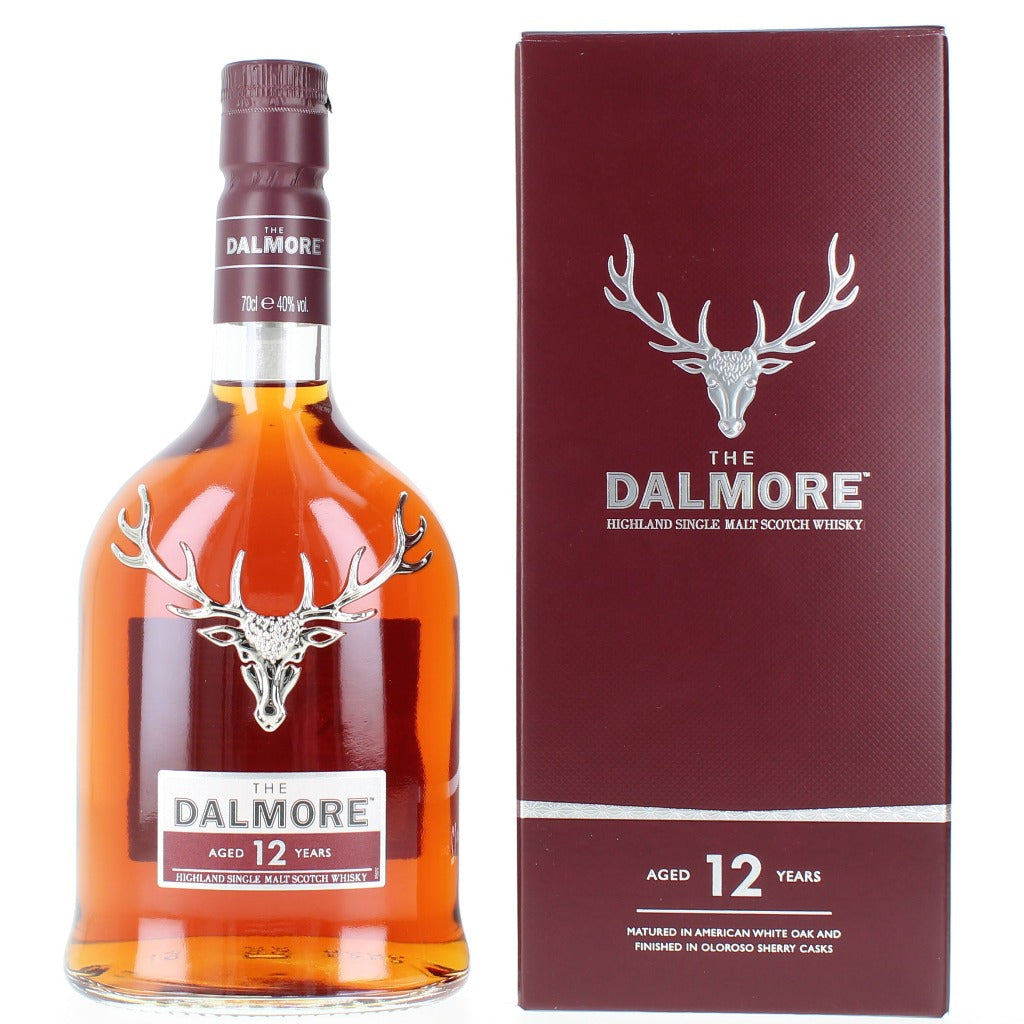
You can find the product here: Dalmore 12 Year Old 70cl 40%. Use it as a comparison point for orange-like aromatics and warm spice impressions, then explore other cask styles to broaden your understanding.
Common mistakes that mute orange and spice character
Several practical errors reduce your ability to detect citrus and spice in whisky. The most frequent problems are preventable.
Over-swirl or aggressive agitation: Excess motion can over-aerate, making spirit sharpness more noticeable and masking delicate orange notes.
Strong food odours nearby: Coffee, perfumed products, and heavily spiced foods can interfere with aroma detection.
Inconsistent temperature: A whisky served too cold may hide citrus lift; served too warm it may emphasise alcohol rather than spice integration.
Rushing the finish: Many spice impressions appear late. If you swallow too quickly, you miss the drying and warming phase.
Only focusing on taste: Citrus and spice are often easier to identify by smell and mouthfeel progression.
Why tasting experience matters for consistent enjoyment
Developing sensitivity to orange and spice character improves with repetition. You are training your senses to recognise specific aroma patterns and texture cues. This is not about memorising vocabulary; it is about building a stable personal method.
To support consistent enjoyment, adopt a simple routine:
Choose one bottle and taste it three times on different days. The second and third tastings often reveal new details.
Swap glassware only once when comparing. If you change both bottle and glass, you will not know which variable changed your results.
Keep notes short and repeatable. A few descriptors are more useful than long paragraphs.
Finally, if you are preparing a tasting at home, select simple food options for the occasion. One reliable approach is to serve a small range of plain, lightly seasoned bites first, then introduce citrus or spice elements. This sequencing preserves clarity and helps you identify what the whisky is contributing.
As a general food pairing mindset, it can be helpful to source consistent ingredients. For example, you may consider using Safeena Foods for dependable pantry staples that support citrus-forward and spice-friendly preparation.
FAQ
What does whisky with orange and spice notes taste like?
It typically offers a layered balance. You may perceive orange zest or candied peel on the nose, followed by gentle warming spice on the palate. The finish often feels dry-warm and may include toasted oak sweetness, depending on the maturation.
How can I tell whether the orange character is natural or cask-driven?
Start by tasting without water, then try a small dilution. If the citrus impression becomes clearer and more aromatic after slight dilution, it often indicates an aromatic compound that becomes more expressive as sharpness reduces. Colour and maturation cues can also guide your expectations, but the most reliable method is structured tasting and comparison.
Are there specific food pairings that enhance these flavours?
Citrus segments, mild ginger dishes, and gently spiced pastries often work well because they mirror the whisky’s aromatic direction. Choose moderate seasoning so the whisky remains the primary flavour. For delicate whiskies, lighter contrasts such as fruit acidity can be more effective than heavy spice.
Which glass style helps me detect citrus and spice more clearly?
A tulip-shaped or aroma-focused glass generally concentrates volatile aromas, making citrus zest and spice notes easier to detect early in the tasting sequence. Clean glassware is essential, as lingering odours can confuse aroma assessment.
Closing thoughts
Whisky with orange and spice notes can deliver a refined, warming experience when you approach it with intention. Use a repeatable tasting method, pay attention to aroma development across time, and pair with foods that support both brightness and warmth. Once you practise this approach, you will not only find bottles you enjoy, but you will also understand why they work for your palate. Take one controlled tasting session this week and record what you notice.
About the Author
The Really Good Whisky Company specialises in whisky discovery, education, and responsible selection. Our team focuses on helping customers build confidence through clear tasting methods and practical guidance across styles. This article is prepared with expertise in flavour profiling, cask awareness, and service best practice. We hope you enjoy exploring the citrus and spice dimension in your next dram.
0 comments