



Updated on: 2026-10-19
A luxury whisky brand should deliver more than age and price. It should express consistent craftsmanship, traceable cask selection, and a clear house style. The best experiences start before purchase, through responsible tasting preparation and informed serving. This guide explains how to evaluate quality signals, choose a suitable bottle, and enjoy whisky at its fullest.
Product Spotlight
Some bottlings make it easier to understand what a luxury whisky brand should feel like in the glass. One example is a classic Speyside single malt with a balanced profile and a refined finish.
Springbank 10 Year Old Single Malt Scotch Whisky - 70cl 46%
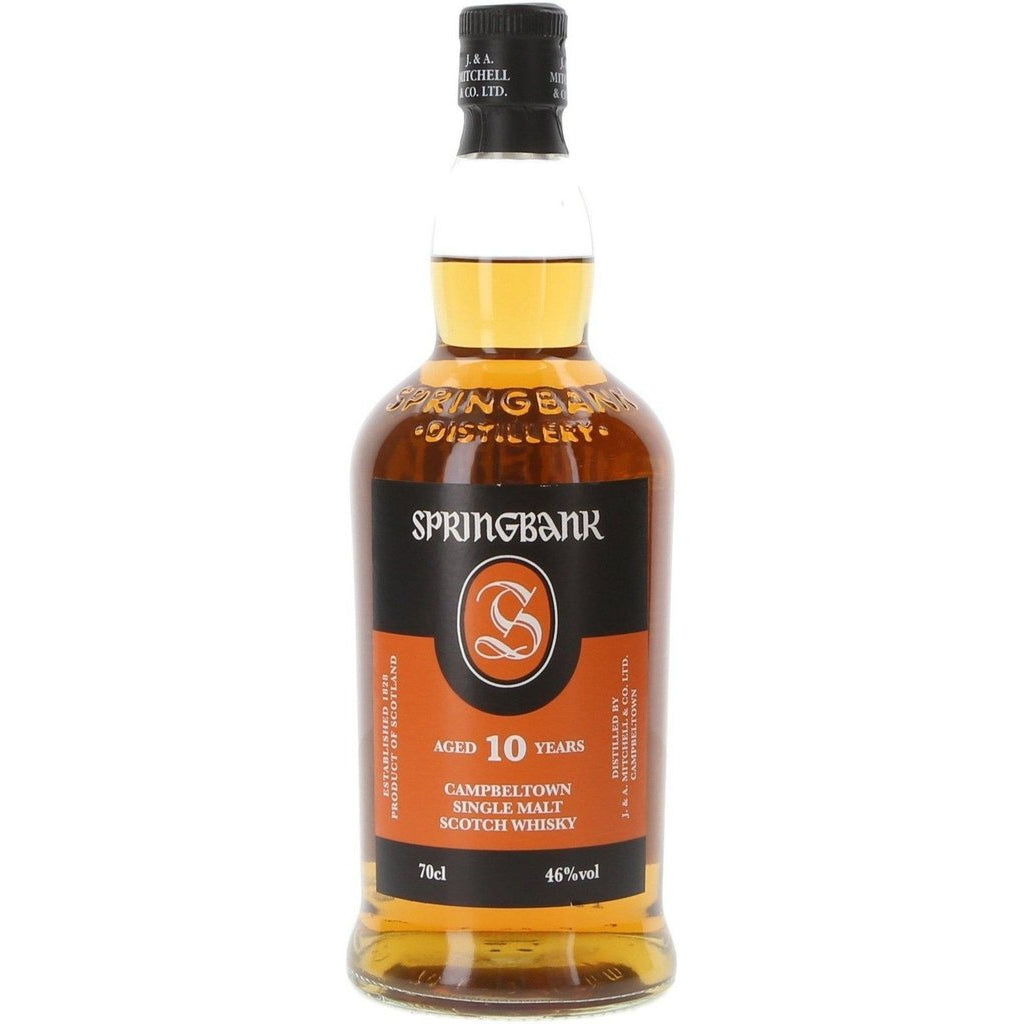
For readers who prefer a higher bottling strength, 46% can support greater flavour definition and a longer aromatic arc. It also encourages careful dilution choices, which can reveal different layers rather than masking them.

Whisky tasting grid with aroma, palate, finish
How to Identify a Luxury Whisky Brand
A luxury whisky brand is not defined solely by prestige. In practice, premium perception should align with measurable quality cues. When a producer treats whisky as a craft rather than a commodity, the result is usually clearer: consistent maturation, precise cask management, and thoughtful bottling decisions.
Start with the origin story, but verify it with details. A credible brand explains what governs its style. That includes whether the whisky is distilled in-house, what maturation regimes it uses, and how it manages batch variation. Even without technical jargon, strong producers communicate their principles in a way that supports repeatable results.
Look for clarity in cask selection and maturation
Luxury whisky often shows refinement because maturation is handled with intention. While cask type is important, the real value lies in how the casks are chosen and monitored. Pay attention to descriptions that refer to balance, integration, and maturation outcomes rather than only to marketing adjectives.
Assess the house style across releases
One bottle can be exceptional, yet still be an outlier. A luxury whisky brand should show a stable identity across time. For example, many top producers aim for a recognisable thread: a consistent balance of sweetness and oak, a familiar aromatic signature, or a repeatable approach to smokiness and fruit expression.
Prioritise transparency about bottling choices
Whether the whisky is bottled at cask strength, at a standard percentage, or with a stated approach to dilution, the choices matter. Bottling strength influences texture, clarity, and how aromas unfold. A transparent brand gives you enough information to taste with confidence and to understand what changes when you add water.
For further browsing by category, you may explore single malts and curated collections from The Really Good Whisky Company. Our finest scotch and Single malt scotch whisky can be useful starting points when learning a house style.
Consider the reliability of the buying experience
Even the best whisky can disappoint if packaging, storage guidance, or customer service is weak. Luxury brands tend to respect the consumer journey. Look for clear information on provenance, storage suggestions, and product presentation. This is where brand reputation becomes practical rather than symbolic.
Step-by-Step How-To
Enjoying a premium bottle is easier when you treat tasting as a structured process. Use the steps below to judge quality, select a suitable dram, and make your experience repeatable.
-
Choose your whisky category first. Decide whether you want Scotch, Japanese whisky, bourbon cask influence, or a specific profile such as peated notes. This narrows expectations and helps you evaluate fit.
-
Review the flavour direction before pouring. Read the tasting notes with your senses in mind. Identify whether the description points towards fruit, spice, vanillin oak, smoke, or coastal salinity. Your goal is alignment, not surprise.
-
Prepare small tasting measures. Use a clean glass and pour a modest amount. Let the whisky breathe for a short period. Swirl gently to release aromatics without over-aerating.
-
Taste neat, then adjust. Start without dilution. If the whisky is high strength or shows sharp edges, add water in small increments. This method often improves integration and reveals layered aromas.
-
Evaluate structure. Assess sweetness, acidity, tannic oak influence, bitterness, and warmth. A luxury whisky typically balances these elements so that none dominates abruptly.
-
Note the finish length and character. Strong finishes tend to develop rather than fade immediately. Look for how the last impression evolves: does it turn from fruit to spice, from smoke to cream, or from oak to floral lift?
-
Choose your next bottle based on what you learned. If you enjoyed oak-driven richness, explore sherry or bourbon cask influence. If you preferred a drier, coastal style, focus on releases with a similar profile.
To explore maturation styles and cask-led categories, you can browse curated ranges such as wine cask whisky and sherry cask whisky. This can help you build a personalised tasting map over time.

Calendar pages with tasting notes and aroma swatches
Personal Experience
I recall a tasting session where a friend described his favourite bottle as “smooth”. When we poured into glasses, the whisky initially tasted rounded, yet the aromas were muted. After we followed a careful structure—neat first, then measured dilution—the profile opened quickly. Suddenly, the dram offered brighter fruit, a clearer oak line, and a finish that felt longer and more purposeful. The change was not magic; it was method.
That evening shaped how I think about a luxury whisky brand. The brand does not simply deliver a product. It should guide a consumer toward a proper experience by sharing relevant details, including strength, maturation direction, and sensible serving context. When information is clear, the tasting improves immediately, and the enjoyment becomes repeatable.
I have also noticed that many people struggle to compare whiskies when they do not record impressions. If you taste several bottles over a short period, the palate can blur. Writing brief notes, even a few words for aroma, palate, and finish, makes your next choice easier. Over time, patterns emerge: you may prefer a drier oak influence, or a more integrated sweetness, or a smokier edge that stays controlled.
Summary & Recommendations
A luxury whisky brand earns its position through craft, consistency, and transparent decision-making. The most reliable quality signals include purposeful cask management, a recognisable house style, and clear bottling information. When you taste with structure—neat first, then adjust—you reduce guesswork and improve clarity.
As practical recommendations:
Prioritise brands that explain their style and maturation approach in meaningful terms.
Use a consistent tasting process so comparisons are fair.
Choose your next bottle based on what you actually enjoyed, not only what sounded impressive.
Explore curated categories to refine preferences, particularly cask-led ranges.
If you want to build a short list of premium options, start with respected collections and then widen your scope once you have a clear flavour direction. A considered approach turns whisky buying from a gamble into an informed ritual.
Q&A
What makes a luxury whisky brand different from a premium brand?
A premium whisky may offer strong flavour, yet a luxury whisky brand typically demonstrates deeper consistency and intention. This often shows through more transparent bottling choices, clearer maturation direction, and a stable house style that remains recognisable across releases.
Should I taste whisky neat or diluted?
Start neat to understand baseline character. If the whisky is high strength or aromatic intensity feels overwhelming, add water gradually. Dilution can improve integration, soften oak harshness, and reveal subtler notes that are otherwise difficult to detect.
How can I tell whether cask influence is well integrated?
Integration is visible when cask-driven flavours support the spirit instead of competing with it. In a well-integrated whisky, sweetness, oak spice, and maturation fruit should appear balanced and continue smoothly into the finish.
What is a sensible way to choose a gift for a whisky enthusiast?
Begin with flavour preferences rather than reputation alone. If the recipient enjoys rich dessert-like notes, consider cask styles associated with deeper sweetness. If they prefer lighter elegance, prioritise whiskies with a drier profile and clear aromatic lift. When possible, match bottle strength and serving habits to what they already enjoy.
About the Author
The Really Good Whisky Company specialises in curating high-quality whisky experiences with a focus on flavour understanding and responsible consumer guidance. Our expertise includes whisky education, tasting-led recommendations, and careful product selection across diverse styles. We aim to help customers make confident choices and enjoy every dram with clarity. Thanks for reading, and we wish you a rewarding whisky journey.
Disclaimer: Responsible enjoyment is essential. Please drink alcohol responsibly and avoid driving or operating machinery after consuming alcohol. This article is for general information only and does not provide medical advice.
0 comments