

Updated on: 27 March 2026
Dalmore whisky represents one of Scotland's most prestigious Highland distilleries, renowned for its distinctive character and rich heritage. This comprehensive guide explores the history, production methods, and flavour profiles that make this spirit a favourite amongst discerning whisky enthusiasts worldwide. Discover what sets this exceptional single malt apart from other Scottish offerings and why it commands such respect within the industry.
Table of Contents
- The Heritage and History of Highland Whisky Excellence
- Production Methods and Craftsmanship
- Flavour Profiles and Tasting Notes
- Common Challenges in Appreciation
- Expression Comparison and Selection
- Summary and Recommendations
- Frequently Asked Questions
The Heritage and History of Highland Whisky Excellence
The Dalmore distillery stands as a beacon of quality within Scotland's Highland region, with a history spanning over two centuries. Established in 1839, this distinguished producer has maintained an unwavering commitment to excellence and traditional distilling practices. The distillery's location near Alness in the Black Isle provides access to pure water sources essential for creating memorable spirits.
Throughout its operational history, Dalmore whisky has earned recognition as one of the finest expressions available in the global market. The distillery's consistent approach to quality has resulted in numerous accolades and a loyal following amongst collectors and connoisseurs. Each bottle carries the legacy of generations of master distillers who have perfected their craft.
The brand's iconic stag emblem has become synonymous with Highland heritage and represents the wild, untamed nature of the Scottish landscape. This symbol appears prominently on every bottle, serving as a testament to the distillery's connection to its geographical roots and cultural significance. The visual identity reinforces the premium positioning of this remarkable spirit within the whisky market.

Highland landscape with autumn heather, misty mountains, and clear water streams flowing through Scottish terrain.
Production Methods and Craftsmanship
The creation of exceptional single malt requires meticulous attention to detail at every production stage. Dalmore employs traditional copper pot stills, which remain central to the distillery's distinctive character and aromatic complexity. The choice of copper vessels influences copper contact during fermentation, contributing to the removal of undesirable sulphur compounds.
Water selection plays a crucial role in the final spirit's composition. The distillery sources water from the Alness River, which provides mineral content that influences flavour development throughout the maturation process. This natural resource has remained constant for over 180 years, contributing to consistency across generations of production.
Maturation represents perhaps the most critical phase in developing the character of this Highland spirit. Dalmore utilises an extensive range of cask types, including ex-bourbon barrels and ex-sherry casks. The interaction between spirit and wood over years develops layers of complexity that cannot be replicated through any artificial means. Master blenders carefully monitor this process, selecting casks that meet rigorous quality standards before bottling.
The distillery's commitment to quality extends to every aspect of its operation. From barley selection through to final packaging, each decision reflects a dedication to producing whisky of exceptional calibre. This meticulous approach distinguishes Dalmore from many competitors operating within the premium spirits sector.
Flavour Profiles and Tasting Notes
The distinctive character of Dalmore whisky emerges from its unique combination of production methods and maturation practices. Most expressions display a rich amber hue, resulting from extended contact with quality wood during the maturation period. The colour itself provides visual evidence of the spirit's age and complexity.
On the palate, Dalmore typically presents a harmonious balance of sweet and spiced notes. Tasting enthusiasts frequently detect characteristics including dried fruits, citrus elements, and subtle vanilla undertones. The texture remains smooth and refined, with a warming finish that persists pleasantly on the tongue. These sensory attributes appeal to both experienced drinkers and those new to premium single malt exploration.
The aromatic profile invites investigation, with initial notes of honeyed sweetness giving way to deeper woody and slightly peppery characteristics. Each nosing reveals additional layers, encouraging prolonged appreciation before tasting. This complexity suggests the presence of numerous flavour compounds developed during the extended maturation process.
Featured Product
Dalmore 12 Year Old Highland Single Malt Scotch Whisky – 70cl 40%
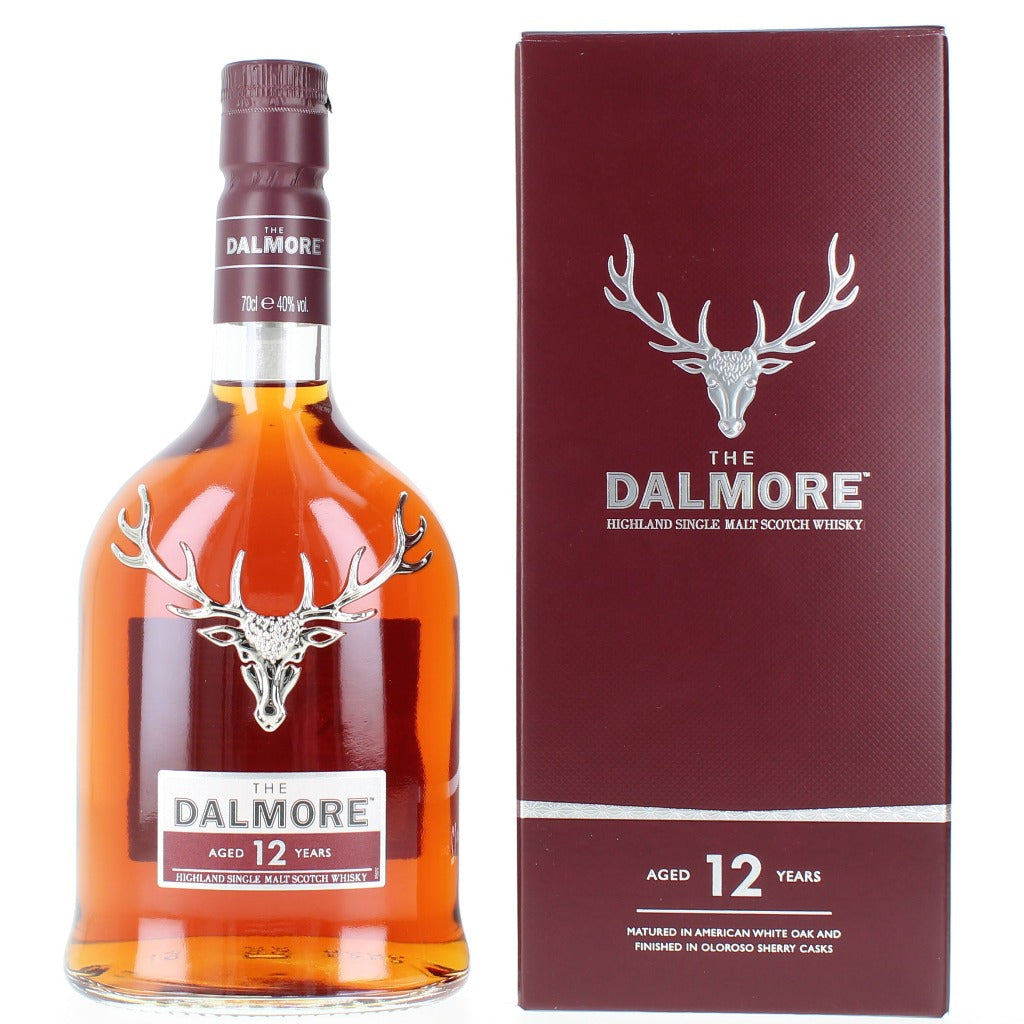
This accessible entry point showcases the distillery's signature style. The 12 year old expression delivers consistent quality and represents excellent value within the premium category. Matured in both ex-bourbon and ex-sherry casks, it presents a balanced profile suitable for various occasions and preferences.

Copper pot stills reflecting golden light, wooden cask arrangement in aging warehouse, amber liquid cascading during bottling process.
Common Challenges in Appreciation
Many individuals purchasing premium whisky for the first time encounter questions regarding proper serving methods and storage conditions. Understanding these practical considerations enhances the overall experience and ensures optimal preservation of the spirit's character.
Temperature fluctuations represent a primary concern for collectors maintaining home collections. Significant variations in ambient temperature can cause expansion and contraction within sealed bottles, potentially compromising cork integrity. Storing bottles upright in cool, dark environments minimises these risks and preserves the spirit's quality indefinitely.
Price accessibility constitutes another common challenge, as exceptional single malts command premium valuations reflecting their quality and production expenses. However, more affordable expressions within the range provide entry points for those seeking to experience the distillery's character without substantial financial commitment. Exploring the full range of available expressions allows consumers to select options matching their budget and preferences.
Counterfeit products occasionally appear in the marketplace, particularly for highly sought-after older vintages. Purchasing from authorised retailers and reputable suppliers remains essential for ensuring authenticity. Examining bottle details, cork condition, and label clarity provides initial verification of legitimacy.
Expression Comparison and Selection
| Expression | Age Statement | Strengths | Considerations |
|---|---|---|---|
| 12 Year Old | 12 years | Excellent value, balanced profile, accessible price point | Less complex than older expressions |
| 15 Year Old | 15 years | Enhanced maturity, richer character, improved complexity | Higher price investment required |
| 18 Year Old | 18 years | Premium quality, sophisticated profile, collector appeal | Significant financial outlay |
Selecting the appropriate expression depends upon individual preferences, budget considerations, and intended usage. The 12 year old serves as an excellent introduction to the distillery's characteristic style, whilst older expressions appeal to those seeking greater depth and complexity. Reviewing comprehensive single malt selections provides context for evaluating different producers and comparing value propositions.
Summary and Recommendations
Dalmore whisky occupies a prestigious position within Scotland's spirits landscape, distinguished by consistent quality and sophisticated flavour profiles. The distillery's commitment to traditional production methods combined with selective wood maturation practices creates expressions worthy of serious consideration by enthusiasts at all experience levels.
For those beginning their journey into premium single malt exploration, the 12 year old expression provides an ideal starting point. It demonstrates the distillery's signature characteristics whilst remaining financially accessible. More experienced drinkers seeking enhanced complexity and depth should consider older expressions, which reward careful examination and appreciation.
Storage in appropriate conditions ensures long-term preservation of quality and flavour integrity. Purchasing from recognised retailers guarantees authenticity and allows confident investment in these spirits. Whether for personal enjoyment or collection purposes, Dalmore represents a reliable choice reflecting generations of distilling expertise.
Exploring premium Scottish whisky selections alongside comparative tastings enhances appreciation and understanding of this complex category. Each expression tells a story of Highland heritage and master craftsmanship worthy of celebration and contemplation.
Frequently Asked Questions
What distinguishes Dalmore whisky from other Highland producers?
Dalmore maintains distinctive production characteristics that set it apart, including specific copper pot still designs and carefully selected cask maturation programmes. The combination of water source quality, traditional production methods, and skilled master blending creates a signature character recognisable to experienced tasters. The distillery's consistent approach to quality control ensures reliable excellence across all expressions released under the brand name.
How long should Dalmore whisky be matured before bottling?
Entry-level expressions typically mature for twelve years, whilst premium releases may spend fifteen, eighteen, or substantially more years in wood. Extended maturation develops greater complexity and allows deeper interaction between spirit and cask, creating richer, more sophisticated flavour profiles. The specific maturation timeline influences the final character significantly, with each additional year contributing measurable changes to taste and aroma.
What cask types does the distillery utilise for maturation?
Dalmore employs predominantly ex-bourbon American oak barrels and European ex-sherry casks, with some expressions featuring additional wood finishes. This diverse cask programme allows the distillery to create varied expressions catering to different palates. The choice of wood type fundamentally influences flavour development, with sherry casks contributing darker colour and richer, more complex characteristics than bourbon casks alone.
Is Dalmore whisky suitable for cocktail preparation?
Whilst premium expressions deserve appreciation neat or with minimal dilution, more accessible releases can certainly be enjoyed in quality cocktails. The spirit's balanced flavour profile works well in classic preparations, adding depth to mixed drinks. However, using expensive older expressions for cocktails represents poor value, as the additional complexity and subtlety would be largely overwhelmed by mixer ingredients.
How should Dalmore whisky be properly stored?
Maintaining cool, dark storage conditions protects the spirit from temperature fluctuations and light exposure that can compromise quality. Bottles should remain upright to prevent cork deterioration from alcohol contact. A consistent ambient temperature between 12 and 15 degrees Celsius represents ideal conditions for long-term storage without acceleration of maturation within sealed bottles.
What is the recommended water addition for tasting purposes?
Adding a small quantity of still water opens up aromatic compounds and can reveal additional flavour complexity. Many experienced tasters recommend adding water gradually whilst nosing the spirit, allowing personal preference to guide the final ratio. Some bottles indicate specific water addition recommendations, though experimentation helps identify individual preference for optimal enjoyment.
Are independent bottlings of Dalmore whisky available?
Yes, independent bottlers occasionally release independent bottlings featuring Dalmore spirit. These releases may offer different cask finishes, higher alcohol content, or non-chill-filtered presentations compared to official distillery releases. Such expressions appeal to collectors seeking variety and unique tasting experiences beyond standard commercial offerings.
Does the distillery offer visitor experiences or distillery tours?
The distillery welcomes visitors interested in experiencing the production process firsthand. Guided tours provide insights into traditional distilling methods and allow examination of historic equipment and production facilities. Visitor experiences typically include spirit tasting, allowing personal evaluation of different expressions within the range.
What is the significance of the stag symbol on Dalmore bottles?
The Royal stag emblem represents the Highland heritage and wild landscape surrounding the distillery. This iconic symbol has adorned bottles for generations, becoming instantly recognisable to whisky enthusiasts worldwide. The stag also reflects the connection between the spirit and its geographical origins, emphasising authenticity and traditional production methods.
How does cask type influence the final flavour profile?
Different wood types impart distinct characteristics to maturing spirit. Bourbon casks typically contribute vanilla, caramel, and woody notes, whilst sherry casks add richer, more complex characteristics including dried fruit and deeper spice elements. The interaction between spirit and wood develops over years, creating unique flavour compounds impossible to replicate through other methods.
What price range should consumers expect for various expressions?
Entry-level 12 year old expressions typically fall within accessible price ranges, whilst 15 and 18 year old releases command progressively higher investments. Rare, vintage, or special releases may achieve substantially greater valuations reflecting their scarcity and collector appeal. Premium pricing reflects not only age, but also production costs, quality consistency, and market demand from discerning consumers.
Can Dalmore whisky be used for investment purposes?
Rare and older expressions have demonstrated appreciation in value, particularly limited releases and special editions. However, investment should only be undertaken by individuals with genuine understanding of the spirits market and realistic expectations regarding potential returns. Authentic storage and provenance documentation prove essential for maintaining investment value over extended periods.
What food pairings complement Dalmore whisky best?
The rich, balanced character pairs excellently with chocolate, nuts, dried fruits, and rich desserts. Savoury preparations including smoked meats, aged cheeses, and spiced dishes also complement the spirit's complexity. Experimentation allows discovery of personal preferences, as individual palates respond differently to various flavour combinations and intensity levels.
How does the distillery ensure consistent quality across different batches?
Master blenders utilise extensive sensory evaluation and analytical testing to maintain quality standards. Careful selection of casks contributing to each batch ensures consistency despite natural variations in wood and spirit interaction. Documentation and standardised procedures create reliable systems supporting consistent excellence generation after generation.
What role does water play in creating Dalmore whisky's distinctive character?
Water sourced from the Alness River provides specific mineral content influencing fermentation and maturation processes. This consistent natural resource has contributed to the distillery's signature character throughout its operational history. The purity and composition of water fundamentally affect yeast performance during fermentation and spirit development during maturation.
Are there any special editions or limited releases worth collecting?
The distillery periodically releases special editions featuring unique cask finishes, higher alcohol content, or unusual maturation approaches. These limited releases appeal to collectors seeking distinct experiences and investment potential. Availability remains restricted, with many sold-out expressions becoming increasingly difficult to locate in secondary markets.
How does the distillery's location influence the final product character?
The Highland region's cool climate, pure water sources, and specific geographical characteristics fundamentally influence spirit development. Local environmental factors including air composition and temperature fluctuations subtly affect fermentation and maturation processes. These geographical advantages contribute to the distinctive character recognised in every bottle produced at this location.
What distinguishes cask strength releases from standard bottlings?
Cask strength expressions are bottled at their natural alcohol content without dilution, typically ranging from 55% to 60% alcohol by volume. These releases offer greater intensity, complexity, and potential for appreciation with added water. Standard bottlings are diluted to 40% alcohol by volume, creating more accessible profiles suitable for broader audiences.
Can Dalmore whisky be enjoyed by newcomers to single malt spirits?
The balanced, approachable character of entry-level expressions makes them suitable for those beginning their single malt journey. The rounded flavour profile avoids excessive peat or extreme characteristics, instead presenting a sophisticated introduction to premium whisky appreciation. Newcomers benefit from the distillery's reputation for quality and consistency when selecting initial expressions.
What is the difference between single malt and blended whisky?
Single malt originates from a single distillery using malted barley exclusively, whilst blended whisky combines malts from multiple distilleries with grain whiskies. Dalmore produces single malt exclusively, concentrating resources on perfecting the character of one distinctive product. This focused approach contributes to the consistency and quality reputation the brand enjoys amongst discerning consumers.
How should bottles be positioned within a home collection?
Storing bottles upright prevents cork degradation from extended alcohol contact whilst maximising storage efficiency. Maintaining consistent temperature and protecting from direct sunlight ensures optimal condition preservation. Cataloguing collection contents helps track acquisitions and prevents accidental loss or damage through unknown storage locations.
What should consumers understand about whisky maturation claims?
Age statements indicate minimum maturation period in wood casks before bottling, representing the youngest spirit in blended expressions. All components must meet the stated age requirement, ensuring quality standards. Understanding these regulations helps consumers evaluate value propositions and appreciate the investment represented in older expressions.
Does the distillery employ sustainable production practices?
Modern distilling operations increasingly incorporate environmental considerations into production methods and byproduct management. Many producers now focus on water conservation, waste reduction, and energy efficiency. Investigating a producer's sustainability commitments provides additional context for evaluating overall brand values alongside spirit quality.
What influences the colour variations observed across different bottlings?
Cask type, maturation duration, and environmental storage conditions all influence final colour development. Natural colour variations indicate extended contact with quality wood and authentic maturation processes. Some producers add caramel colouring for consistency, a practice reflected in labelling disclosures regarding production methods.
How do expert reviewers evaluate whisky quality objectively?
Professional tasters employ standardised sensory evaluation methodologies assessing aroma, flavour, mouthfeel, and finish characteristics. Multiple tasters provide comparative data, reducing individual bias and creating more reliable quality assessments. Published reviews and scores assist consumers in understanding critical reception and production consistency.
What cultural significance does Dalmore whisky hold within Scotland?
The distillery represents Highland heritage and traditional Scottish whisky craftsmanship valued internationally. National pride in Scottish whisky production extends to premium brands embodying quality standards and historical continuity. The distillery's longevity contributes to Scotland's reputation as the world's premier whisky producing nation.
Are tasting notes reliable indicators of personal enjoyment?
Published tasting notes provide guidance based on professional sensory analysis, yet individual palates respond differently to identical spirits. Personal experimentation reveals individual preferences more reliably than written descriptions. Tasting notes serve best as education tools rather than definitive quality judgements for personal consumption decisions.
What factors should influence purchase decisions between different age statements?
Budget, occasion, experience level, and intended usage all merit consideration when selecting expressions. Entry-level bottles offer excellent introductions without substantial financial commitment, whilst premium releases suit special occasions and collection purposes. Understanding personal preferences through tasting guides informed purchasing decisions and maximises satisfaction from chosen expressions.
Can opened bottles maintain quality over extended periods?
Properly sealed bottles preserve quality indefinitely, as spirits within sealed containers do not mature further. However, opened bottles gradually lose volatile aromatic compounds through cork exposure and air contact. Storing opened bottles upright in cool darkness slows oxidation processes, though eventual degradation remains inevitable after extended periods.
What educational resources assist developing whisky appreciation skills?
Books, online resources, and organised tasting events provide structured approaches to developing sensory evaluation abilities. Professional courses offer comprehensive training in whisky history, production methods, and flavour assessment techniques. Organised group tastings encourage comparative evaluation and discussion enriching appreciation beyond solitary consumption.
How does the distillery balance tradition with modern production innovations?
Contemporary producers maintain historical production methods whilst incorporating technological advances improving consistency and efficiency. This balance preserves traditional character whilst ensuring operational viability and quality control. Understanding this approach reveals how heritage brands evolve whilst maintaining core identity and customer expectations.
What distinguishes expressions finished in unusual cask types?
Secondary maturation in wine, port, or other cask types imparts distinct characteristics complementing the spirit's base character. These finishing techniques represent creative approaches to flavour development, creating unique expressions beyond standard offerings. Finish duration and intensity influence resulting complexity and appeal to various taste preferences.
Should consumers prioritise age statements when evaluating whisky quality?
Age indicates minimum maturation duration but does not guarantee superior quality or personal preference alignment. Younger expressions may offer excellent quality and approachable character, whilst older releases suit those seeking complexity. Individual assessment based on tasting experience proves more reliable than age statement alone when making selection decisions.
What role does terroir play in whisky production?
Water source characteristics, local climate conditions, and geographical influences subtly affect spirit development and final character. These location-specific factors create distinctive regional styles recognisable to experienced tasters. Understanding terroir appreciation deepens understanding of how geography fundamentally influences whisky production beyond mere manufacturing location.
How can consumers verify bottle authenticity before purchase?
Examining labels, bottle design, cork quality, and packaging details provides initial authentication checks. Purchasing exclusively from authorised retailers eliminates counterfeit risks entirely. Verifying serial numbers and documentation where available adds additional security for significant investments in rare or valuable expressions.
What future developments might influence Dalmore whisky's market position?
Global whisky demand continues expanding, creating opportunities for premium brands to reach new consumer markets. Environmental considerations increasingly influence production methods and sustainability practices. Evolving consumer preferences regarding flavour profiles and production approaches shape future product development strategies within the industry.
Does brand heritage influence purchasing decisions for experienced collectors?
Historical significance and brand reputation demonstrate consistency and quality commitment, building confidence in purchasing decisions. Collectors often select established brands with proven track records over newer producers with limited production history. Heritage serves as reliable indicator of quality standards and value retention potential for investment-focused acquisitions.
How do distillery production volumes influence expression availability and pricing?
Limited production capacity restricts availability of certain expressions, supporting premium pricing through scarcity. High-demand releases may command premiums reflecting strong collector interest and limited supply. Understanding production scales helps consumers anticipate availability and adjust purchasing strategies accordingly.
What should newcomers prioritise when beginning whisky collection journeys?
Starting with accessible entry-level expressions allows development of tasting skills without substantial financial commitment. Organising systematic tasting notes helps identify emerging preferences and guide future selections. Connecting with whisky communities provides education and encouragement whilst avoiding costly mistakes through shared knowledge.
Are duty-free purchases of Dalmore whisky genuinely cost-effective compared to standard retail?
Duty-free locations occasionally offer pricing advantages reflecting tax exemption, though variations depend on specific locations and expressions. Not all retailers maintain consistent pricing across regions, making comparative shopping worthwhile. Understanding local taxation and import duties helps evaluate genuine savings opportunities when considering duty-free purchases.
How do temperature and humidity conditions influence long-term bottle storage?
Consistent cool temperatures between 12 and 15 degrees Celsius with moderate humidity levels maintain optimal storage conditions. Humidity prevents cork deterioration whilst temperature stability prevents expansion and contraction cycles damaging seal integrity. Avoiding extreme conditions ensures preservation of quality throughout extended storage periods regardless of collection size.
What value propositions justify premium pricing for older expressions?
Extended maturation requires patience and capital investment, with cask storage and management costs accumulating over years. Greater complexity developed through prolonged wood interaction justifies premium valuations reflecting production investments. Scarcity of older stock further supports pricing reflecting genuine supply constraints within global markets.
Should collectors prioritise official distillery releases or independent bottlings exclusively?
Both options merit consideration, with official releases ensuring distillery-approved character and independent bottlings offering alternative perspectives and unique cask selections. Diverse collection approaches capture varied expressions and interpretations of the spirit's character. Collector preferences ultimately guide selection strategies within broader purchasing frameworks.
What educational value do whisky clubs and societies provide to developing enthusiasts?
Organised groups facilitate comparative tastings allowing direct evaluation of multiple expressions simultaneously. Expert facilitators provide education regarding production methods, regional characteristics, and flavour assessment techniques. Community engagement reduces isolation and builds networks of like-minded individuals sharing genuine passion for whisky appreciation and collection.
How might climate change influence future whisky production and character development?
Shifting temperature patterns could influence fermentation processes and maturation rates, potentially affecting future expressions. Water availability variations might impact production capacity or require alternative sourcing approaches. Industry adaptation to environmental changes represents ongoing challenges requiring proactive responses from established producers maintaining quality standards.
Does packaging presentation influence purchasing decisions for gift-giving occasions?
Attractive packaging enhances gift appeal and demonstrates care when presenting to recipients. Premium presentations often include gift boxes and documentation, adding perceived value beyond the spirit itself. Selecting well-presented expressions shows consideration, though ultimate satisfaction depends primarily on spirit quality and recipient preferences rather than packaging alone.
What distinguishes exceptional whisky experiences from adequate consumption?
Dedicated tasting environments free from distractions allow full appreciation of aromatic and flavour complexity. Proper glassware design facilitates nosing and encourages proper evaluation techniques. Time investment and mindful attention to sensory details transform casual consumption into contemplative experiences revealing dimensions missed during hurried drinking.
0 comments