



Updated on: 2026-11-12
Artisan distillery whisky is shaped by craft choices, from ingredient selection to maturation methods. In this guide, you will learn how small-scale production affects flavour, texture, and consistency. You will also find expert-led tips for tasting and storing whisky to make each sample more meaningful. Finally, the article explains how to approach quality signals and avoid common misunderstandings.
Table of Contents
- What makes artisan distillery whisky different?
- Did you know?
- Expert tips for buying and tasting
- A personal approach to choosing bottles
- Cask selection and maturation effects
- How to taste artisan distillery whisky
- Summary and takeaways
- Q&A section
- About the author
What makes artisan distillery whisky different?
Artisan distillery whisky is made with a strong emphasis on hand-finished detail, close process control, and thoughtful sourcing. While large producers can also produce excellent whisky, the term “artisan” usually signals that craft decisions are prioritised throughout the production cycle. These decisions often show up in the way the spirit is distilled, how it is matured, and how batches are managed to protect character rather than force uniformity.
At the start, artisan producers tend to treat ingredients as part of the recipe, not merely as inputs. Grain selection, water profile, and fermentation practices influence the base spirit before it ever reaches a cask. Because the final outcome is the result of the full pipeline, small variations in mash quality and yeast choice can create noticeable differences in aroma.
Distillation methods also matter. Artisan distilleries may use equipment and cuts that preserve delicate notes, especially during the transition from earlier to later fractions. The aim is not only to reach a target strength, but to capture a balanced spirit that matures well over time. For many enthusiasts, this is where the craft becomes most visible: a whisky that tastes layered rather than one-dimensional.
Finally, the maturation phase often provides the clearest evidence of artisan intent. Cask handling, racking schedules, and the way stock is blended (or not blended) can affect the depth of flavour. A carefully managed maturation can allow subtle fruit, spice, and toasted notes to integrate instead of dominating. If you are exploring artisan distillery whisky as a category, focus on how the producer describes their process and how the profile aligns with your preferences.

Craft distillation tools, steam, and measured liquid paths
To widen your perspective, consider browsing across different whisky styles and production philosophies. For example, a range view of single malt scotch can help you compare how artisan decisions translate across regions. You can start with single malt scotch bottles to see how flavour structures vary between distilleries.
Did you know?
- Many artisan distilleries manage fermentation to preserve delicate esters that become fruit and floral tones.
- Even the same cask type can behave differently depending on prior contents and how quickly the spirit enters the wood.
- Tasting notes often reflect both palate perception and the way aroma develops as the whisky warms in the glass.
- Batch size can influence consistency, but careful process control can still deliver remarkable reliability.
- Finishes such as sherry, bourbon, and wine casks can shift sweetness, spice, and drying levels.
Expert tips for buying and tasting
When selecting artisan distillery whisky, the most useful approach is to treat each bottle as a distinct flavour plan. Instead of chasing reputation alone, evaluate how the stated style matches your palate. The following guidance is practical and repeatable, even when you are buying a bottle as a gift.
- Read the maturation story, not only the age: Look for cask type and finish. A younger whisky finished in an impactful cask can taste more complex than an older standard maturation.
- Consider the strength and serving intention: Higher strength can amplify spice and texture. If you prefer smoother flow, you can add a small amount of water and re-taste.
- Check for balance, then character: Excellent bottles often show both a clear theme and a well-integrated finish.
- Use small comparisons: If possible, taste two bottles with similar cask types to learn what changes when grain and distillation methods differ.
If you enjoy exploring curated selections, consider expanding beyond a single category. A broad browse through independent bottlings can be instructive because it shows how blending choices and bottler philosophy affect the final expression.
A personal approach to choosing bottles
In my own tasting routine, I focus on “decision points” rather than labels. The first decision point is aroma. I start by smelling the whisky with the glass held still, then again after gentle swirling. I am looking for progression: does the fragrance move from clean grain to richer notes, such as dried fruit, toasted oak, or spice?
The second decision point is texture. Artisan distillery whisky often rewards attention to mouthfeel, not just flavour. I ask whether the whisky feels rounded, whether it finishes dry or softly sweet, and whether the aftertaste remains tidy rather than fading immediately.
The third decision point is finish length. I do not treat long finish as the only measure of quality. Instead, I assess whether the final phase is coherent. When a whisky keeps returning to a central theme, it often indicates a careful maturation and thoughtful cuts.
To bring this approach into context, I keep a small “reference bottle” for comparison. One example I have enjoyed as a benchmark is:
Springbank 10 Year Old Single Malt Scotch Whisky - 70cl 46%, 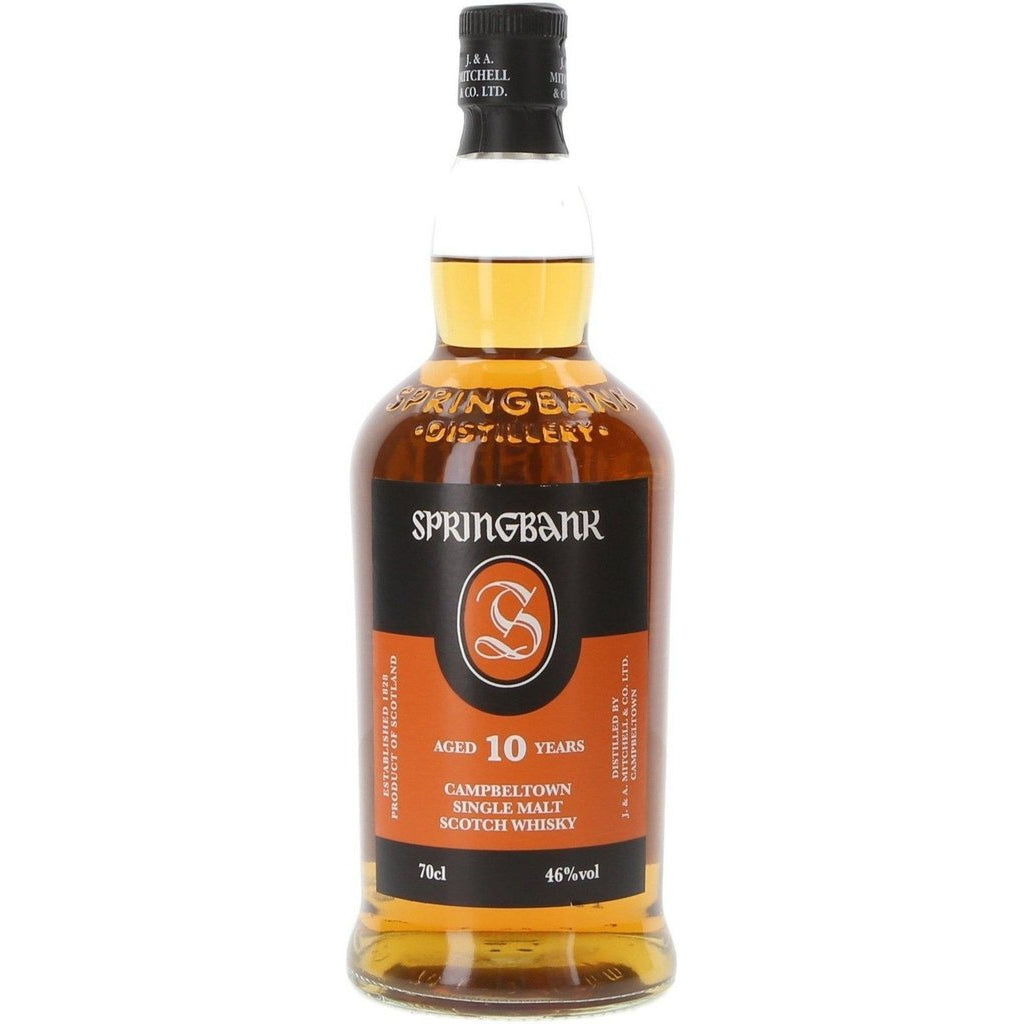 Springbank 10 Year Old Single Malt Scotch Whisky - 70cl 46%
This style is useful for learning how strength and cask influence spice and overall structure. Use it as a comparator rather than a rule, because artisan distillery whisky varies widely by region and method.

Tasting glass with layered aroma cues and colour gradients
Cask selection and maturation effects
Maturation is where artisan distillery whisky gains much of its identity. Casks contribute both flavour and texture. The wood interacts with the spirit, adding compounds that can produce vanilla, coconut-like notes, and integrated toasted characters. At the same time, the spirit extracts compounds that shape dryness, sweetness, and spice density.
It is important to distinguish between cask type and cask condition. A bourbon-cask character typically leans toward clean vanilla and gentle sweetness, but it can vary depending on refill frequency and how much previous character remains. A sherry-cask profile can add dried fruit, cocoa, and warm spice, yet it may also bring a deeper, darker sweetness that needs to be balanced by distillation character.
Finish regimes can also change the development curve. A finishing cask is often intended to overlay additional aroma and colour without entirely replacing the spirit’s base notes. When done well, the whisky presents layers: an opening phase that reflects the core maturation, followed by a later phase that highlights the finishing influence.
For practical guidance, you can learn quickly by exploring cask categories. Consider comparing sherry-cask whiskies with bourbon-cask expressions to identify whether your palate responds more strongly to dried fruit and spice, or to lighter sweetness and oak-driven vanilla.
Finally, remember that artisan distilleries often manage casks with care. Even when two producers use the same cask type, differences in racking practices, storage orientation, and stock blending can produce distinct outcomes. This is why tasting notes are rarely transferable word-for-word. They are signals, not guarantees.
How to taste artisan distillery whisky
Tasting is a skill that improves with repetition. The goal is not to memorise lists of notes, but to understand how flavours evolve. Below is a structured method that suits both newcomers and experienced drinkers.
1) Evaluate aroma in stages
First, smell the whisky without swirling. This provides a “top layer” that often reflects lighter esters and fresh oak. Next, swirl gently to increase volatility. You are assessing whether the aroma expands into richer notes such as toasted grain, dried fruit, cocoa, or gentle smoke.
2) Observe colour and viscosity
Pour a modest amount into a clean glass. Note the colour intensity and clarity. Slight thickness on the glass can be influenced by strength and glycerol content, which often correlates with mouthfeel.
3) Take a controlled sip
Let the whisky sit briefly on the tongue. Pay attention to how it feels before you identify flavours. Then note the primary flavour direction: grain-driven sweetness, fruit richness, or spice-driven dryness.
4) Assess the finish
The finish reveals the maturation quality and how well components integrate. Look for balance between sweetness, oak dryness, and any drying spice. A clean finish can be more satisfying than a long finish that becomes harsh.
If you prefer to refine the tasting, a small amount of water can help. It can open aromas and soften sharp edges. Add water gradually, then re-taste. The best tasting session is one where you observe changes rather than forcing a specific interpretation.
Summary and takeaways
Artisan distillery whisky offers a distinctive path from grain to glass, with craft decisions influencing aroma, texture, and maturation expression. You have learned that ingredient choice, distillation practice, and cask management shape the finished spirit. You also saw how to approach buying and tasting through balance, structure, and coherent finishing.
- Prioritise maturation details and cask type, not age alone.
- Use staged aroma and controlled sips to understand flavour progression.
- Compare bottles by cask profile to learn your palate preferences faster.
- Treat expert notes as guidance, and verify through your own tasting experience.
If you continue exploring, keep notes after each session. Over time, your preferences become clearer, and artisan distillery whisky becomes easier to select with confidence.
Q&A section
How should a beginner interpret tasting notes for artisan distillery whisky?
For beginners, tasting notes should be treated as a map rather than a checklist. Focus on three elements: first aroma, main palate direction, and finish character. If a note mentions dried fruit, toast, or spice, test whether that theme appears in your glass in the same order. With repeated tastings, your personal associations become more reliable than vocabulary alone.
Is cask type more important than distillation method for artisan distillery whisky?
Both are significant, but they influence different stages of the flavour journey. Distillation method shapes the base spirit: how clean, sweet, or textured it feels before it meets wood. Cask type then adds prominent maturation traits such as vanilla sweetness, dried fruit richness, or toasted oak dryness. A well-made bottle usually shows both a coherent foundation and a complementary cask overlay.
Does adding water improve tasting?
Water can improve tasting when used deliberately and in small amounts. It may reduce perceived harshness and help aromas rise more clearly. However, the effect varies by whisky strength and cask character. The best method is gradual addition: add a small quantity, rest briefly, and reassess aroma and finish. If the whisky becomes less expressive, stop and return to the original pour.
What is a sensible way to compare two bottles?
Choose two bottles with at least one shared attribute, such as similar cask type or comparable strength, and taste them in parallel. Use the same glass and similar room conditions. Record your observations for aroma stages, texture, and finish. This reduces “noise” and helps you identify what changes when only one factor differs.
About the author
The Really Good Whisky Company
The Really Good Whisky Company is dedicated to supporting informed whisky choices through careful curation and practical education. Our team brings expertise in whisky styles, maturation, and tasting frameworks, helping readers understand what matters in each bottle. We value clarity over hype and craft over trend. Thank you for reading and for taking time to learn the details that make artisan distillery whisky genuinely rewarding.
Disclaimer: This article is for general information only and does not provide medical, legal, or financial advice. Enjoy whisky responsibly. If you are under the legal drinking age in your jurisdiction, do not purchase or consume alcohol. Always follow product labels and local regulations.
For broader inspiration on venues and experiences related to whisky culture, you may also visit Vinterminal.se.
0 comments