


Updated on: 2026-09-10
A limited edition whisky is created in small quantities, typically to celebrate a specific season, cask style, or production milestone. These bottlings often show clearer craft choices, from maturation decisions to finishing approaches. Because demand can be strong and supply is fixed, buying a limited release requires preparation rather than impulse. This guide explains how to evaluate quality, read labels, store bottles properly, and plan your purchase with confidence.
Choose a style that matches your palate
Understand the cask and finishing notes
Introduction
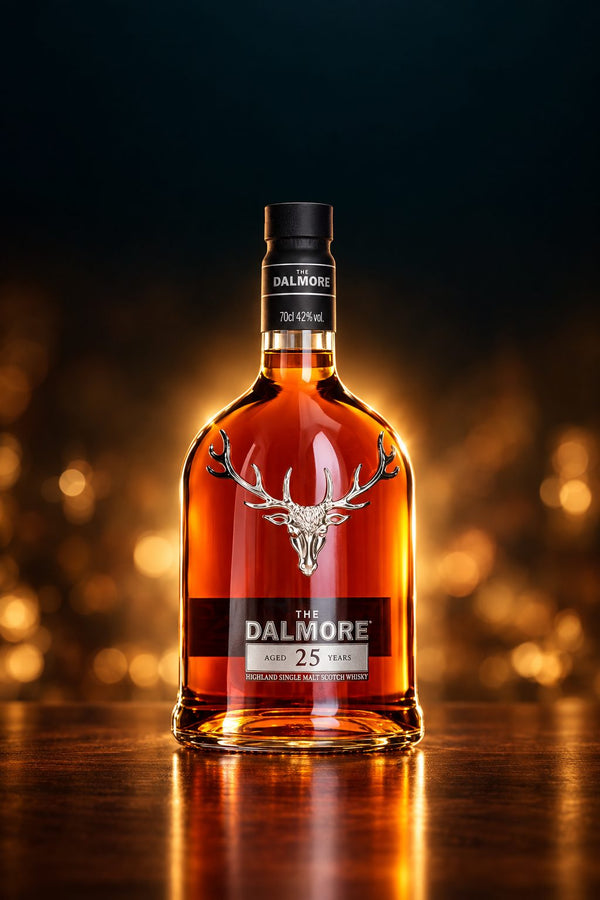
Limited edition whisky sits at the intersection of craftsmanship and scarcity. It is released in a defined run, often with a distinct flavour profile shaped by a specific maturation philosophy. For enthusiasts, these bottles can feel more purposeful than standard bottlings because the maker commits to a clear direction. For newcomers, they can be equally rewarding, provided the buyer understands what to look for before purchasing.
In this article, you will learn how to assess a limited release using practical criteria: style match, cask influence, bottling information, and storage readiness. You will also find guidance on how to build a small tasting plan, so each bottle can be enjoyed rather than simply collected. Internal links to relevant categories are included for comparison and further exploration.
Practical Guide
Choose a style that matches your palate
The most reliable starting point is personal preference. Limited edition whisky does not guarantee better quality on its own. Instead, it often highlights one angle of flavour, such as brighter fruit, deeper smoke, or richer spice. Before you buy, decide whether you prefer a softer and sweeter profile or a drier and more complex one.
Begin by selecting a category that fits your taste. If you enjoy peaty aromas and a smoky finish, consider a peated whisky release. If you prefer structured, nutty notes and gentle sweetness, look for styles commonly found in cask-finished single malts or classic scotch profiles. If you prefer a broader spectrum of fruit, spice, and vanilla, explore releases that focus on bourbon- or sherry-influenced maturation.
For browsing context, you may compare whisky styles through category views such as single malt scotch whisky. This is useful when you are learning how different production routes tend to taste.
Colour-coded flavour map with aroma icons and routes
Understand the cask and finishing notes
What makes limited edition whisky compelling is often the way maturation and finishing are managed. Casks influence colour, sweetness, dryness, and the shape of aroma. For example, first-fill bourbon casks frequently bring vanilla, coconut, and soft caramel tones. Sherry casks often add dried fruit, nutty richness, and a deeper, warming finish. Wine cask maturation can introduce bright red-berry character and a layered sweetness.
Read the description as a clue to the whisky’s architecture. If the notes mention dark chocolate, dried fruit, and spice, the cask influence is likely to be more intense. If the notes highlight citrus, light florals, and clean oak, the cask may be contributing structure without overwhelming the base spirit. Where available, look for detail on the type of cask and the approach to finishing, because that tells you how the final profile was engineered.
Be careful with vague language. Marketing phrases can describe almost anything. A more helpful sign is specificity: named cask types, finishing duration statements where provided, and consistent tasting descriptors that align with the cask style.
Check the technical details that matter
Limited edition whisky offers variety, but the technical details can help you judge whether a bottle fits your expectations. Focus on three areas: strength, cask character, and production transparency. Higher strength does not automatically mean better. However, it often preserves texture and aroma, particularly for whiskies that rely on cask notes rather than heavy dilution.
At the same time, production transparency is a strong indicator of quality control. Details such as single cask selection, batch size, and clear bottling information often correlate with more deliberate flavour outcomes. Where the release is a single cask, the whisky is likely to be more uniform and more traceable to a specific maturation story. Where it is a curated blend of limited lots, the maker’s tasting discipline becomes the key variable.
If you are comparing options, consider tasting goals. A bottle aimed at immediate drinking may be more approachable at its current strength, while bottles designed for long development may benefit from patient storage and careful serving.
Plan your purchase and timing
Scarcity is part of the experience, but it should not drive careless decisions. A limited bottling is typically issued with a clear release window and a maximum quantity. To buy intelligently, plan your approach as you would for a tasting event. Set a budget, shortlist styles, and decide in advance what “value” means to you.
Value can mean different things: flavour uniqueness, rarity, or the chance to taste a cask style that is not available in standard ranges. If rarity matters, review how many bottles were produced and whether the maker states the release size. If flavour matters most, prioritise the cask and the expected aromatic direction over the mere fact that the release is limited.
It is also wise to check availability and delivery conditions. Spirits are sensitive to temperature swings. If your climate is variable, choose delivery timing that reduces the chance of overheating. Once the bottle arrives, keep it upright, store it away from direct light, and maintain stable indoor temperatures.
Cellar shelf layout with labels, temperature cues
Key Advantages
Distinct flavour focus: A limited edition whisky is often built around a specific flavour idea, such as a certain cask influence or a deliberate maturation contrast.
More informed decision-making: Many releases include clear technical information, which can help you match bottles to your palate.
Greater enjoyment through variety: Limited releases support structured tasting, allowing you to compare cask types, strength levels, and aromatic intensity.
Collection with intention: Scarcity can increase interest, but the best results come from collecting bottles you will genuinely sample.
Opportunity to learn: Each bottle can act as a reference point for future purchases, improving your ability to identify the flavour signatures you enjoy.
A practical example of how product detail informs choice
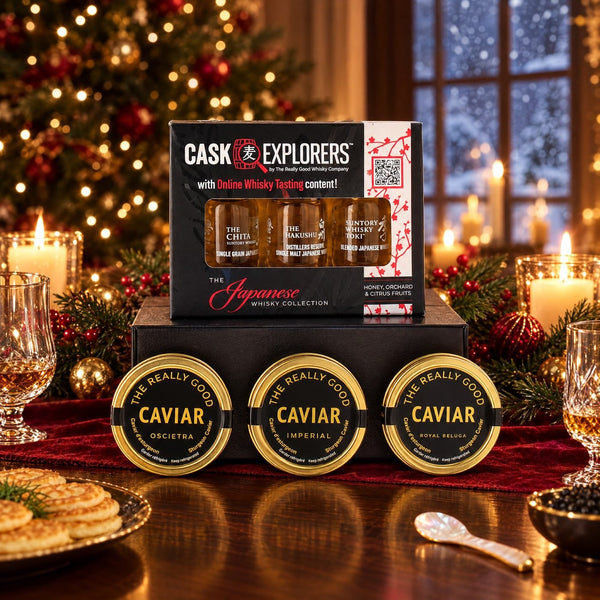
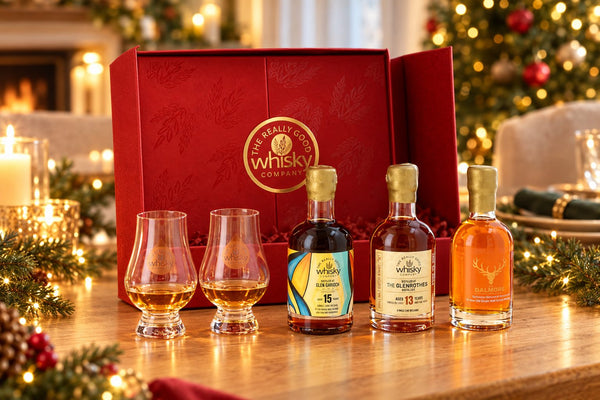
When you evaluate a limited release, look for product information that helps you anticipate how the whisky will taste. The following example shows the type of detail that can clarify what you are buying and how it fits your overall selection.
US Tarrif

View product page
Use product pages as a decision tool, not a distraction. Check for tasting notes, stated strength, and whether the release is positioned as a limited run. If the information is presented clearly, you can align your purchase with your tasting preferences.
For additional context on broader availability, you may also browse related category listings such as old and rare whisky. This can help you understand how age, scarcity, and cask history tend to interact across different releases.
Summary & Next Steps
Choosing a limited edition whisky becomes simpler when you approach it methodically. Start by matching the style to your palate, then interpret the cask and finishing cues to predict aroma and texture. Next, check the technical details that explain how the whisky was bottled and consider how you will store it after delivery. Finally, plan your purchase with a clear budget and a tasting goal, rather than relying on scarcity alone.
As a next step, shortlist two styles that you already enjoy and one style that expands your range. Purchase one bottle from each category, then organise a simple tasting at home. Keep notes on aroma, sweetness, dryness, and finish length. Over time, your preferences will become sharper, and every subsequent limited release will feel more deliberate.
Q&A Section
What makes a whisky a limited edition rather than a regular release?
A whisky is usually described as limited edition when the producer restricts the number of bottles available or ties the release to a defined production batch. The limitation may reflect single cask availability, a specific finishing run, or a curated selection blended to a particular profile. The practical implication for the buyer is fixed supply, which affects availability and pricing consistency.
Should I prioritise strength or flavour notes when buying limited edition whisky?
Flavour should lead, with strength as a supporting factor. Higher strength can enhance mouthfeel and preserve aroma, but strength does not correct for an incompatible cask direction or an unsuitable style. Choose based on the flavour direction that matches your palate, then assess strength to confirm whether the whisky will be enjoyable at its intended serving style.
How should I store a limited edition whisky after purchase?
Store bottles upright, keep them away from direct sunlight, and maintain stable indoor temperatures. Avoid moving the bottle repeatedly, as sediment can become more noticeable over time. If you plan to enjoy the whisky later, patience is valuable: oxidation and aroma development occur gradually, especially after opening. For presentation, keep labels readable and prevent dust build-up.
Is it sensible to buy multiple limited edition whiskies at once?
It can be sensible when you buy with a tasting plan. If you purchase several bottles, consider spacing them out so each release can be assessed properly. Prioritise bottles that broaden your knowledge of casks and styles you genuinely want to compare. A clear plan helps you enjoy the bottles rather than leaving them unopened.
Where can I learn more about different whisky categories before buying?
You can compare styles using curated collection pages. Start with broad categories that match your preferred profile, then narrow down by maturation approach. If you are exploring scotch, you might begin with a single malt scotch whisky collection to see how flavour cues differ across sub-types.
About the Author
The Really Good Whisky Company
The Really Good Whisky Company is a specialist whisky retailer focused on helping customers choose bottles with clarity. Our team brings expertise in cask influence, flavour profiling, and responsible purchasing guidance. We aim to make whisky discovery precise and accessible, from new drinkers to experienced collectors. Thank you for reading, and we hope your next limited edition whisky purchase feels well-informed and genuinely enjoyable.
For additional guidance and education content, you may also explore Jordan Yogis.
Disclaimer: Whisky availability, pricing, and release details can change without notice. This article is for general information only and does not constitute advice to purchase or invest. Please drink responsibly and comply with local laws and regulations.
0 comments