



Updated on: 2026-09-03
Scottish single malt drinks offer depth, character, and regional craft, all expressed through whisky production and cask ageing. This guide explains what makes single malts distinct, how to assess quality, and how to choose a bottle that fits your palate. You will also find practical buying guidance, including style cues and storage considerations. If you are building a collection or selecting a gift, you will learn how to make confident decisions.
1. What makes Scottish single malt drinks special
2. Did you know?
3. Comparison: Pros & Cons
4. Buyer’s checklist
5. How to taste and decide
6. Visual guide to flavours and maturation
7. Final thoughts and advice
8. Q&A section
What makes Scottish single malt drinks special
Scottish single malt drinks are built on a simple rule: the whisky must be made in Scotland at a single distillery using malted barley. This distillery focus matters. It allows you to track style decisions, from fermentation practices to the type of casks used for maturation, and it helps explain why two whiskies can taste strikingly different even when both are aged for similar periods.
In practice, Scottish single malt drinks are often shaped by three drivers: raw materials, production method, and cask influence. Malted barley provides a consistent base. The distillation process concentrates flavour compounds and refines texture. Finally, maturation in oak casks creates much of the expressive profile that drinkers recognise as vanilla, toast, dried fruit, spice, smoke, or coastal salinity. No two casks behave identically, which is why batch variation and cask selection are meaningful in the modern whisky market.
There is also a terminology point that helps buyers avoid confusion. “Single malt” describes the production scope, while “Scotch” refers to the geographical and regulatory framework. Meanwhile, “single cask” indicates that one cask (or a very small allocation) drives the final bottle. These distinctions affect expected complexity, price, and collectability.
Did you know?
- Most flavour in whisky does not appear at the distillation stage; it develops during maturation in oak.
- Two whiskies from different regions of Scotland can use similar casks yet still express different aromas because of distillery style.
- Even within one distillery, changing cask type or refill frequency can shift sweetness, tannin, and spiced notes.
- Some drinkers prefer cask strength because it can present more intensity, while others prefer reduced bottlings for balance.
Comparison: Pros & Cons
- Pros: Clear origin and craft focus due to distillery-defined production; wide range of flavour profiles; strong pairing potential with food such as rich desserts or cured meats.
- Pros: Easy to build a structured tasting journey by region, cask type, or age statement.
- Pros: Often suitable for gifting because labels communicate origin, style, and maturation choices.
- Cons: Price can vary greatly depending on cask selection, age, and demand.
- Cons: Flavour expectation requires learning. Terms such as “sherry cask” or “peated” are helpful but not guarantees.
- Cons: Storage and handling affect drinking experience. Exposure to heat and light can degrade quality over time.
Buyer’s checklist
Before you buy Scottish single malt drinks, decide what you want the bottle to do for you. Is it for regular evenings, special occasions, or a long-term collection? A clear goal improves selection accuracy and reduces regret.
- Choose a style lane: Decide whether you prefer smooth and sweet, rich and sherried, spicy and oaky, or smoky and coastal. You can refine this later.
- Check cask cues: Look for meaningful descriptors such as sherry cask, bourbon cask, refill versus first-fill indicators, or finishing notes if provided.
- Review strength and volume: Higher strength can deliver more aroma and body. If you prefer ease of drinking, a standard strength bottle may suit you better.
- Assess age statement relevance: Age statements can guide expectation, but younger whisky can still be complex, especially when maturation is carefully managed.
- Consider peat level: If you dislike smoke, avoid strong “peated” signals. If you enjoy it, seek clearer peat intensity cues.
- Verify bottling details: Look for lot, batch, or cask information where available. Single cask selections often deliver distinctive character.
For structured browsing by style, you may also explore categories focused on single malt and cask influences at single malt Scotch whisky.

Glasses, oak staves, and aroma notes mapped together
How to taste and decide
To make a confident choice, tasting is more useful than guesswork. Even if you are buying online, you can apply a consistent evaluation framework that mirrors what professional tasters do.
Step 1: Observe. Pour a small measure into a tulip-shaped glass. Notice the colour and its intensity. Darker shades often suggest longer maturation or cask-driven richness, but colour alone cannot predict all aroma and palate traits.
Step 2: Swirl and smell. Gentle swirling increases volatility. Aim to identify a short list of aroma families: vanilla and toasted oak, orchard fruit, dried fruit and nutty sweetness, citrus and cereal notes, or smoke and coastal air. Do not chase every note. Capturing the main theme is enough to align expectation.
Step 3: Taste for balance. Take a measured sip. Single malt drinks often reveal a progression from front palate to mid-palate to finish. You may find that sweetness appears first, followed by oak spice, then a drying finish. These shifts help you assess whether the bottle’s structure matches your preferences.
Step 4: Consider finish length. A long finish is not automatically better, but it often indicates more developed maturation character. If your palate enjoys lingering spice or gentle smoke, look for descriptors that point to extended warmth.
Step 5: Decide on your preferred drinking format. Some whiskies respond well to a small addition of water, which can lift aroma and soften sharp edges. Others express best neat due to their balanced cask influence and distillery style. If you plan to add water, treat it as part of your tasting plan rather than a correction.
Springbank 10 Year Old Single Malt Scotch Whisky - 70cl 46%
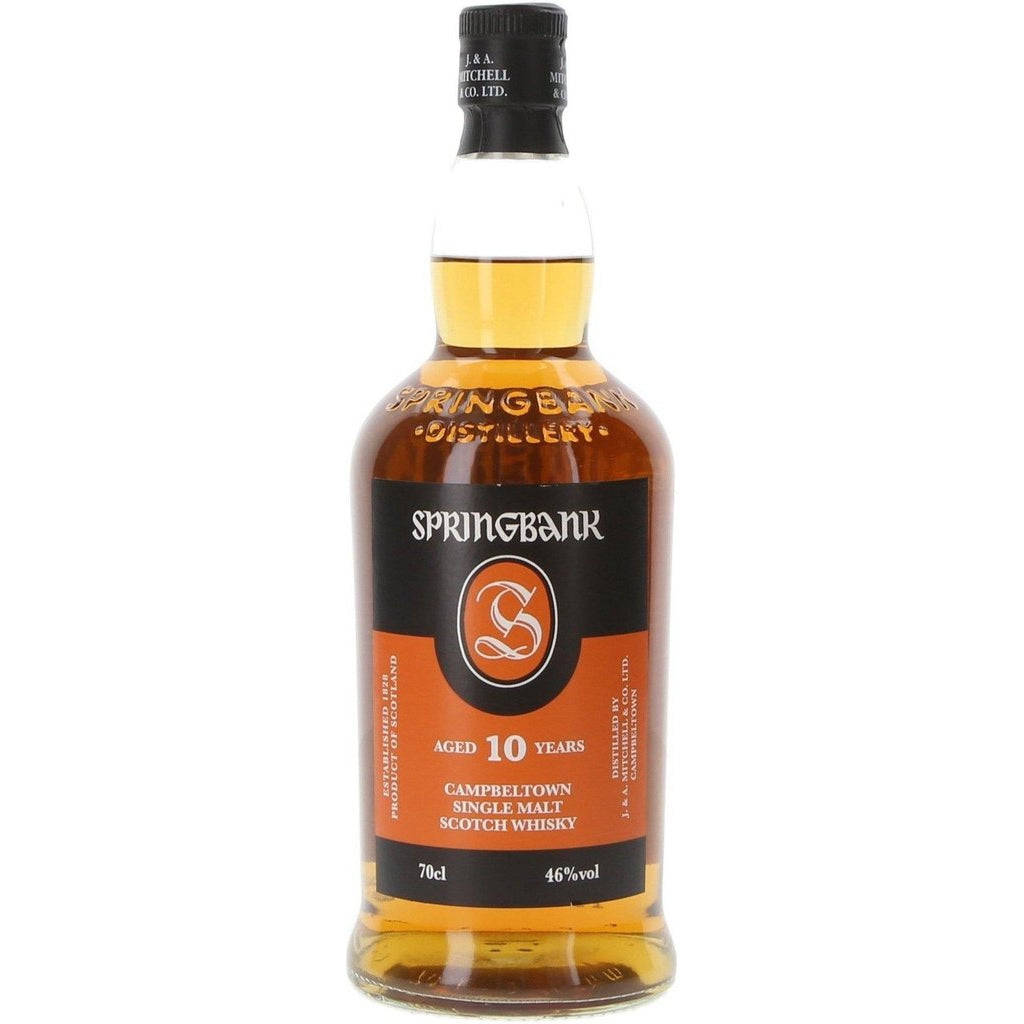
View this whisky
Visual guide to flavours and maturation
Even with excellent tasting technique, visualising maturation influences can make the decision process more efficient. Use this approach when you compare bottles or when you are choosing between cask styles such as bourbon cask, sherry cask, or wine-cask maturation.
For example, bourbon-cask profiles frequently present lighter vanilla sweetness, toasted grain, and dry oak spice. Sherry-cask influenced whiskies often show deeper dried fruit, warm spice, and nutty richness. Wine-cask finished expressions can bring a fruit-forward contour and aromatic lift. Peated styles can add smoke, ash-like notes, and a coastal air impression that some drinkers find energising, while others may find challenging.
If you prefer to explore broadly, you can compare styles by browsing curated whisky collections, including our finest Scotch whisky. When you use browsing with a tasting framework, you learn quickly and make better purchasing decisions.

Cask types illustrated as colour bands and aroma icons
Final thoughts and advice
Scottish single malt drinks reward patience. The best bottle for you is the one that consistently delivers the aroma profile and mouthfeel you enjoy, whether you drink it neat, with a small amount of water, or alongside food. Approach buying as a guided process: start with your preferred flavour families, use cask cues to narrow choices, then confirm fit through tasting notes and strength considerations.
When you are selecting for gifting, it is helpful to match the whisky to the recipient’s habits. If they enjoy sweet and dessert-like flavours, sherry-cask or bourbon-forward profiles are often well received. If they prefer savoury depth and complexity, look for richer maturation signals and structured tasting notes. For enthusiasts who value rarity, consider limited releases and independently bottled expressions where available.
Finally, remember that quality is not only about the label. Storage matters. Keep bottles upright, away from heat and direct sunlight, and allow the whisky to settle before serving if it has been moved. This preserves aroma integrity and supports the experience you expect from a premium single malt.
Q&A section
What is the main difference between single malt Scotch and other Scotch styles?
Single malt Scotch is produced at a single distillery from malted barley, giving a clearer distillery identity. Blended Scotch uses whisky from multiple sources, which is designed for consistency. Single malt often provides more distinct craft-led nuance, which can be an advantage when you want to explore flavour variety by region and cask selection.
How do I choose between bourbon-cask and sherry-cask influenced Scottish single malt drinks?
Use your preferred palate direction as the starting point. If you enjoy sweeter vanilla, toasted oak, and lighter fruit cues, bourbon-cask profiles may suit you. If you prefer richer dried fruit, warm spice, and deeper oak tannin structure, sherry-cask influences are commonly a better match. Taste notes and strength will still refine the decision, but this gives a practical baseline.
Are higher-strength bottlings more intense, and do they always taste better?
Higher strength often delivers more aroma and perceived texture, particularly because alcohol can carry volatile compounds. However, intensity is not the same as balance. Some drinkers find that standard strengths are smoother, while others enjoy the fuller body of higher-strength releases. The best choice depends on how you plan to drink the whisky.
What role does peat play in Scottish single malt drinks?
Peat influences aroma and flavour by contributing smoke and earthy characteristics during malting. Lightly peated styles can offer a gentle smoky edge alongside fruit and sweet oak notes. Heavily peated whiskies tend to display stronger smoke and ash-like elements that can dominate the palate. If you are sensitive to smoke, start with low-peat references and move gradually.
How can I improve results when tasting at home?
Use a suitable glass, pour a modest amount, and take time with aroma before the first sip. Consider adding water only if it aligns with your intended style and tasting plan. After each sip, pause briefly. This improves aroma recognition and makes it easier to compare bottles fairly.
Should I drink Scottish single malt drinks neat or with water?
Many drinkers begin neat to understand the base profile, then evaluate whether a small amount of water enhances aroma and smoothness. Water can open up citrus, cereal, and floral notes, and it may soften oak-driven sharpness. If a whisky already feels well integrated, neat serving can be the simplest option.
Where can I browse reliable options for Scottish single malt drinks?
You can browse by category and filter by style. A useful starting point is single malt Scotch whisky. For variety across maturation influences, explore additional collections on the site and shortlist bottles that align with your preferred aroma families.
About the Author
The Really Good Whisky Company is a specialist in curating distinctive whisky experiences for discerning drinkers. The team’s expertise focuses on production quality, cask-driven flavour, and helping customers select bottles that suit their palate. With a practical, knowledge-led approach, they translate tasting insights into clear buying guidance. Thank you for reading.
Disclaimer: This article is for general information and does not constitute professional advice. Drinking alcoholic beverages carries risks, and you should consume responsibly and in line with applicable law and guidelines.
0 comments